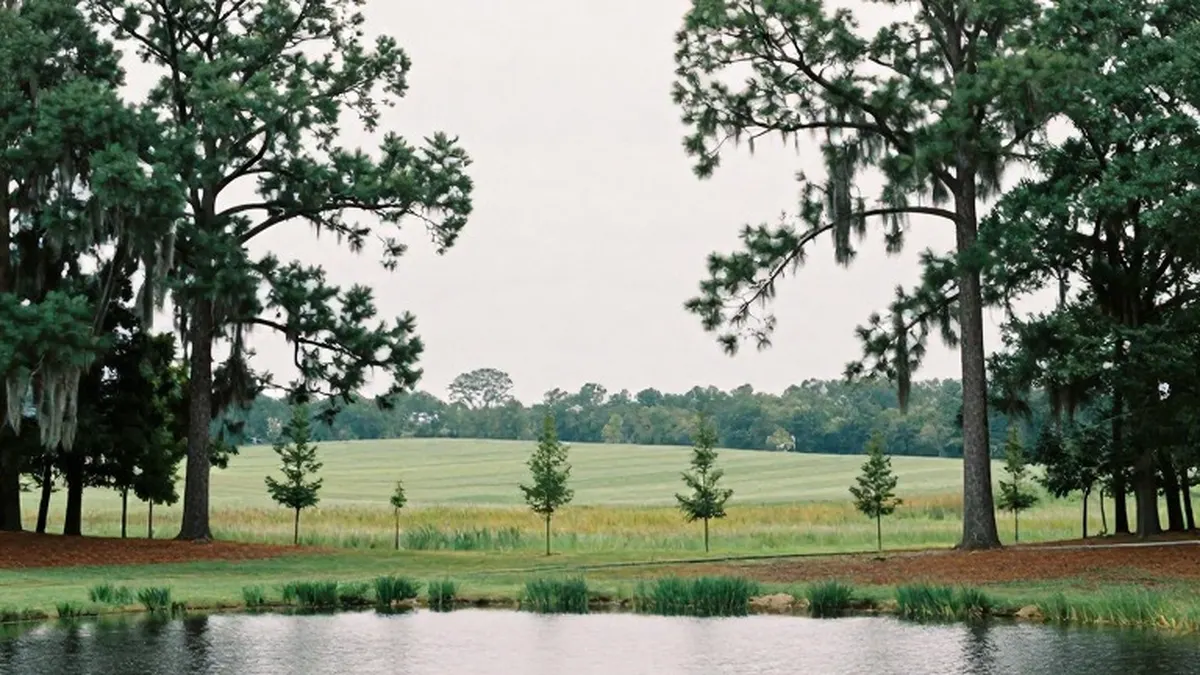
The family farm where former President Jimmy Carter grew up tending crops such as peanuts, corn, and sugarcane has been secured for preservation. The property, located just outside the town of Plains, Georgia, will be opened to the public for various recreational activities. This acquisition marks a significant step in protecting the historic land associated with the 39th president.
The Conservation Fund announced on Monday that it has completed the purchase of the farm as part of a larger 2,458-acre parcel, which covers approximately 995 hectares. According to reports from The Washington Post, the total purchase price for the land was $8.5 million. The group stated that the site holds deep personal significance for the Carter family, having been a place of exploration and retreat throughout the former president's life.
Carter spent his youth wandering the woods surrounding the farm and continued to return to the area as an adult. He often visited to walk with his wife, Rosalynn, and to engage in hunting. Rosalynn Carter passed away in 2023, while Jimmy Carter died in 2024 at the age of 100. In one of his final acts, Carter returned to the farm for a last fishing trip at its pond, underscoring his enduring connection to the land.
Jason Carter, a grandson of the former president, expressed the family's gratitude in a statement. He noted that the land represented more than just an agricultural property to them. Jason Carter described it as home, a place that his grandparents treasured, and thanked The Conservation Fund for its efforts to ensure the property is protected for future generations.
The Conservation Fund plans to make the farm accessible to the public for hunting, fishing, and other outdoor pursuits as early as next year. Following this period of public access, the group intends to transfer the land to the Georgia Department of Natural Resources. This transition is designed to integrate the property into the state's broader conservation and management framework.
At the request of Jimmy Carter, the family maintained a stand of mature longleaf pines on the property. One of his final decisions regarding the farm was to initiate a replanting effort with young longleaf pines across much of the site. This ecological initiative aligns the property with the goals of expanding Georgia's Lanahassee Creek Wildlife Management Area.
With the addition of the Carter farm, the Lanahassee Creek Wildlife Management Area is expected to grow to nearly 7,000 acres, or 2,833 hectares. The Conservation Fund highlighted that the replanting of pines makes the property a natural fit for this expansion. The area is already home to the Jimmy Carter National Historical Park, which includes his boyhood home, further emphasizing the region's historical and environmental importance.
Stacy Funderburke, vice president of the central Southeast region at The Conservation Fund, reflected on the personal history of the site. She noted that long before Carter was involved in protecting millions of acres across America, he was a boy working the fields and roaming the woods of southwest Georgia. Funderburke stated that this land helped shape his legacy and that the organization is honored to help ensure it remains a healthy habitat for wildlife while welcoming visitors.
The preservation of the farm ensures that the landscape where Carter spent formative years will remain intact. By combining public access with professional conservation management, the property is set to serve both the community and the local ecosystem. The upcoming opening will allow the public to experience the same environment that played a crucial role in the life of the former president.