Ukraine has put forward a new proposal for a ceasefire in the Black Sea, aiming to safeguard its agricultural exports against a backdrop of increasing attacks on shipping lanes and port facilities. Foreign Minister Andrii Sybiha revealed the initiative on Friday at the Food from Ukraine conference. He stated that Kyiv is prepared to restore freedom of navigation and guarantee the continuous flow of agricultural products to global markets.
Sybiha noted that all relevant proposals have been communicated to Moscow, and the Ukrainian side is now waiting for a response. While Russia has attempted to include oil transport in the scope of this specific maritime truce, Kyiv argues that energy logistics should be addressed within a broader energy ceasefire framework.
The Ukrainian minister criticized the Russian stance, accusing Moscow of frequently presenting unrealistic demands in reaction to Kyiv's offers. This assessment was reported by Suspilne, Ukraine's national broadcaster, highlighting the ongoing difficulty in reaching a consensus on the terms of a limited truce.
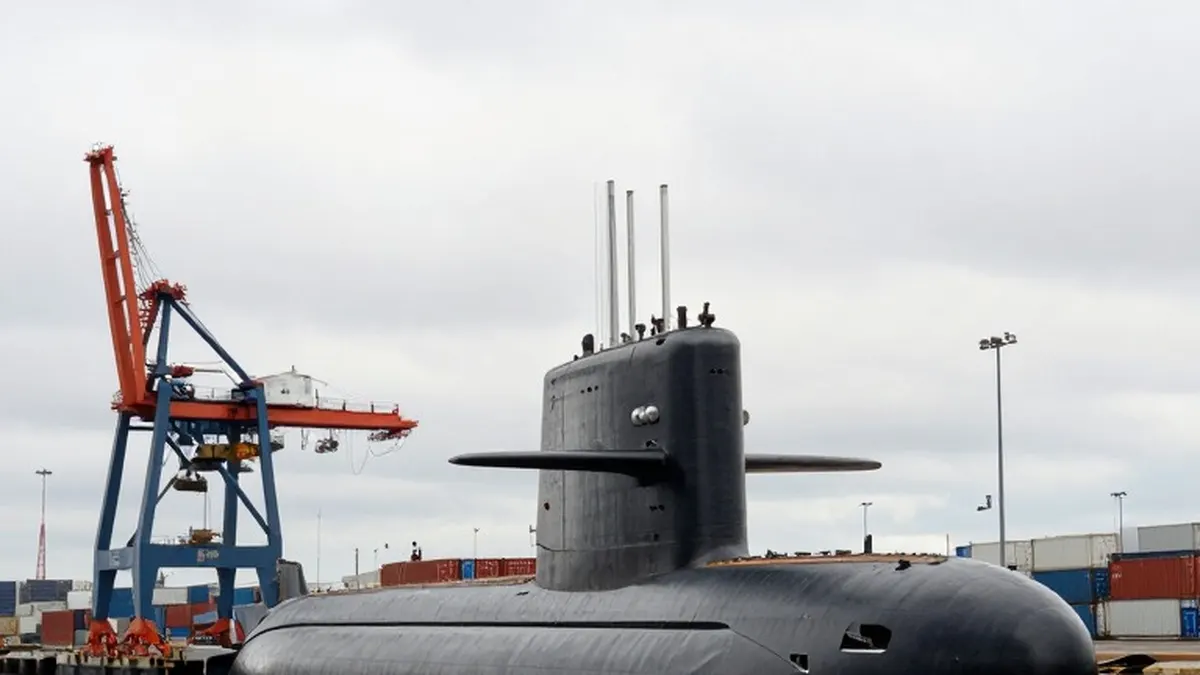
The diplomatic maneuvering coincided with Russian President Vladimir Putin attending a flag-raising ceremony for a new nuclear-powered submarine. Moscow asserts that this vessel is the first to be equipped with the Zircon hypersonic missile. During the event, Putin expressed confidence that the nation's plans to construct a formidable naval force would be completed on schedule and in full, according to Russian news agencies.
This latest initiative arrives at a time of heightened international worry regarding the safety of commercial vessels and the stability of global food supplies. Both Ukraine and Russia are significant agricultural exporters, and recent strikes on ships and infrastructure have significantly disrupted shipments moving through the Black Sea region.
A previous agreement brokered by the United Nations and Turkiye had allowed Ukrainian grain exports to resume after Russia launched its full-scale invasion in February 2022. However, Moscow pulled out of that arrangement in July 2023. In response, Kyiv established an alternative maritime corridor to continue exporting its produce.
Earlier in August, Reuters reported that Ukraine had sent a similar proposal through a third party, suggesting that both sides halt attacks on civilian targets in the Black Sea. At that time, Ukrainian grain exports had dropped by 76 percent compared to the previous year, as shipowners grew wary of ports in the Odesa region following repeated Russian strikes.
International efforts to secure a limited ceasefire have since gathered momentum. On October 31, US Secretary of State Marco Rubio announced that Washington was examining proposals from Turkiye and India designed to facilitate the uninterrupted movement of grain and energy shipments.
The diplomatic landscape is further complicated by Ukrainian President Volodymyr Zelenskyy's expressed frustrations with the approach of US President Donald Trump toward Moscow. In a Friday interview with the BBC, Zelenskyy criticized Trump for referring to Putin as my friend following their recent meeting in China. Zelenskyy remarked that it is strange to call an aggressor and a killer a friend, arguing that the two roles are mutually exclusive.
Zelenskyy also took issue with what he described as excessive neutrality from Washington in its dealings with Moscow. He argued that the United States should leverage its influence to pressure Russia into meaningful negotiations, stating that neutrality with an aggressor effectively supports both the victims and the aggressor. Following talks in Florida on Wednesday, NATO Secretary-General Mark Rutte called on Russia to avoid actions that could expand the war and urged for a peaceful resolution as soon as possible. Rutte emphasized that any future peace agreement or long-term ceasefire must include security guarantees for Ukraine.