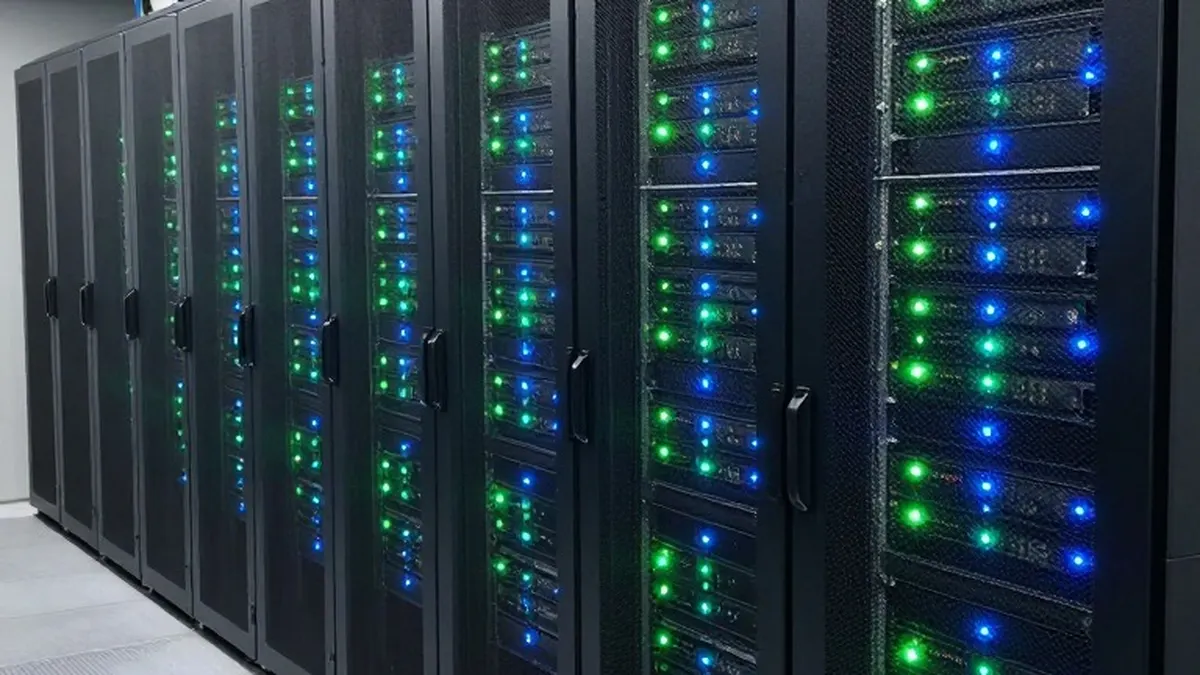
DataVita has revised the energy plans for a major artificial intelligence datacentre development in Lanarkshire, saying it will be supplied entirely by the National Grid after previously promising direct connections to renewable sources. The project near Glasgow is a key development in Britain’s AI strategy and was expected to bring 3,400 jobs to the area.
The company had announced that more than 1GW of renewable capacity, including wind, solar and battery storage, would reach the datacentres through private wire connections. That capacity is comparable to the output of a small nuclear reactor or Britain’s largest windfarm. When the Guardian questioned the commitment, DataVita said it depended on final commercial agreements, planning, grid arrangements and consenting processes.
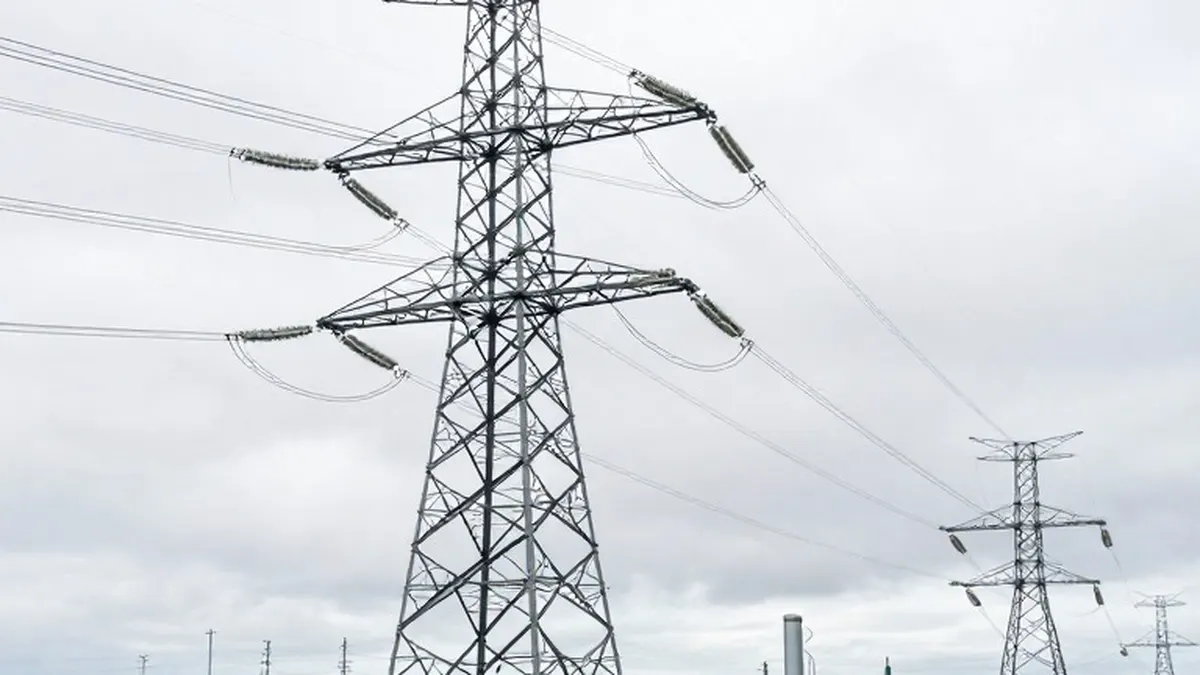
Its revised position describes the datacentres as fully supplied by the grid, while allowing for wind and solar farms to connect later. DataVita says much of the electricity it draws will be renewable and that it will obtain its grid supply through a renewable power purchase agreement. It has also proposed a wind and solar park in North Lanarkshire that could provide a future connection.
Responding to the Guardian, a company spokesperson rejected the suggestion that DataVita had misrepresented its earlier intentions. “Our commitment to renewable energy is unchanged,” the spokesperson said. The company continues to receive £202m in public backing through wealth guarantees from Britain’s national wealth fund. It says the development would transform the economy of Chapelhall, a village outside Airdrie.
The proposed 500MW datacentre forms part of a Lanarkshire AI growth zone. Under former prime minister Keir Starmer, the government’s strategy envisaged large datacentres in designated zones around Britain. Developers were to receive incentives that could include reduced energy costs and faster planning approvals.
However, Guardian investigations raised doubts about the foundations of several announced projects just over a year after the strategy was unveiled. Two major UK AI investments promoted by Starmer’s government face uncertainty over their ability to secure power or meet the electricity costs required. Datacentres for AI consume enormous amounts of energy, while British energy prices exceed those in most of Europe and developments face waits of years for grid connections.
Kat Jones, director of the Edinburgh-based charity Action to Protect Rural Scotland, criticised DataVita’s shift as representative of exaggerated claims by Scottish datacentre developers. She said hyperscale AI facilities could not operate on renewable power alone and needed a highly reliable grid supply. “It is not surprising that the goalposts have now changed,” she said.