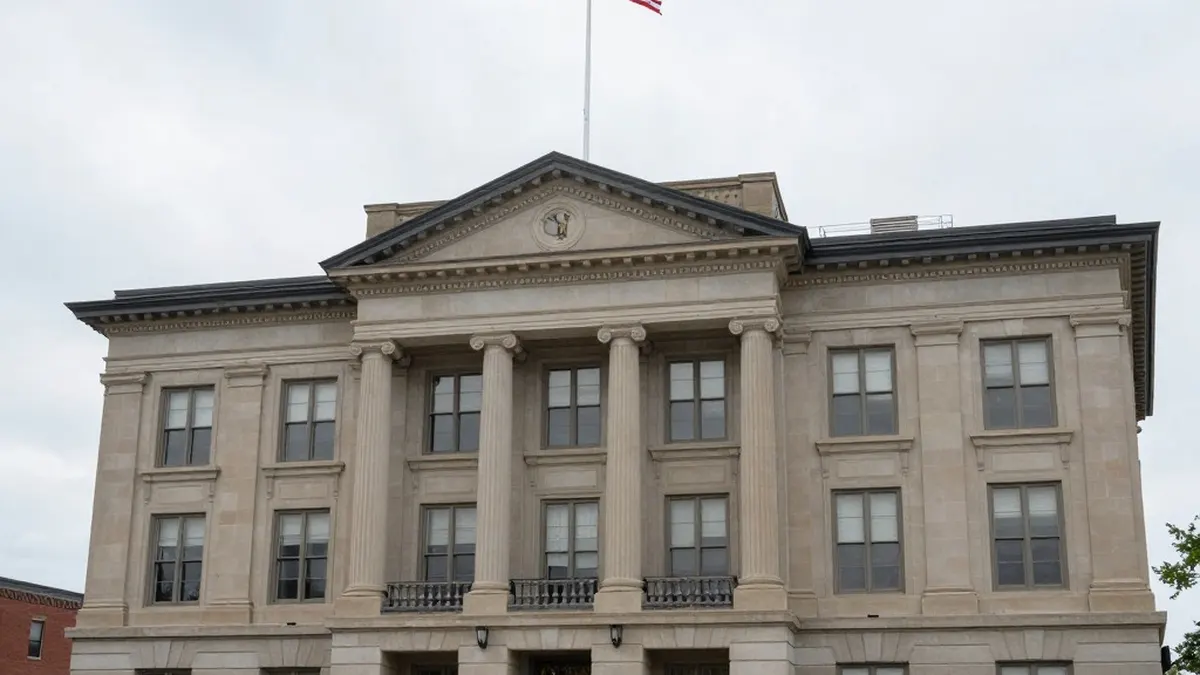
The National Capital Planning Commission approved President Donald Trump’s proposed triumphal arch in Washington, D.C., by an 8-4 vote late on Thursday. The decision marked a significant victory for the administration’s ongoing beautification initiatives in the nation’s capital. The commission held a nearly nine-hour session during which more than 100 members of the public spoke, with the majority expressing opposition to the project.
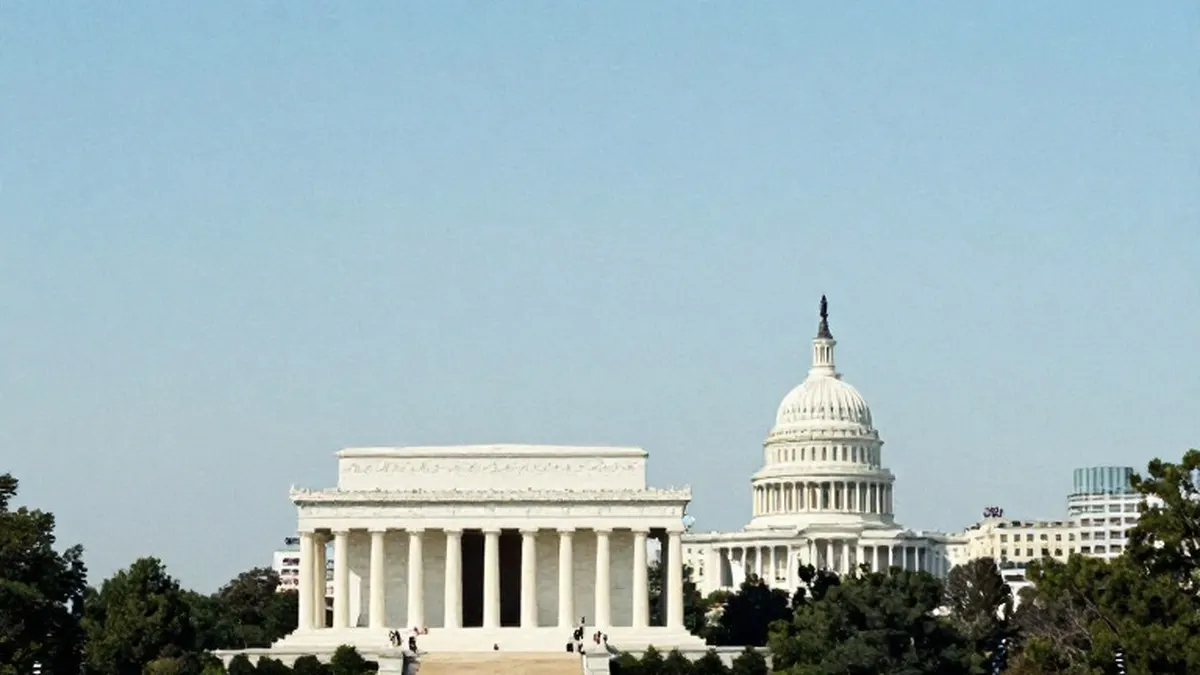
Despite the panel’s approval, the momentum was quickly interrupted by the judiciary. U.S. District Judge Tanya Chutkan issued a temporary restraining order late Thursday, halting the administration from breaking ground on the structure for 14 days. The judge determined that the states of Virginia and the District of Columbia had demonstrated that the immediate start of construction would cause substantial harm. The proposed arch is designed to stand between the Lincoln Memorial and Arlington National Cemetery.
Economic indicators released Friday morning showed a strong rebound in the labor market. The Bureau of Labor Statistics reported that the U.S. economy added 165,000 jobs in October, a figure that significantly surpassed analyst expectations. This positive data follows a disappointing report for September. The unemployment rate also edged down to 4.1 percent. This figure continues a trend of the rate remaining below 5 percent for more than five years, a stark contrast to the nearly 15 percent peak observed during the early stages of the pandemic.
In the Senate, the race for control remains tight in two key states. In Mississippi, Democrat Scott Colom holds a narrow lead over incumbent Republican Senator Cindy Hyde-Smith as of Friday morning. In Alaska, former Representative Mary Peltola is maintaining her position against incumbent Senator Dan Sullivan. These close contests may require additional time to finalize official results.
President Trump has scheduled policy meetings for the day before departing for Florida for the weekend. He is expected to deliver remarks on Friday evening at an event held at the John F. Kennedy Space Center in Cape Canaveral.
The political landscape is also shifting regarding future leadership. Senate Democratic Leader Chuck Schumer stated that Democrats intend to block any conservative judicial appointments by President Trump once they assume control of the Senate. Schumer told The Associated Press that the party will not allow a right-winger to join the court. This stance could increase pressure on conservative Justices Samuel Alito and Clarence Thomas to consider retiring this year.
Incoming freshman Democrat Sen.-elect Annie Andrews, who secured a surprise victory in South Carolina by defeating Darline Graham, is calling for a generational change in Senate leadership. Andrews suggested to Fox News anchor Bret Baier that it is time for new leadership on both sides of the aisle, a remark that appears to target Schumer, who turns 76 later this month. Andrews is part of a group of new Democratic members who pledged not to support Schumer for another term.
On the Republican side, the 2028 primary race is beginning to define itself following the party’s significant midterm losses. Vice President Vance has faced criticism for attributing the defeat to the Iran war and other factors. This opening has allowed figures such as Florida Governor Ron DeSantis and Senator Ted Cruz of Texas to position themselves as potential challengers to Vance in the future.
House Republicans are currently divided on their path forward after their election results. Speaker Mike Johnson informed staff on Wednesday that he would not run for the position of minority leader. This move has set the stage for a competitive race between House Majority Leader Steve Scalise and Judiciary Committee Chair Jim Jordan. Meanwhile, House Majority Whip Tom Emmer and Conference Chair Lisa McClain are seeking to keep their current roles as the party transitions to the minority.
In Texas, state Representative Steve Toth is projected to defeat Democrat Shaun Finnie in the state’s red 2nd District. Toth, who won the Republican primary in March against Dan Crenshaw, is expected to secure victory with approximately 51 percent of the vote compared to Finnie’s 49 percent. The district includes portions of Harris and Montgomery counties.