The US Navy has removed a string of senior officers from their posts without its customary public announcements, drawing sharp criticism from lawmakers at a time of heightened security concerns at American military installations and rising tensions with Iran.
Among those removed was the leadership team of the nuclear-powered attack submarine USS South Dakota. The vessel's commander, second-in-command and senior enlisted sailor were all relieved of their duties in October after the submarine reportedly struck something on the seabed.
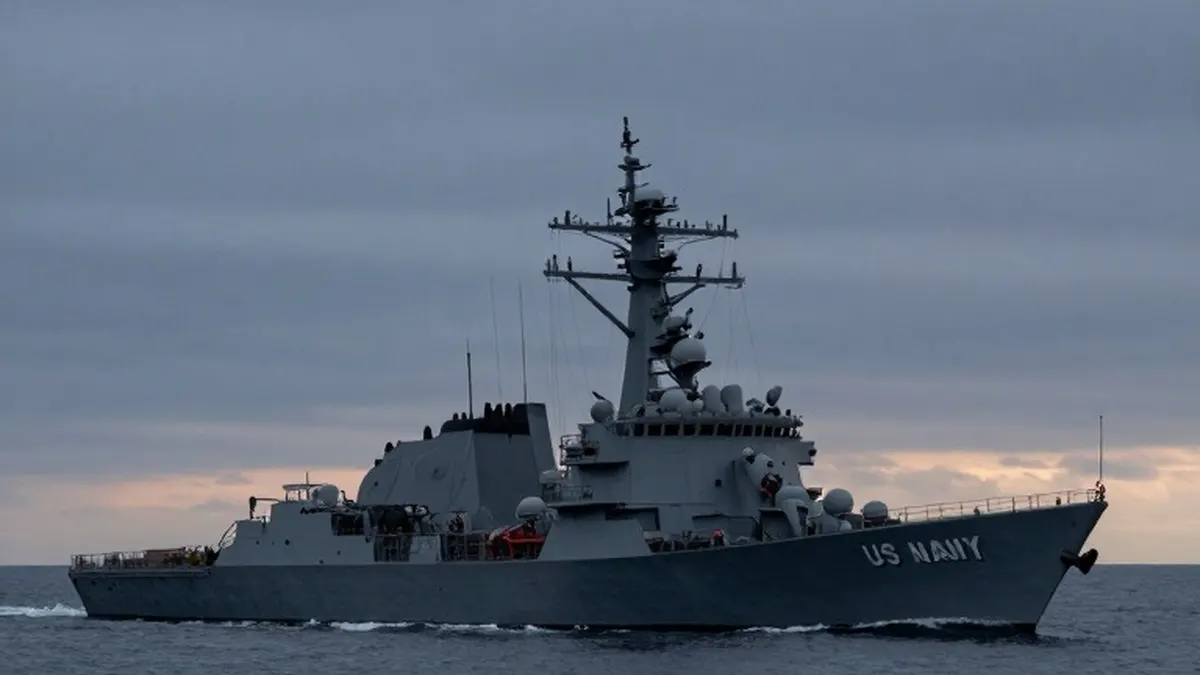
The Navy also dismissed Commander Caitlin Cunningham from command of the destroyer USS Michael Murphy on 27 September, citing a "loss of confidence", according to a defence official. The ship had been deployed to support operations against Iran.
Admiral Brian Monahan, who spent nearly 18 years as attending physician to Congress and the Supreme Court, is also reported to have left his position amid an investigation.
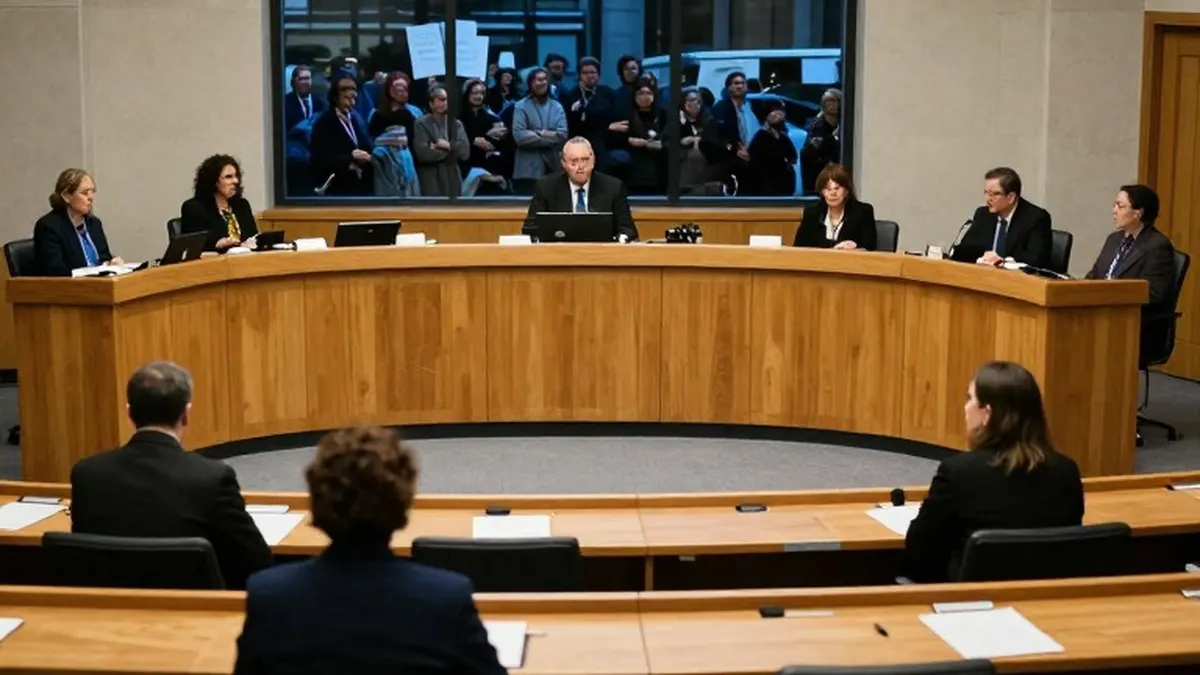
Democratic Representatives Joe Courtney and Adam Smith said the Navy failed to notify the House Armed Services Committee about the dismissals. In a letter to acting Navy Secretary Hung Cao and the service's top uniformed officer, Admiral Daryl Caudle, they voiced "deep frustration" over the lack of communication. "As a result of the Navy's failure to communicate, what should have been a standard exercise in information sharing has instead raised questions about the Navy's commitment to transparency and its commitment to a productive working relationship with Congress," the lawmakers wrote.
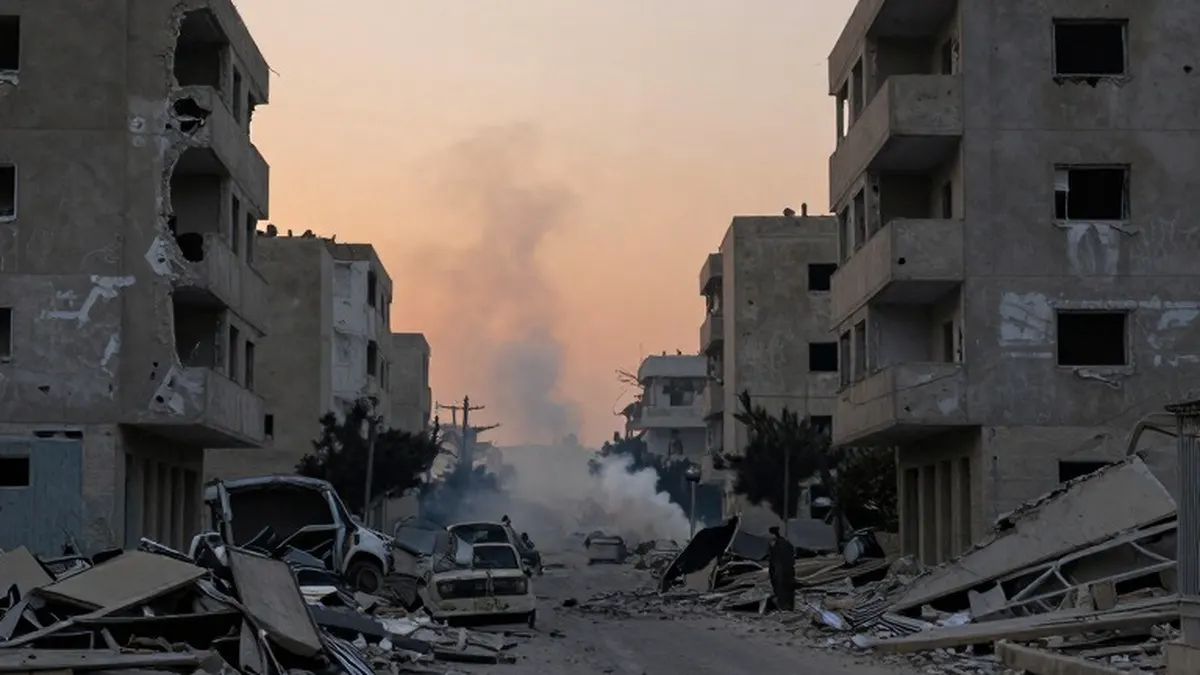
The absence of public disclosure has also renewed scrutiny of how the US military handles information about the war on Iran. The Associated Press has reported that restrictions on satellite imagery and limited official statements delayed public understanding of the damage to 26 US military bases and other sites in the region following Iranian strikes.
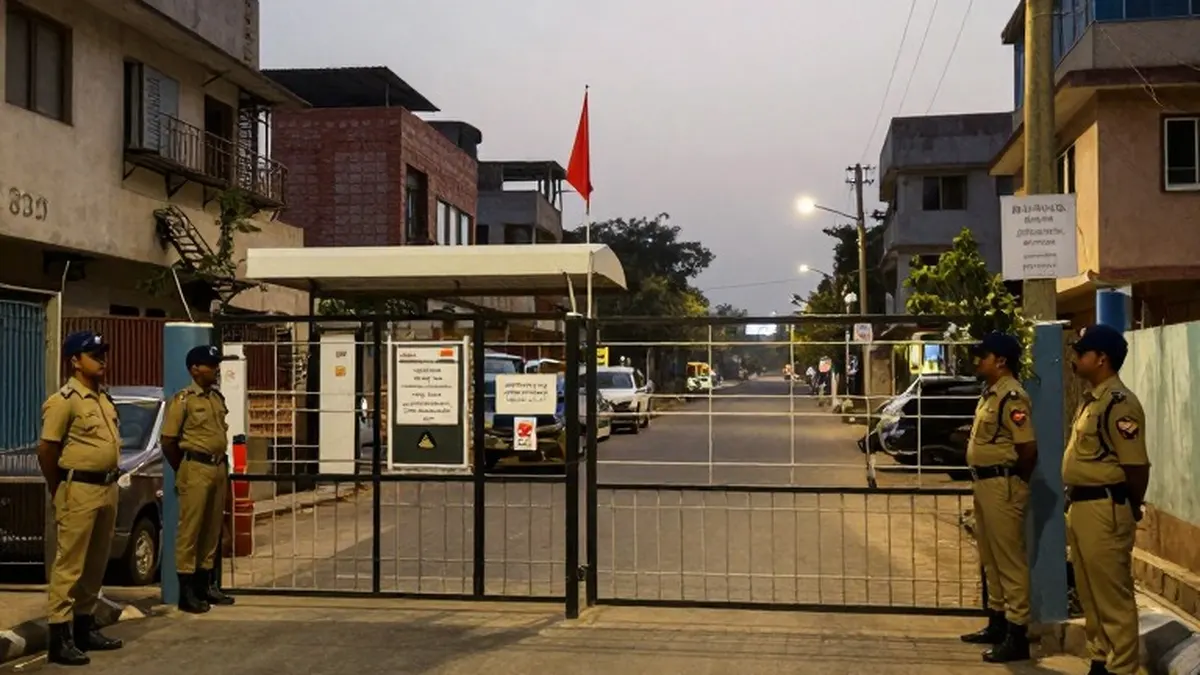
The developments come as the US Air Force responded to suspected drone activity over RAF Lakenheath, a major US-operated airbase in eastern England, on Friday evening. The incident prompted a security response, but no personnel, aircraft or infrastructure were affected, according to the Air Force.
Against this backdrop, Israeli Prime Minister Benjamin Netanyahu has reportedly been pressing President Donald Trump to resume military action against Iran. Mossad chief Roman Gofman was in Washington on Friday for scheduled talks with CIA Director John Ratcliffe and is also expected to meet White House envoy Steve Witkoff in Miami, according to Axios.
Trump has so far favoured maintaining economic pressure and a naval blockade, although he has not ruled out further strikes. On Thursday, he said the United States did not need an agreement with Tehran and redirected Vice President JD Vance, who had played a central role in negotiations, towards domestic political issues. "We don't need a deal with Iran. Those days have long since passed!" Trump wrote on Truth Social.
Iran, meanwhile, told the International Atomic Energy Agency that discussions on restoring nuclear monitoring could not proceed while it faced threats of further military attacks, particularly against its nuclear facilities.