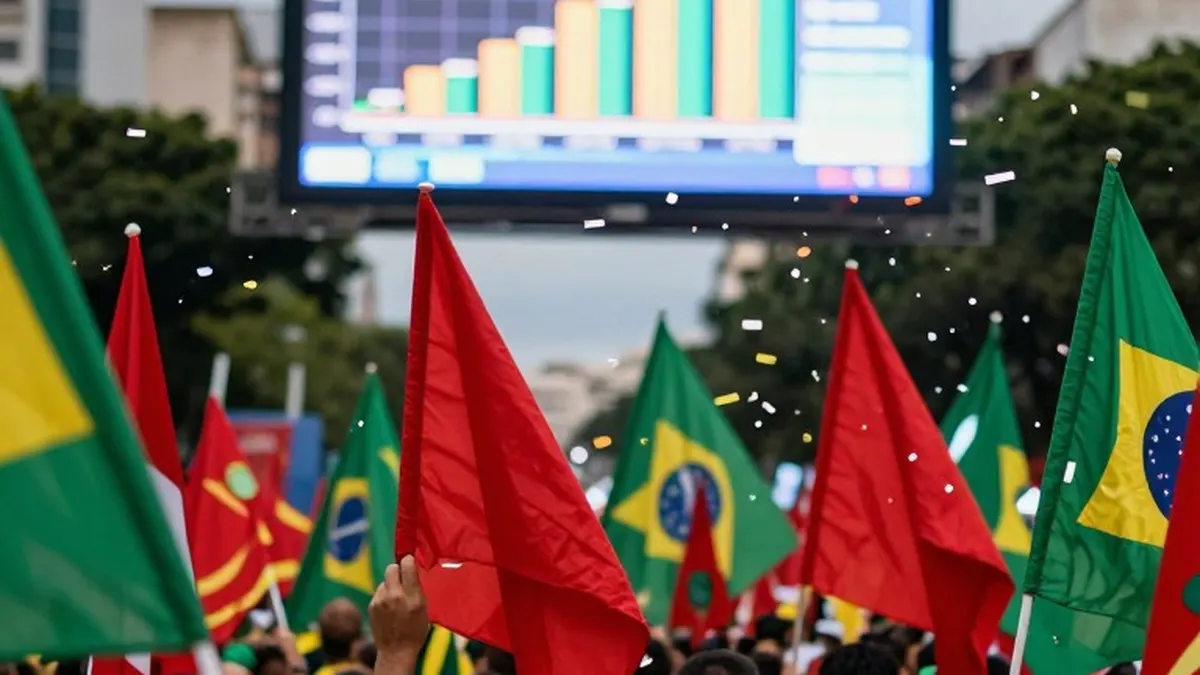
Luiz Inácio Lula da Silva was reelected president of Brazil in a runoff vote held on Sunday, an upset that prediction markets had not foreseen. According to the country's Superior Electoral Court, Lula beat Flávio Bolsonaro, the right-wing candidate and son of former president Jair Bolsonaro, by 51.8% to 48.2%.
Lula was still seen as a significant underdog on prediction markets as late as Sunday afternoon. Even shortly after 8:30 p.m. ET on Sunday, his odds stood at 21% on Kalshi.
Bolsonaro's chances on those platforms had jumped after the first round of voting on Oct. 4. Both Kalshi and Polymarket gave him better than an 80% chance of unseating Lula. The Kalshi contract asked, "Brazil Presidential election winner?" and was verified by Associated Press reporting.
The result adds to a debate over how reliable such markets are. Kalshi co-founder and CEO Tarek Mansour has defended the company's election contracts in the past. In August, Kalshi showed a 95% likelihood that Wisconsin Democratic socialist Francesca Hong would win the Democratic gubernatorial primary over Milwaukee County executive David Crowley. Hong lost by less than 1 percentage point.
"Before the 'prediction markets got it wrong' headlines roll in: a 5% probability doesn't mean it won't happen," Mansour wrote in an Aug. 12 post on X. "It means it should happen 1 in 20 times. If 5% candidates never won, the markets would be broken."
Odds and prediction market platforms do not rely on the methods used in traditional political polling, so they are not a substitute for polls. In Brazil's case, the two diverged sharply. While the markets pointed to a clear Bolsonaro win, political polls in the days before the vote showed a tight race.
The election's aftermath may not be settled. Brazil's Supreme Court extended voting by two hours late on Sunday, a move Bolsonaro argued hurt his chances of winning the presidency. Reuters reported that Bolsonaro is expected to challenge the outcome.
Financial markets reacted sharply on Monday. Brazil-linked stocks and exchange-traded funds slid, with the iShares MSCI Brazil ETF (EWZ) shedding 22%. U.S.-traded shares of Itau Unibanco fell 20%, and Banco Bradesco tanked nearly 30%. Brewer Ambev and Petrobras each declined by more than 15%.
CNBC, the original outlet for this report, disclosed that it has a commercial relationship with Kalshi that includes customer acquisition and a minority investment.