David Jones, widely recognized as Australia's oldest department store chain, has entered voluntary administration. This move places the employment of approximately 6,000 staff members at risk and marks a significant turning point for the 188-year-old retailer, known locally as DJs. The decision follows years of financial difficulties as the company grapples with a changing retail landscape where customers increasingly favor online shopping over traditional brick-and-mortar stores.
According to the voluntary administrators, McGrathNicol, both the physical and online stores of the retailer will continue to operate while the company undergoes review. Receivers from FTI Consulting have been appointed to oversee the process. Erica Berthold, the CEO of David Jones, described the company as iconic, noting that many Australians hold fond memories and personal stories related to visiting the stores. She stated that the brand has a well-developed plan to reset the business for the future and thanked customers, team members, and partners for their continued support during this challenging period.
The retailer currently operates 38 physical stores, 17 of which are located within Westfield shopping centers. Tensions between the landlord and tenant had risen just hours before the board voted to place the company into administration. Scentre, the owner of Westfield, announced that David Jones had not paid rent for October, thereby placing the retailer in breach of its tenancy agreement.
Christopher Hill, a representative from the receivers FTI Consulting, identified several factors that contributed to the company's current situation. He cited the challenging retail trading environment, rising operational costs, a significant but outdated retail footprint, and supply chain issues. Hill explained that the appointment of administrators and receivers provides the company with breathing space, offering a crucial opportunity to restructure its operations and financial standing.
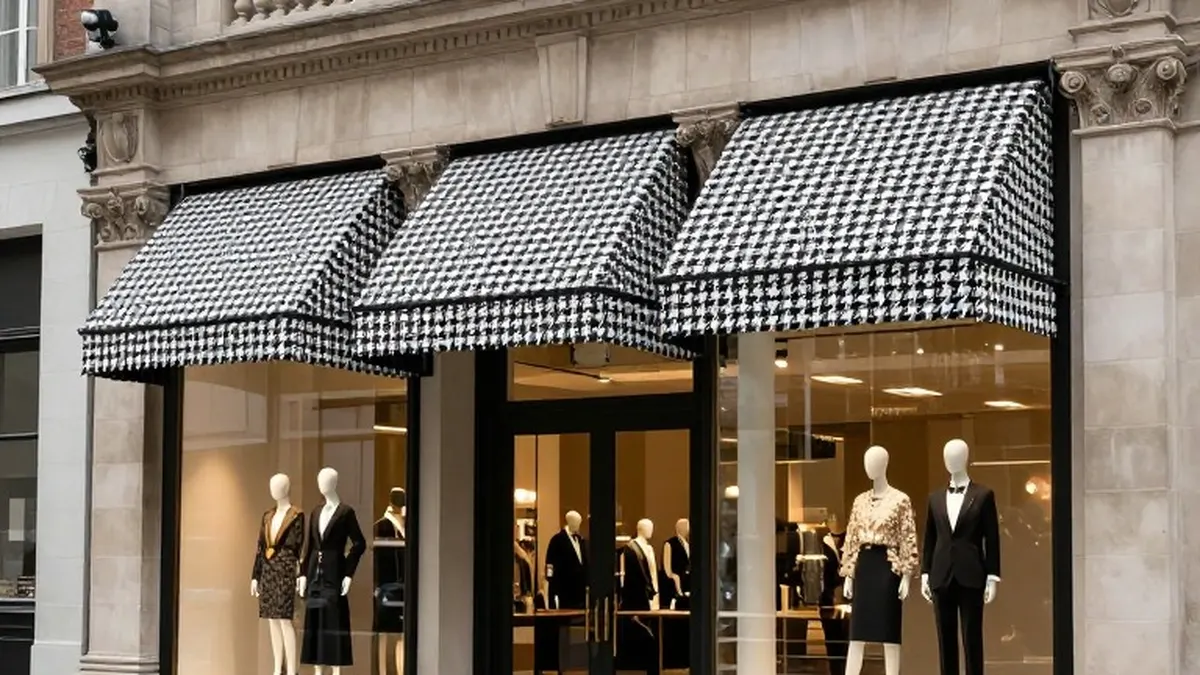
For a long period, David Jones and its distinctive black-and-white houndstooth branding were synonymous with luxury in Australia. However, industry experts view the company's collapse as a signal of the decline of the traditional department store format. Jana Bowden, a marketing lecturer at Macquarie University's Business School, described the event as the death knell for this specific retail model. She noted that the stores were once considered the epitome of glamour shopping, often compared to Harrods in the UK, where shoppers could experience premium luxury labels and a sense of exclusivity.
Historically, visiting the flagship stores in Sydney and Melbourne was a cultural ritual for many Australian families. The festive Christmas window displays in particular drew crowds, with people traveling from hours away to experience the seasonal magic. Bowden observed that while the city stores maintained their high-end image, the suburban locations had lost their appeal, appearing mundane and lacking the excitement and glitz that defined the brand's earlier era.
The history of David Jones in Australia dates back to the mid-19th century, embedding itself deeply into the nation's cultural fabric. One notable historical moment occurred in 1954, when Queen Elizabeth II, then 27 years old, attended a banquet dinner on the seventh floor of the Elizabeth Street store during her first visit to Sydney. This event, reported by the Sydney Morning Herald, highlighted the prestige associated with the retailer during the mid-20th century.
As the administration process moves forward, the focus will be on determining the best path for the business, whether through restructuring, asset sales, or other strategic measures. The outcome will provide insight into the broader resilience of traditional department stores in an era dominated by digital commerce.