Mexican military officials announced on Saturday that special forces have successfully captured a prominent drug kingpin who appeared on the Federal Bureau of Investigation's Top 10 Most Wanted List. The operation took place in the state of Sinaloa, where subsequent violence has caused significant concern among local residents.
The suspect is Fausto Isidro Meza-Flores, widely known by the alias El Chapo Isidro. He is alleged to be the head of the Meza-Flores Transnational Criminal Organization. The FBI has characterized this group as a heavily armed and major drug-trafficking network headquartered in Sinaloa. According to federal descriptions, the cartel controls the production, transportation, and distribution of narcotics throughout Mexico.
U.S. authorities allege that the organization is responsible for the possession, distribution, and importation of heroin, methamphetamine, cocaine, fentanyl, and marijuana into the United States. Meza-Flores was first indicted in 2012 and faced a second indictment in 2019. His charges include multiple counts of drug-trafficking violations as well as the use and possession of firearms. The FBI has noted that he is armed and dangerous, and U.S. authorities previously offered a reward of up to $5 million for information leading to his arrest.
The Mexican National Defense Secretariat revealed that Meza-Flores and two other leaders of the organization were captured during a raid on Friday night. Elite military agents located the targets and arrived in the area surreptitiously. They established perimeters around a residence to prevent escape while simultaneously defending the location against potential reinforcements that might have interrupted the mission.
During the operation, the arresting agents were met with gunfire and explosives. Despite the resistance, the agents entered the house and secured the three suspects. The group was subsequently evacuated to Mexico City and placed in custody. The military stated that the operation relied on intelligence provided by the Trump administration, though few specific details regarding the coordination between the two governments were released in the initial report.
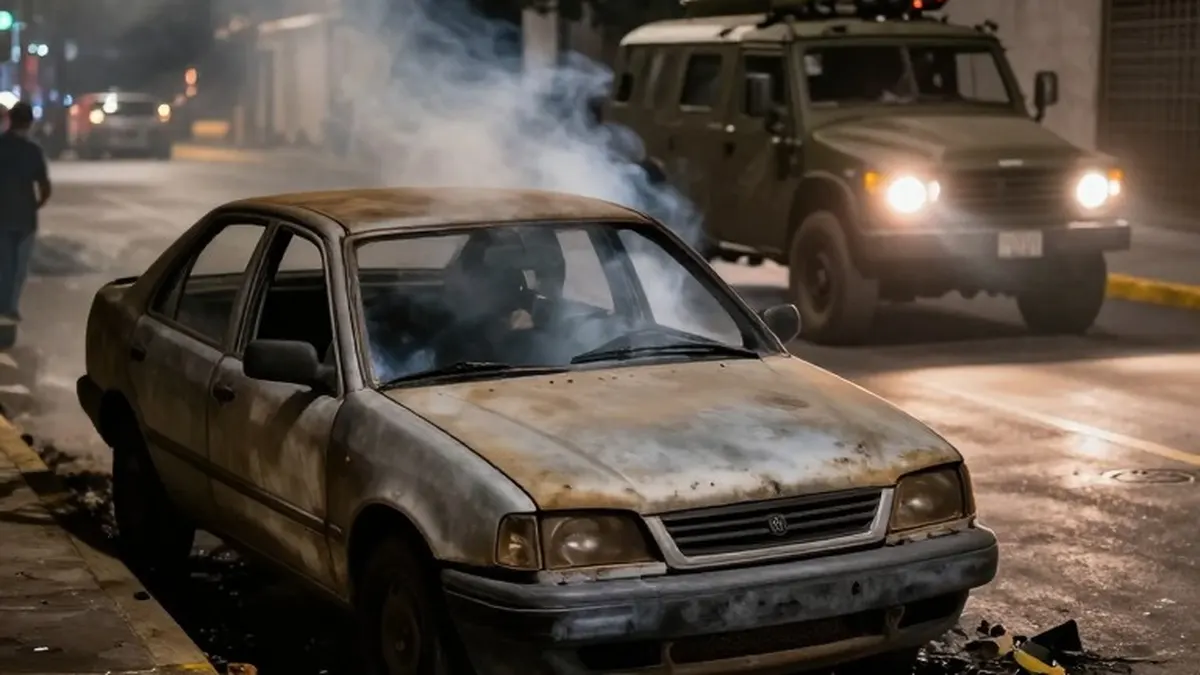
The aftermath of the capture brought chaos to the city of Guasave in Sinaloa. Videos and photos shared by witnesses depict screaming civilians fleeing from gunfire during a baseball game. Burnt vehicles were also seen in the area, indicating the intensity of the clashes that followed the military entry. The violence rattled the local community and highlighted the ongoing tensions in the region.
This arrest represents a significant development in the bilateral efforts to combat transnational crime. By removing a key leader from the Meza-Flores organization, authorities aim to disrupt the flow of narcotics into the United States. The capture underscores the continued reliance on joint intelligence sharing between Mexico and the U.S. to target high-value suspects.
As the situation in Sinaloa stabilizes, officials are expected to provide further details on the condition of the captured suspects and the broader implications for the drug trade. The event has drawn national attention to the strategies employed by special forces in high-risk environments and the tangible impact such operations have on local populations.