Mexican special forces have successfully detained Fausto Isidro Meza-Flores, a prominent alleged cartel leader known by the nickname Chapo Isidro. The arrest, announced by Mexico’s defense ministry on Saturday, marks a significant development in the ongoing efforts to dismantle transnational drug trafficking networks. Meza-Flores is currently listed on the FBI’s Ten Most Wanted Fugitives list, highlighting the high stakes of his capture.
The operation took place on Friday night in Guasave, a city located in the northwestern state of Sinaloa. Along with Meza-Flores, two other men were taken into custody. The timing of the arrest coincides with renewed pressure from US President Donald Trump on Mexican President Claudia Sheinbaum to intensify the fight against drug cartels. On Friday, Trump stated that the United States was collaborating closely with Sheinbaum because he believes the cartels have gained significant control over Mexico. He emphasized the urgency of the situation, noting that Mexico is a neighbor and that the cartels cannot be allowed to run the country.
Although he shares a nickname with Joaquin Guzman, the former leader of the Sinaloa Cartel who is currently in jail, Meza-Flores is not related to Guzman. Mexican authorities identify Meza-Flores as the head of the Beltran Leyva criminal organization. He is also considered an ally of the Mayos faction within the Sinaloa Cartel. The Mexican Secretariat of National Defence reported that he was subject to an arrest warrant in Mexico for organized crime and drug offenses. Additionally, an extradition order for the United States was in effect for his case.
US prosecutors first indicted Meza-Flores in 2012. A subsequent indictment in 2019 charged him with conspiring to manufacture and distribute cocaine, heroin, methamphetamine, and marijuana for the US market during the period between 2005 and 2019. He also faces charges related to firearms. In February 2025, the FBI added him to its list of most wanted fugitives. At that time, the US Department of State offered a reward of up to five million dollars for information leading to his arrest and conviction.
Brian Driscoll, who was the acting FBI Director when the list was updated, described Meza-Flores as a figure who spent two decades flooding the US with deadly drugs, including fentanyl, cocaine, and heroin. Driscoll noted that Meza-Flores operated first as an independent trafficker and later as the head of the Meza-Flores cartel. The announcement also highlighted accusations that Meza-Flores and his organization were involved in kidnapping, extortion, torture, and murder.
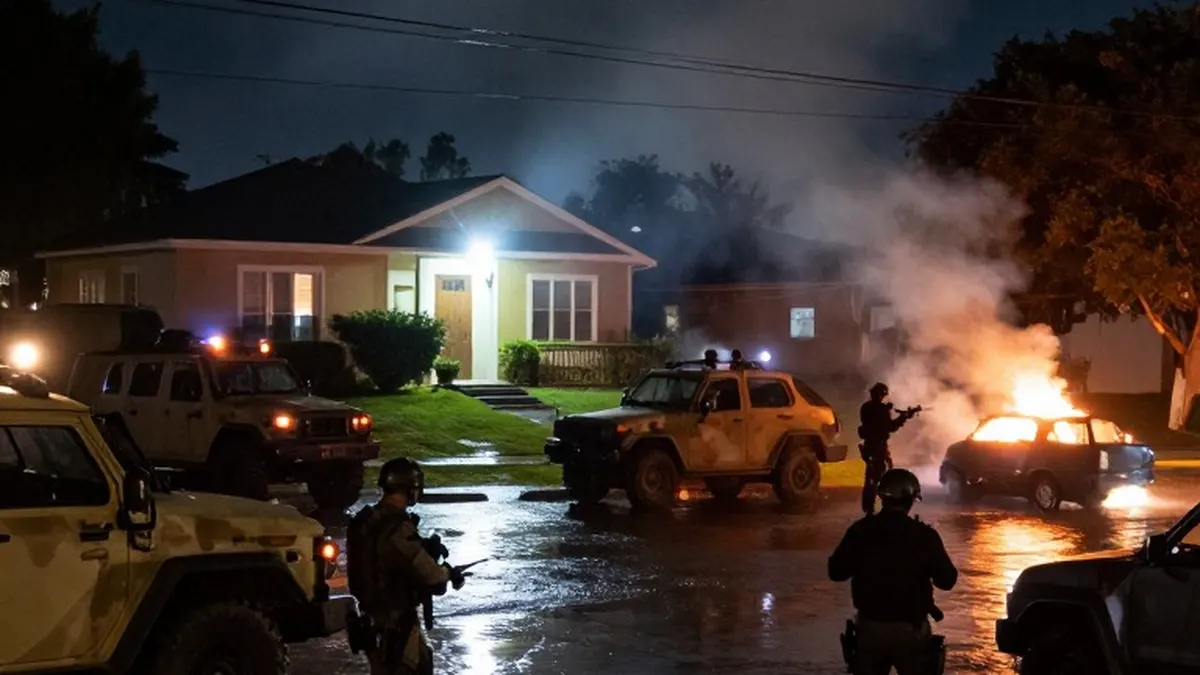
According to the defense ministry, the arrest operation was the result of coordination between Mexican and US intelligence agencies. Special forces from Mexico’s National Guard and the army executed the plan. Troops used stealth and surprise to establish a security perimeter around a house in Guasave. During the operation, the forces came under attack with gunfire and explosives before they were able to enter the residence and detain the three men.
The ministry identified the other two detainees as German N, known as Serafin, who is alleged to be the second-in-command of the group, and Jose N, identified as a financial operator. The three men were transported by air to Mexico City, where they were handed over to prosecutors. Following the raid, Sinaloa’s public security agency urged residents to stay indoors, avoid the affected area, and remain off the roads due to the presence of federal personnel.
The aftermath of the arrest saw roadblocks reported in four different areas of Sinaloa. Security forces were dispatched to reopen the blocked roads. Videos captured from Guasave showed people fleeing gunfire near a baseball game, while cars and petrol stations were seen on fire, as reported by The Associated Press news agency. Omar Garcia Harfuch, Mexico’s security secretary, stated on Saturday that troops would remain in Sinaloa to protect residents. He described the detentions as an important step toward restoring peace in the region.
The capture of Meza-Flores is seen as a pivotal moment in the bilateral relationship between the US and Mexico regarding security cooperation. The operation underscores the continued intensity of the conflict in Sinaloa, a state long considered a stronghold for major drug trafficking organizations. As the legal proceedings move forward in Mexico City, the focus will likely remain on the extradition process and the broader implications for the drug trade in North America.