A significant scandal involving Jensen Huang, the founder of Nvidia, and a suspected Chinese spy based in Singapore has drawn intense attention to the city-state's position as a global hub for chip trading. On Thursday, Huang stepped down from the US chip giant after acknowledging a personal affair. The woman involved, identified as Alice Huang, was the head of Megaspeed, a Singaporean data centre firm that has been a substantial purchaser of Nvidia technology.
For decades, Singapore has worked to maintain a reputation as an open and business-friendly economy that provides easy access to both American and Chinese markets. The recent boom in artificial intelligence has solidified its status as a key node for high-end semiconductor trade. Last year, Singapore ranked as the second-largest billing centre for Nvidia globally, accounting for nearly a fifth of the company's revenue. However, less than one percent of these earnings came from chips that physically entered Singapore, as the island primarily serves as an ordering hub for Asian companies to ship goods elsewhere.
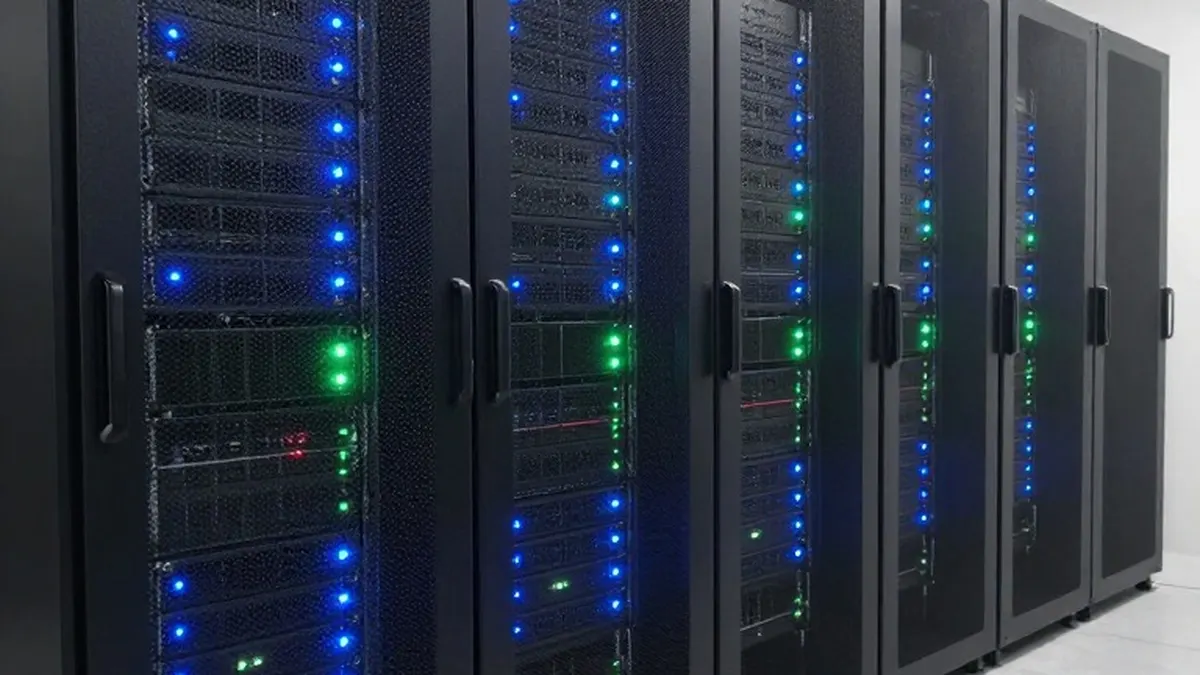
US officials have grown concerned since 2022 that countries like Singapore might be used by Chinese firms to circumvent export restrictions on advanced American semiconductors. Megaspeed is viewed as a prime example of this vulnerability. The firm became the largest buyer of Nvidia chips in Southeast Asia and is suspected of providing backdoor access to these components for Chinese companies through its data centres in Malaysia, Indonesia, and Thailand. While Singapore does not ban the transfer of advanced AI chips, such transactions can violate US export controls.
Singaporean authorities stated that they have been investigating Megaspeed and other firms since February 2025. The probe focuses on whether these companies made false declarations about data servers purchased and exported through the country. The firms claimed the equipment was destined for neighboring Malaysia, but authorities suspect the final locations were different. Singapore sought assistance from US officials to gather more information from Supermicro, a US-based supplier, but noted in a statement that they received limited help despite repeated requests.
Alice Huang was investigated for her potential role in the suspected fraud, though not for espionage. Authorities found insufficient evidence of a crime and allowed her to leave Singapore in February of this year after holding her passport for several months. Although Singapore has charged four companies and five individuals in related cases, including those linked to the DeepSeek procurement, no charges have yet been filed against Megaspeed or its associates. Both Singaporean and US investigations remain ongoing.
Reports from the New York Times indicated that US officials visited a Megaspeed-owned data centre in Malaysia in 2024 and found Nvidia technology still in its boxes. A separate report by Bloomberg suggested that Megaspeed imported 50,000 more chips than Nvidia could account for last year, though Nvidia later adjusted its figures after further warehouse inspections. Megaspeed has maintained its lawfulness and stated on Thursday that it welcomes government scrutiny and is committed to transparent cooperation with the US.
The case has raised questions about the authenticity of Megaspeed's Singaporean identity. The security analysis group C4ADS assessed that the company's setup fits the pattern of Singapore-washing, where Chinese entities use the city-state's neutral image to obscure their origins. Corporate records show that in 2019, Alice Huang sold a gaming company to the Chinese firm 7Road. In 2023, a 7Road subsidiary in Singapore named Huang as an executive director before changing its name to Megaspeed. C4ADS believes she remained in practical control of the firm even after transferring ownership.
This situation reinforces the diplomatic dilemma facing Singapore. Analysts note that while the country has historically enjoyed good relations with both superpowers, the current chip dispute makes this balancing act increasingly difficult. Singapore Prime Minister Lawrence Wong has insisted the nation is pro-Singapore rather than pro-China or pro-America. However, critics argue that by not taking a side, Singapore risks being viewed as complicit in either agenda, a challenge inherent to maintaining an open economy in a polarized world.