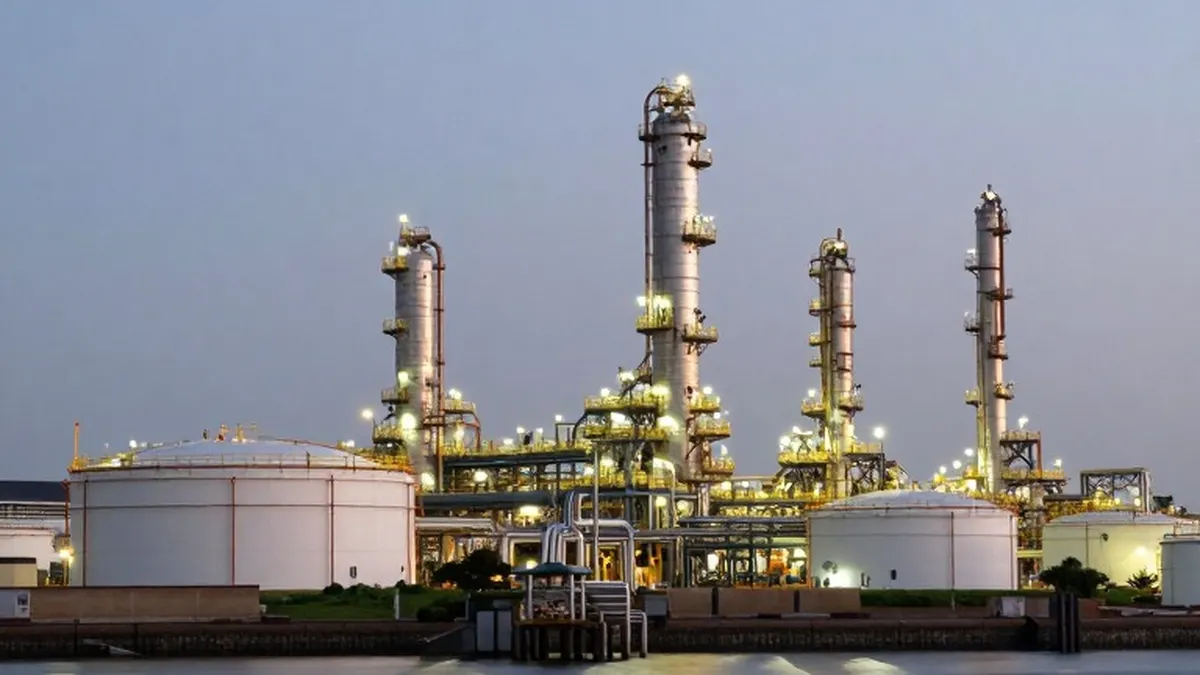
Saudi Arabia has significantly increased its crude oil output, reaching the highest levels seen since the supply disruptions caused by the conflict with Iran in February. An OPEC report released on Wednesday indicated that the world's largest oil exporter pumped 10.563 million barrels per day in October. This represents a substantial increase of over two million barrels per day compared to September figures.
The current production level is the highest recorded since the United States and Israel launched the war on Iran in late February. At that time, Saudi Arabia was producing 10.882 million barrels per day. The resurgence in output from both Saudi Arabia and Russia has contributed to a broader increase in production for the OPEC+ group, which includes OPEC members and other nations such as Russia.
According to the monthly report, OPEC+ pumped 41.23 million barrels per day in October, an increase of approximately 2.04 million barrels per day from the previous month. Russia's output rose after US President Donald Trump lifted sanctions on Russian energy and declared an energy ceasefire between Ukraine and Russia in mid-October.
Energy strategist Umud Shokri, a senior visiting fellow at George Mason University, noted that the increase in Saudi production could help alleviate inflationary pressures on American consumers. He explained that when more oil enters the global market, prices generally face downward pressure, which may eventually lead to lower costs for gasoline, transportation, and production in the United States. However, he cautioned that higher Saudi production does not guarantee immediate price drops at the pump.
US gasoline prices recently fell below four dollars per gallon for the first time in months. Despite this relief, concerns over the high cost of life continued to influence voters, contributing to the Democratic Party's strong performance in the recent US midterm elections. Inflation had spiked since February, when it stood at 2.9 percent, and reached a three-year high of 4.1 percent in May as energy prices surged during the conflict.
The conflict had closed off roughly one-fifth of global oil supplies transiting through the Strait of Hormuz. While other producers, including the United States, have regained their supply positions, the OPEC report noted a sharp decline in crude imports by Japan in September due to renewed trade disruptions. Data from secondary sources suggests that Gulf producers are using workarounds, such as ship-to-ship transfers, to bypass conflict-related disruptions.
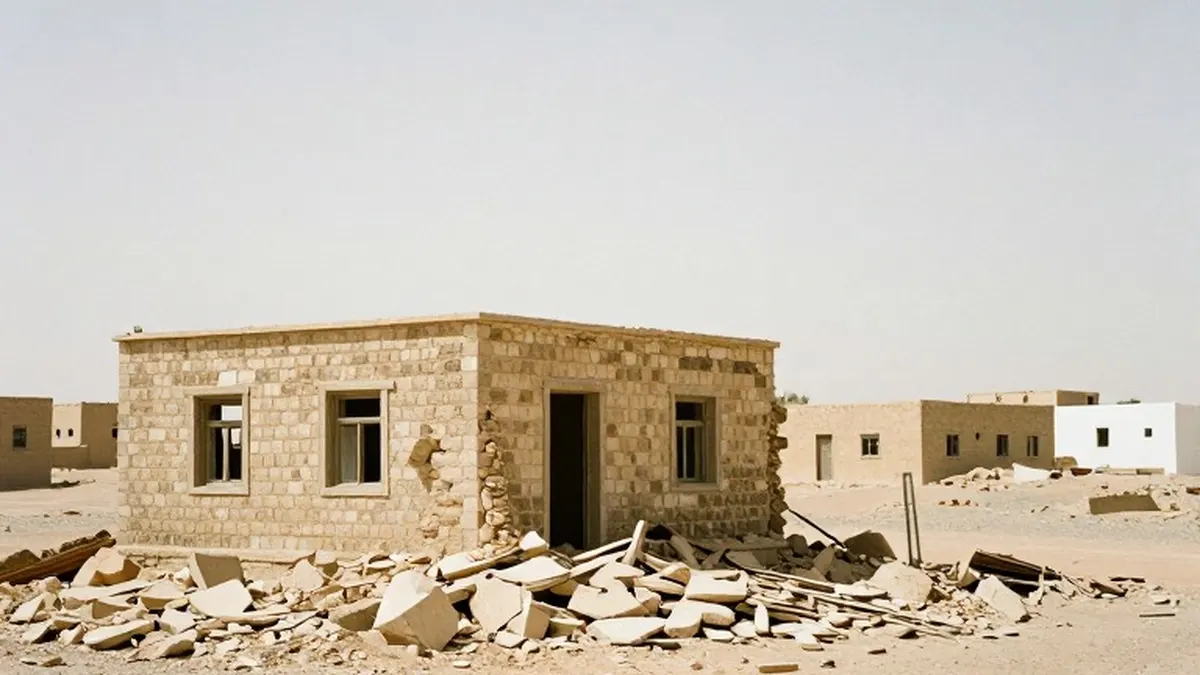
The report highlighted that the UAE regained its position as the top supplier to Japan in September, capturing a 49 percent share, up from 25 percent the previous month. The United States followed with a 28 percent share, while Saudi Arabia held 14 percent. Saudi Arabia's exports have remained stable despite attacks on its East-West Pipeline by Houthi rebels in Yemen, who are fighting the Saudi-backed government in Aden.
Shokri explained that Saudi Arabia has been able to recover exports partly because its East-West Pipeline allows crude to move to the Red Sea port of Yanbu without passing through the Strait of Hormuz. The UAE holds a similar advantage with its pipeline to Fujairah, which is located outside the strait. He warned that Gulf countries are learning the costs of relying on a single maritime chokepoint and are seeking to make their exports more resilient, though Hormuz remains critical to the global energy market.
OPEC+ output in October was equivalent to 97 percent of the 42.72 million barrels per day produced in February. The group left its forecasts for global oil demand growth unchanged after six consecutive months of cuts and maintained its 2027 outlook. It expects global demand to rise by 2.55 million barrels per day next year to an average of 108.3 million barrels per day, with growth of 180,000 barrels per day in 2026.
The report also predicted that Qatar, Canada, Brazil, and Argentina will drive growth in energy-related liquids production in 2027. It offered an optimistic view of the Middle East's economic performance, stating that the region's economy is expected to rebound in 2027, supported by a resilient non-oil sector and robust domestic demand.