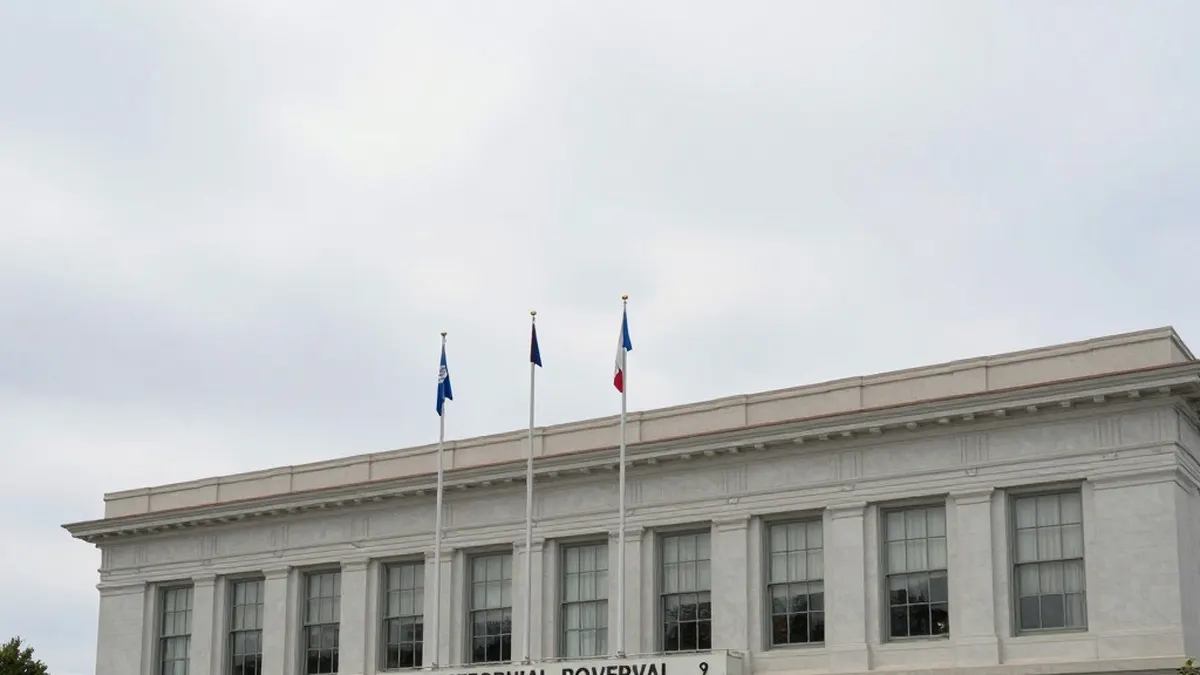
Educators from across Illinois have gathered at the State Capitol in Springfield to urge lawmakers to provide the full funding that public schools are owed under state law. The group is participating in Lobby Day during the General Assembly's fall veto session, aiming to secure immediate financial resources rather than long-term promises. The central issue is the significant gap between the resources the state calculates schools need and the funds actually provided.
Pankaj Sharma, secretary-treasurer of the Illinois Federation of Teachers, highlighted the disparity in resources available to different districts. In Skokie, two neighboring school districts have vastly different funding levels. District 69 operates with approximately 69% of the resources required for adequate education, while the adjacent District 68 has about 106%. This contrast illustrates how geography and local wealth can impact educational opportunities, even in communities that appear similar on the surface.
Statewide, the funding gap has widened significantly. About half of Illinois public school students come from low-income households, and roughly three-quarters attend districts receiving less than 90% of the necessary resources. The statewide shortfall has reached approximately $7 billion, an increase of more than $1 billion from the previous year. Of the 936 school districts and organizational units in the state, 714 moved further from adequate funding in the last year.
The evidence-based funding formula was created in 2017 to ensure children receive the education necessary for their future. The state established a 10-year plan to adequately fund schools, but it is not on track to meet that obligation for another 14 years. Sharma noted that this timeline is too long for students who need immediate support for learning English or navigating disabilities.
The lack of funding has tangible effects on school operations. When funds are diverted to other projects, schools lose paraprofessionals who assist students with disabilities and English learners. Before- and after-school programs are also reduced, forcing teachers to manage larger groups of students who need individual attention. Parents often have to find alternative ways to care for their children while working.
Specific districts are facing severe budget deficits due to these shortfalls. Rockford eliminated more than 100 positions to address a $15 million deficit. Freeport cut staff and removed a bus route serving about 60 students. In Springfield, lower-than-expected state transportation reimbursements added nearly $3 million to the district's deficit.
While the state continues to approve annual increases of $350 million in evidence-based funding, educators argue this amount is insufficient to close the growing gap. Sharma pointed out that lawmakers are preparing legislation that could allow the Chicago Bears to build a new stadium without paying property taxes. Meanwhile, homeowners are being asked to pay more to support local schools. In Indian Prairie School District 204, officials proposed a 2.7% property tax increase because state funding covers only 13% of operating costs.
The funding issue extends beyond the evidence-based formula. Support for special education and transportation is lower than it was in 2017. Simply restoring 2017-level support would provide an additional $477 million to schools each year. Lawmakers are being asked to consider additional funding for public schools, early childhood education, special education transportation, and higher education.
Sharma and other educators emphasize that the state has already calculated what schools need. When funding does not follow those calculations, districts must decide which services they can afford and which students will go without. The goal of the lobbying effort is to ensure that students are prioritized over other interests and that the promised funding is finally delivered.
The educators hope that the General Assembly and Governor JB Pritzker will recognize the urgency of the situation. They argue that acknowledging the problem is no longer enough. The state must act to provide the resources that will allow all students, regardless of their district, to receive the support they need to succeed.