Poland's prolonged conflict over its Constitutional Tribunal escalated over the weekend after a notice on the court's website announced the suspension of its chief judge, Bogdan Swieczkowski. Demonstrators gathered outside the Warsaw court, while Prime Minister Donald Tusk and President Karol Nawrocki took opposing positions in a dispute that has effectively paralyzed the institution.
The tribunal assesses whether legislation, government policies and international agreements comply with Poland's constitution. Its independence has been contested since the national-conservative Law and Justice party, known as PiS, won power in 2015. The party reshaped the justice system and established political control over leading courts, partly by cancelling judicial appointments made by the previous government and installing its own choices.
The dispute also strained Poland's relationship with the European Union. During the PiS-led governments from 2015 to 2023, the EU withheld billions of euros over judicial changes it said undermined democratic checks and balances. In December 2025, the EU's highest court found that politicized appointments under PiS meant the Constitutional Tribunal was not independent and impartial.
Tusk's pro-European coalition entered office in 2023 promising to restore the rule of law and overhaul the tribunal. Nawrocki, a PiS ally elected president in 2025, has obstructed those efforts, including refusing earlier this year to swear in several parliamentary nominees. Swieczkowski, formerly a deputy justice minister under Law and Justice, also refused to seat judges chosen by the current parliamentary majority.
Following Friday's suspension announcement, Tusk defended the need for decisive action to restore the rule of law. In a televised address on Saturday, he said he expected the tribunal to operate constitutionally and independently of him. He described ensuring the court's security and working conditions as his responsibility as head of the executive branch.
Nawrocki interrupted a flight to Senegal and returned to Poland, visiting the tribunal early Saturday. In a statement delivered outside the building by an aide, he alleged that a constitutional institution had been taken over by force. Several hundred protesters gathered there, demanding Swieczkowski's reinstatement and accusing the government of staging a coup. Demonstrations took place on both Friday and Saturday nights.
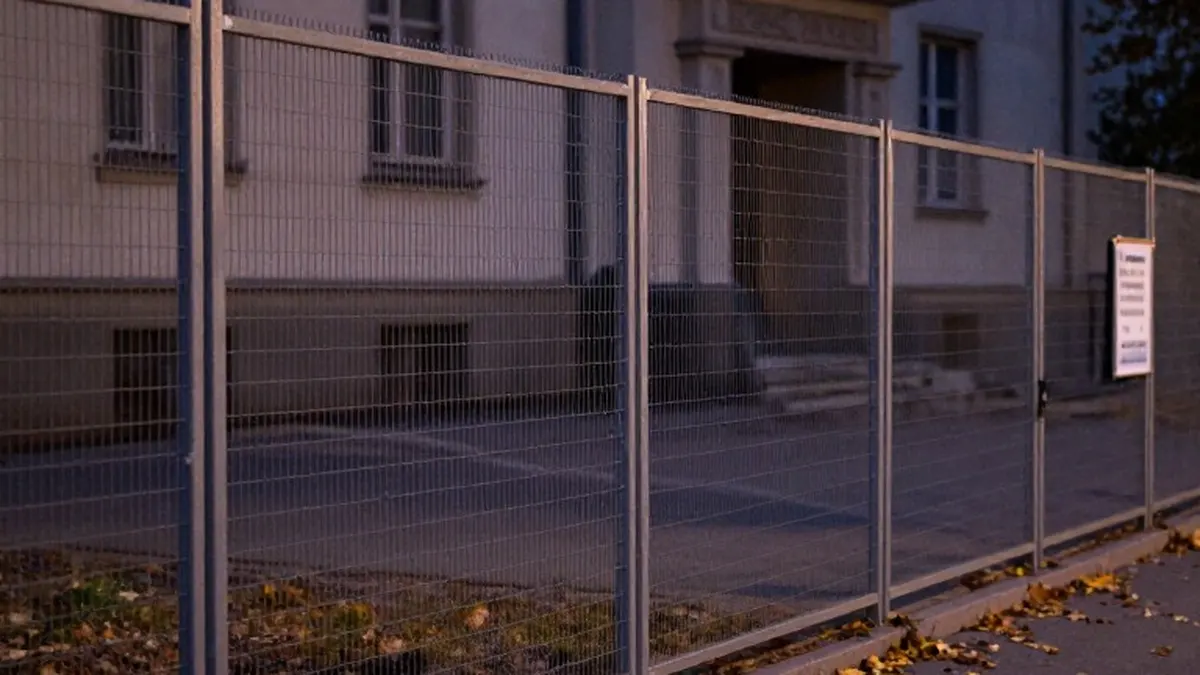
Police have guarded the court since Friday afternoon. They said three protesters were detained that night after some demonstrators threw objects at officers and attempted to breach the security fence surrounding the building.
The confrontation also carries risks for Tusk's parliamentary coalition, which includes his centrist Civic Coalition, the Left, Poland 2050 and the Polish People's Party, or PSL. Representatives of the latter two groups joined several opposition parties for talks with Nawrocki on Saturday. Tusk did not attend. The president's camp hopes the tribunal dispute will weaken the prime minister's parliamentary majority.
A general assembly of tribunal judges is scheduled for Tuesday, with decisions dependent on reaching a quorum of 10 members of the 15-judge court. The crisis comes a year before parliamentary elections in which Tusk's coalition will face several hard-right parties backing the president's position. Its outcome could influence that contest and potentially move Poland further from the European mainstream and closer to U.S. President Donald Trump.