Portugal implemented a nationwide shutdown on Wednesday in preparation for Storm Charles, cancelling more than 300 flights and closing all schools across the mainland. Despite the significant disruptions, the heavy rainfall and intense winds associated with the Atlantic storm passed through the country without causing severe damage.
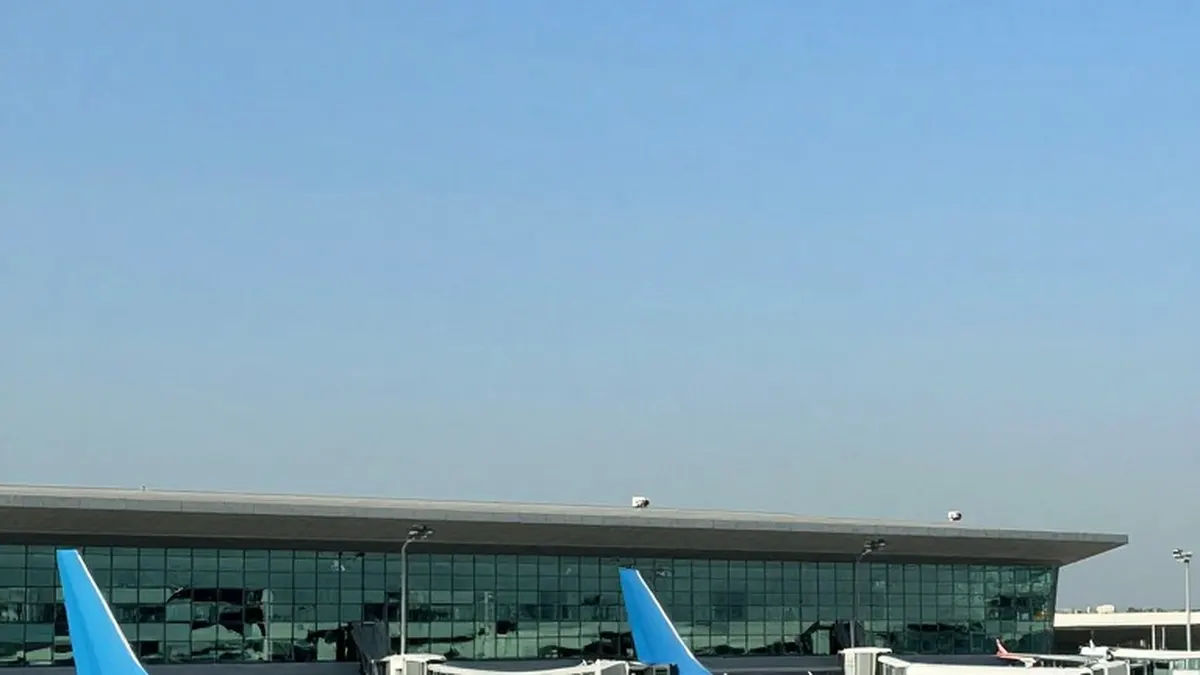
The precautionary measures led to the suspension of operations at four major international airports. In addition to aviation, hundreds of supermarkets and all non-essential public services were closed. For the first time in recent living memory, approximately 8,000 schools across the nation cancelled classes in response to the forecast for the powerful storm.
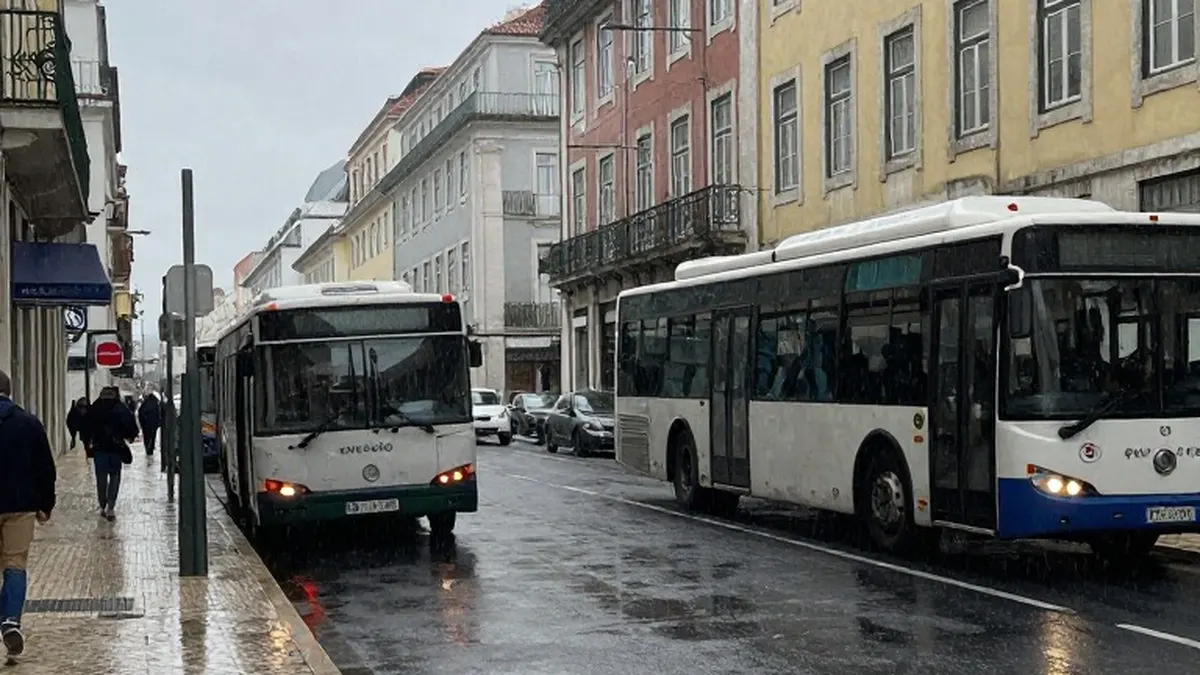
Government officials had advised the public to remain at home, resulting in largely deserted streets as the weather system arrived. The national weather agency, IPMA, recorded wind gusts exceeding 120 kilometers per hour in certain areas. In the capital, Lisbon, buses drove through streets with no passengers, while localized flooding occurred in some districts due to clogged drains.
Major commercial events were also affected by the storm. A national supermarket chain closed its stores, and the Web Summit technology conference, which was attended by about 70,000 people, called off its events for the day. The storm had previously struck the Portuguese island of Madeira on Tuesday, where winds reached 130 kilometers per hour.
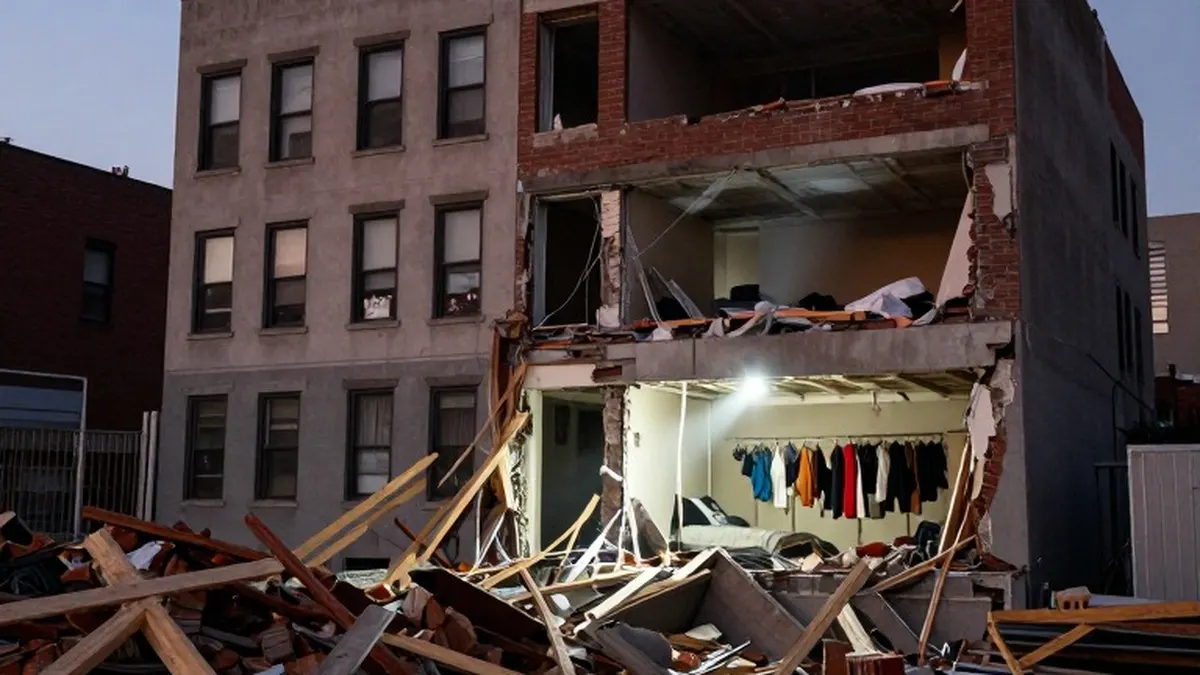
The government's response to Storm Charles has drawn attention following a series of recent severe weather events. In January, the centre-right government faced criticism for its handling of Storm Kristin, which felled thousands of trees and caused widespread property damage in central Portugal that is still being repaired. Additionally, in February, a 70-year-old man died in the Alentejo region after flooding swept his vehicle off a street following Storm Leonardo.
Prime Minister Luis Montenegro chaired a crisis unit composed of eight government ministers and other officials to monitor the storm's progression. By mid-afternoon, the highest level of emergency warning, known as the red alert, remained active only in the southern Algarve region. Initially, this alert had covered more than half of the country.
Interior Minister Luis Neves, who is responsible for public safety, addressed concerns regarding the scale of the shutdown. He dismissed suggestions that authorities had overreacted, stating that the government organized its response strictly in accordance with the weather forecast.
Following its passage through Portugal, Storm Charles was forecast to move into Spain. On the same day, workers in Spain staged a general strike. Organizers of the strike cancelled or postponed demonstrations in several southern cities, including Cordoba, Huelva, and Cadiz, likely due to the overlapping weather conditions.