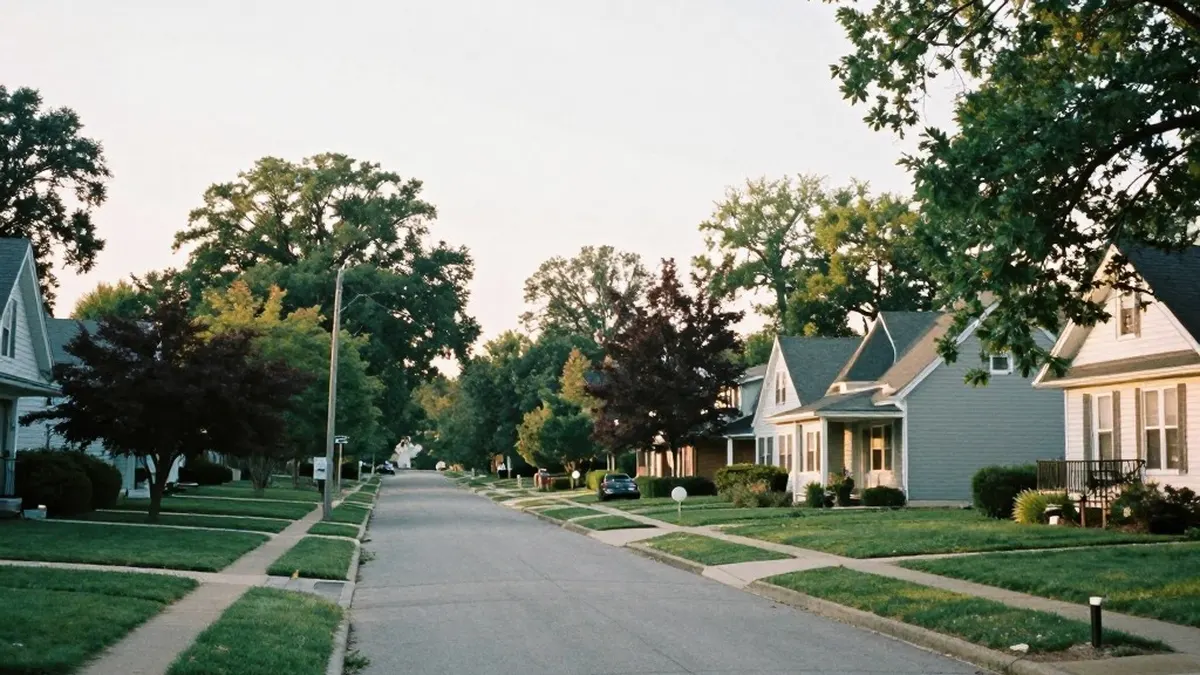
Queen Creek Utilities Director Mark Skocypec has declared that the era of inexpensive water has ended, a statement that recently gained national attention through a profile in The Washington Post. The town is currently debating a new water resource fee as part of a long-standing strategy to prepare for a drier future. This initiative has been in development for nearly a decade, focusing on securing a reliable supply for the fast-growing suburb in the East Valley.
The core of the town's plan involves purchasing water from the Harquahala Valley, located in the western part of Maricopa County along Interstate 10. This area is historically agricultural and has been identified by the state as a viable source for transporting water to other regions. Skocypec noted that while Queen Creek currently relies on groundwater, Arizona regulations require that extracted water be replaced. Historically, the Colorado River served this purpose, but the town is now shifting its reliance to reduce dependence on that source.
Skocypec explained that the Harquahala basin contains over 8 million acre-feet of water, which is sufficient to cover Queen Creek's annual demand of approximately 30,000 acre-feet. Although this water is technically groundwater, it exists in a basin designated by the state as transportable, meaning it does not require local replenishment. The water will be pumped and delivered to the town via the Central Arizona Project canal, a major waterway that traverses the Phoenix metropolitan area.
The proposed fee is designed to cover the costs of purchasing, pumping, and transporting this water. Skocypec stated that the fee amounts to just over $3 per thousand gallons. For the majority of customers, who use between 5,000 and 10,000 gallons monthly, the monthly bill increase will be less than $20. This category represents more than 60 percent of the town's customer base. However, higher usage, often attributed to discretionary landscaping choices, will result in significantly higher costs, with some top-tier users seeing increases of over $100 per month.
Residents have generally supported the strategic investments, though discussions have centered on the fairness of cost distribution. Community members are interested in ensuring that new growth does not burden existing residents and that industrial users contribute their fair share. Skocypec acknowledged these concerns, noting that the town is working to balance the financial load across different sectors of the community.
The director believes Queen Creek is well-positioned compared to other Valley cities because it began its due diligence and investment in the Harquahala Valley over eight years ago. He observed that prices for water in this region have risen significantly since then. Skocypec argued that the town's early entry into this market allowed it to secure resources at a lower cost, providing a competitive advantage in securing a long-term supply.
To address affordability concerns, the town is implementing the new costs gradually rather than all at once. Skocypec also mentioned that the town is exploring state programs and other opportunities to mitigate the impact on economically challenged residents. The goal is to ensure that the transition to a more expensive water model does not disproportionately affect vulnerable communities.
The water resource fee is structured not only to pay for current investments but also to fund future replacement and replenishment of water sources. Skocypec emphasized that conservation remains the primary tool for managing demand, encouraging residents to use water as efficiently as they do electricity. He stated that this approach ensures Queen Creek maintains a secure water supply for the next century, positioning the town as a model for other communities facing similar water challenges.