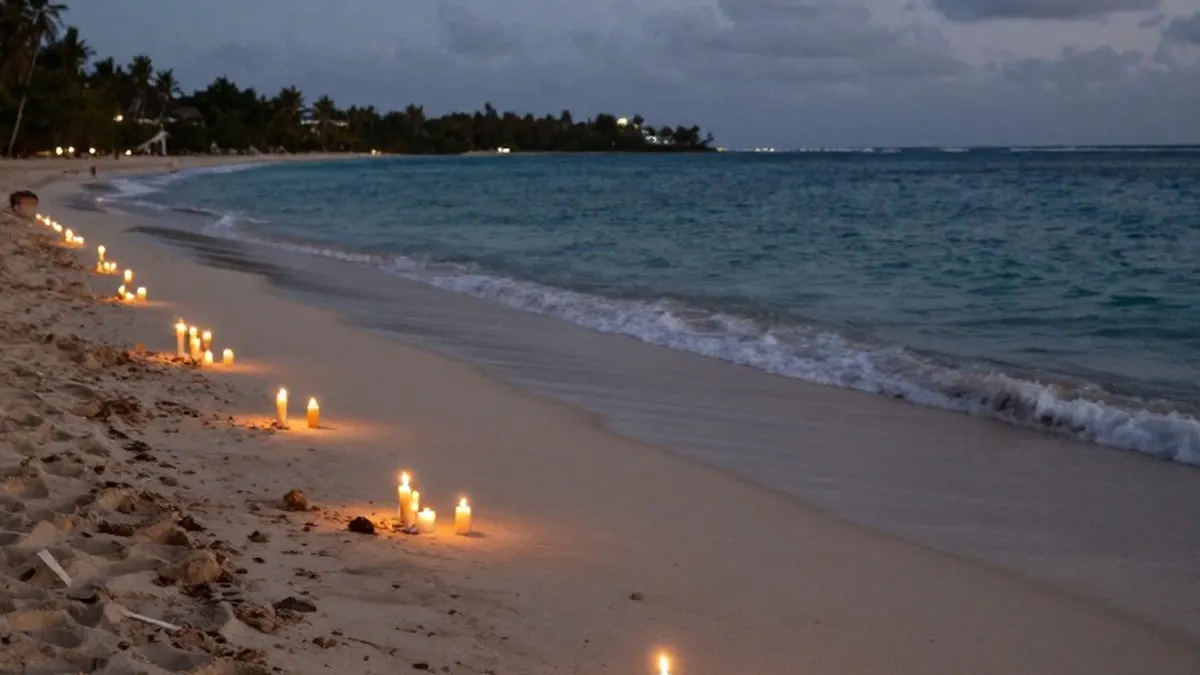
King Charles and UK prime minister Andy Burnham face protests demanding slavery reparations when they attend the Commonwealth leaders’ summit in Antigua and Barbuda next week. Campaigners plan to display their demands across the capital, St John’s, using billboards, placards and T-shirts, alongside letters and a candlelight vigil commemorating Africans trafficked to the country during the transatlantic slave trade.
James Knight, of Citizens for Reparatory Justice, which is organising some demonstrations, said campaigners were angered by statements ruling out an apology and reparations before the gathering. He described that response as insulting to people seeking discussion. The planned events also include a beach vigil and the launch of an international campaign combining reparations advocacy, protests and cultural activities.
Burnham offered a potential opening on Friday in an article for the Guardian, proposing structured dialogue with those affected by the slave trade and expressing willingness to consider requests for a formal British state apology. However, he maintained the position of successive British prime ministers against paying reparations, arguing that people in Britain should not be held liable for historical wrongdoing.
Reparations are outside the official agenda of the Commonwealth heads of government meeting, which brings together leaders from 56 member countries. Nevertheless, Caribbean leaders are expected to raise the subject in private meetings. Hilary Beckles, chair of the Caribbean Community reparations commission, has characterised the summit as an opening round of reparations negotiations, reflecting more than a decade of demands from regional leaders.
The Guardian understands that representatives of the Repair Campaign, Leigh Day, Open Society Foundations, TrustAfrica and the UK parliamentary group for Afrikan reparations will meet outside the main summit. Yet diplomatic obstacles remain: the Caribbean Community commission said the region had failed to obtain unanimous Commonwealth agreement for foreign ministers to advance dialogue about historical harms arising from the slave trade.
Buckingham Palace has placed responsibility for Britain’s reparations position with the government. In a letter seen by the Guardian, it conveyed that distinction to Dorbrene O’Marde, chair of Antigua and Barbuda’s reparations support commission. O’Marde had criticised statements rejecting apologies and said expressions of concern about slavery’s suffering had produced no corresponding action.
Campaigners point to recent international developments as grounds for optimism. A UN resolution adopted in March, supported by 123 countries, described the trafficking and racialised chattel enslavement of Africans as the gravest crime against humanity. Jamaican officials also petitioned the king in September seeking legal advice on their reparations claim, which the privy council will hear in March.
Verene Shepherd, vice-chair of the Caribbean Community reparations commission, said an August recommendation from the UN committee on the elimination of racial discrimination strengthened the campaign’s international legitimacy. The recommendation said countries were legally obliged to consider reparations and other measures addressing slavery’s continuing legacy of racial discrimination. The commission’s own 10-point plan begins with a full, formal apology, which Shepherd said would acknowledge responsibility and commit to repairing harm.
Views among Caribbean citizens differ on what an apology could achieve. In Guyana, which Charles visited on Thursday and Friday, visual designer Ron ChangYuen questioned the visit’s value without meaningful progress on reparations. Dramatist Deandra Daniels said an apology alone could not address generational trauma. Knight nevertheless expressed confidence that pressure surrounding the Antigua summit would help move the campaign forward.