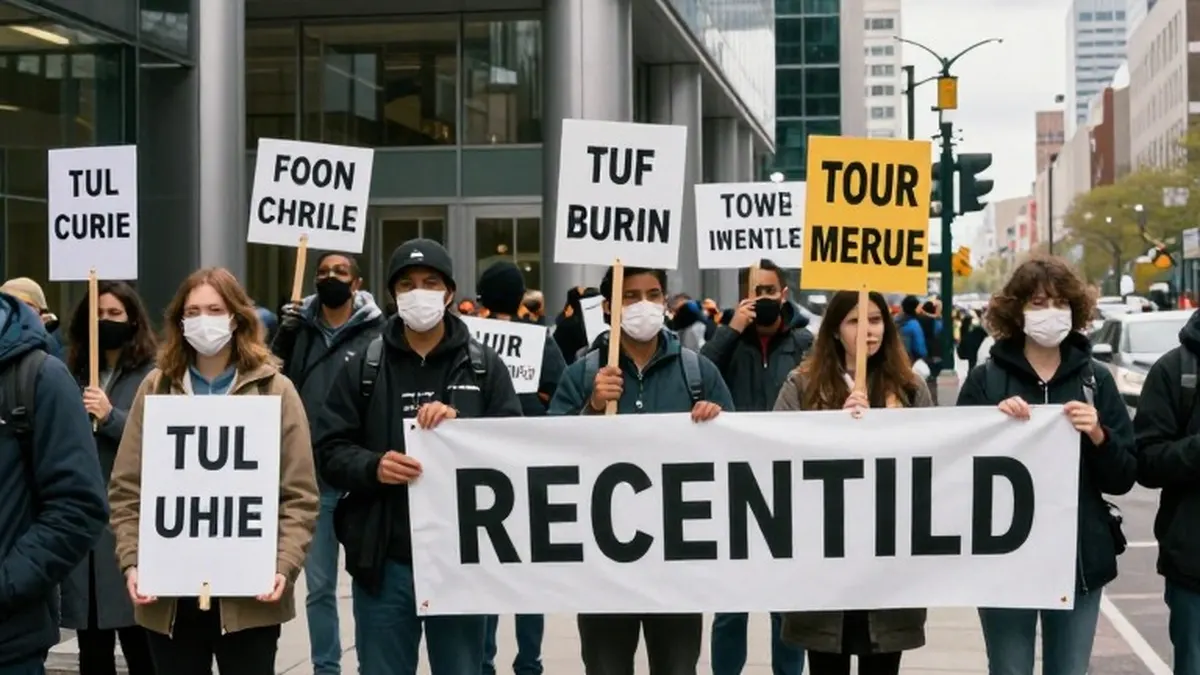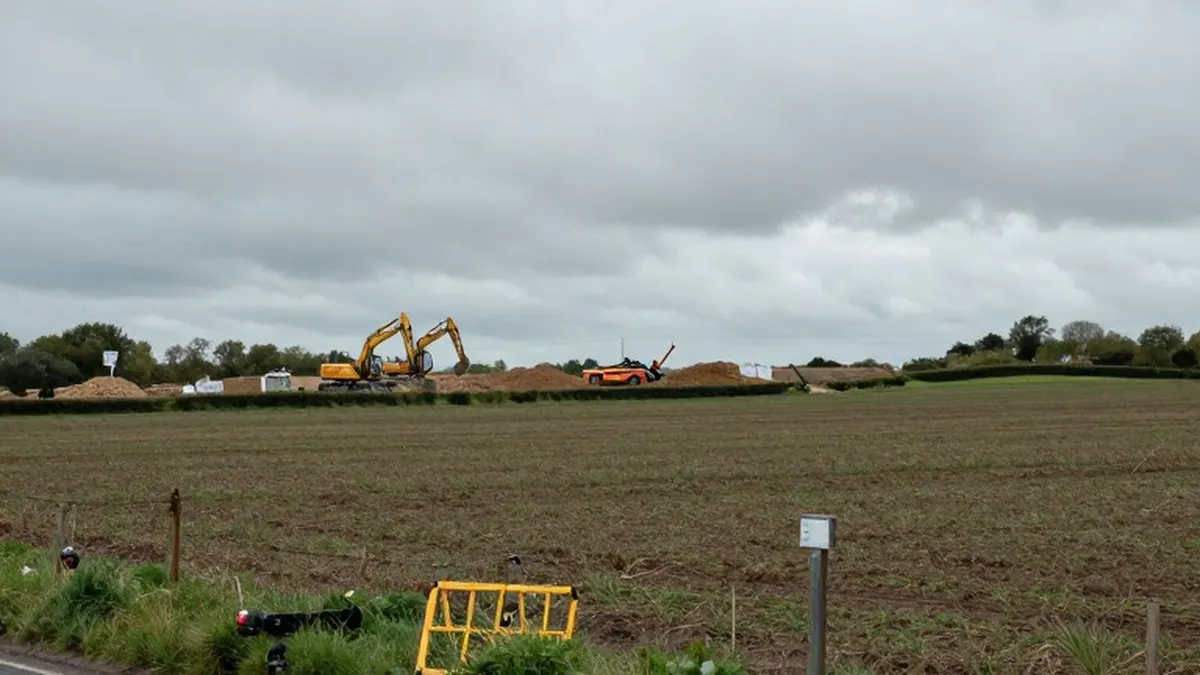
Legal protections that cap the costs faced by community groups challenging planning decisions that threaten nature could be scaled back under plans being considered by the government, environmental lawyers have warned.
The Aarhus convention, an environmental treaty signed into law by the UK in 2005, guarantees the right to take part in democratic processes on environmental issues, from sewage pollution to new roads and datacentre developments. Under the treaty, individuals who bring an environmental legal claim pay only £5,000 of the other side's costs if they lose, while organisations are protected by a £10,000 cap. The aim is to stop environmental challenges from becoming prohibitively expensive for individuals and public interest groups.
According to environmental lawyers, the Ministry of Justice has been holding private meetings with select stakeholders about removing these cost protections and distancing the UK from the convention. Other options reportedly under discussion include doubling the cost caps at each stage of a challenge, stripping costs protection where a court finds a misuse of judicial review, and allowing groups that crowdfund cases to face costs of up to 70% of the money they raise if they lose.
Moves to change environmental judicial reviews began under Keir Starmer's government, which has repeatedly described nature as a blocker to growth. Starmer singled out the activist Dr Andrew Boswell as an example of the "nimbys and zealots" bringing "vexatious" claims, citing Boswell's two-year legal fight against the expansion of the A47 in Norfolk, which he ultimately lost. Boswell said Starmer was "putting a target" on his back, adding that his campaign, funded by £73,000 crowdsourced from 2,000 individuals, "brought the community together in Norfolk".
Carol Day, a senior environmental solicitor at Leigh Day, said the changes would "bring environmental litigation almost to a halt". "If they had a bank of cases where they could point to legal action holding things up, I think we could try and have a sensible discussion about it. But we have nothing from them, no kind of hard and fast evidence," she said.
Another environmental lawyer said the proposals would "fundamentally undermine access to environmental justice deliberately" and mean "potentially really terrible decisions" would go unchallenged. "Local community objectors are often at the cutting edge of challenges that expose widespread government failures in relation to national and international obligations," the lawyer said.
Sarah Finch, an environmental campaigner whose grassroots judicial review over an oil well in Surrey changed UK climate law, said the proposals would have stopped her group from acting. "If we ran the risk of paying the other side's fees, we would have never brought this legal action," she said. "It's completely despicable for the government to take this right away. It's a proposal to restrict people's access to environmental justice."
Lawyers fear the private meetings suggest the government is accelerating towards leaving the convention, something the government denies. Day said: "The UK government say they don't want to leave the convention, but [potential changes] would put them in a very difficult position because they would be very significantly non-compliant with it."
Kyle Lischak, head of the environmental law charity ClientEarth UK, said: "The right to challenge unlawful decisions is one of the few ways people can hold those in power to account." He added that whether it involves datacentres or intensive livestock production, people "need the safe, affordable route to court to protect themselves, and nature, that the law should guarantee them". Niall Toru, a senior lawyer at Friends of the Earth, said the government "seems determined to find someone to blame for slow growth", arguing that floods, droughts, pollution and climate breakdown, not nature, are costing people and businesses billions.
A government spokesperson said: "The government is committed to upholding its obligations under the Aarhus convention, including maintaining access to environmental justice that is not prohibitively expensive. There are no plans to remove costs protections for well-founded claims."