Riverside’s first public park has twice made room for a bandstand, with the original structure leaving after years of concerts and growing criticism. Established in 1883 as City Park and renamed Albert S. White Park in 1899, the downtown space reflects more than a century of changing plans for recreation, landscaping and musical performances.
The park began on swampland that Dr. Clark Whittier graded and filled. In return, he received land along its edges and built a sanitarium at Market and Eighth streets. That building subsequently became the Park Hotel and then the Plaza Hotel. As of November 2026, the site houses Riverside City College Culinary Academy and the Henry Coil Sr. and Alice Edna Coil School for the Arts. Market, Whittier, Chestnut and Hidalgo streets mark the park’s boundaries.
Water once cut across the grounds: the Lower Canal followed a diagonal route through the park, with footbridges providing crossings. Albert S. White, an early park commissioner, helped shape its landscaping alongside Franz Hosp. Together, they were responsible for most of the original plants and cacti. White was also a close friend of Mission Inn figure Frank A. Miller and the first paying guest at the old Glenwood Cottage.
Planning for the first bandstand accompanied the park’s development in early 1883. Mr. Stevens designed an octagonal structure measuring 25 feet across, and Mr. Portor and Mr. Davis received a $500 construction contract in early March. By March 17, the Press and Horticulturist reported a higher cost of $600 and an expected June 1 completion. Work ran behind schedule, with the newspaper describing the structure as nearly finished on June 30.
A week later, the newspaper reported complaints about the bandstand’s paint scheme, which combined white, brown, blue and bright red. The roughly two-story structure placed musicians on an upper level above storage space. Four rustic canal footbridges were built during the same period. The Riverside Band and later the Riverside Military Band played there. By 1905, Gustav Hilverkus, a longtime Riverside High School band director and cornetist at the annual Mount Rubidoux Sunrise Easter Services, directed the band.
By 1908, deterioration had prompted calls for removal, including from White. After receiving no bids to clear the structure within 10 days, the park commission authorized Frank Richmond that May to dismantle and relocate it to Fairmount Park for concerts pending a new bandstand. A fountain replaced it at White Park, funded by George Reynolds, owner of Reynolds Department Store and Reynolds Hotel.
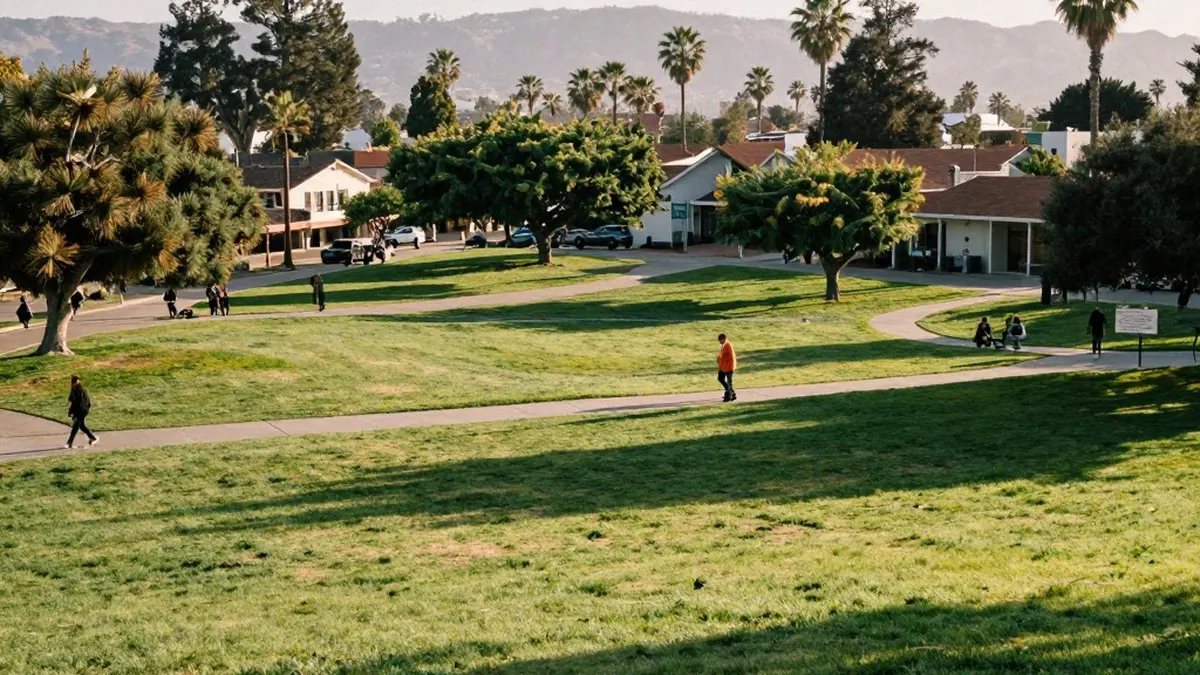
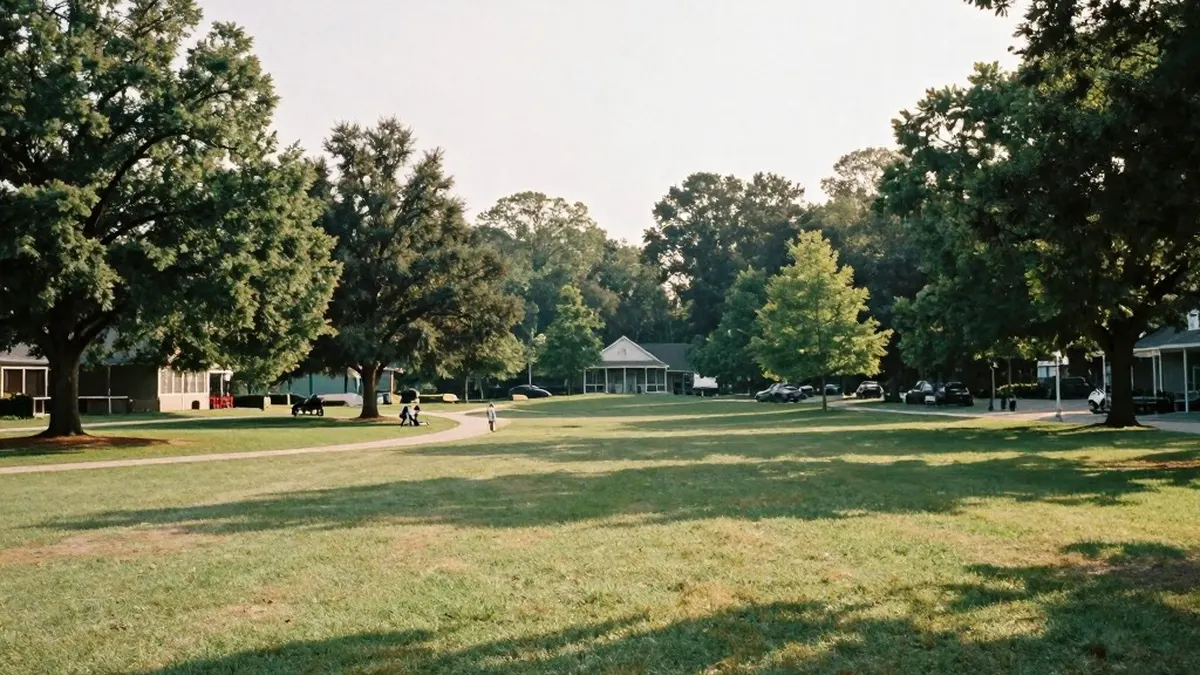
White Park later deteriorated and developed a poor reputation. The city closed it in 1997 for renovations expected to last 18 months. Instead, work continued for four and a half years before its November 2001 reopening. A surrounding wrought-iron fence and a white bandstand at the park’s center were among the features of the renewed grounds, restoring a setting for concerts.