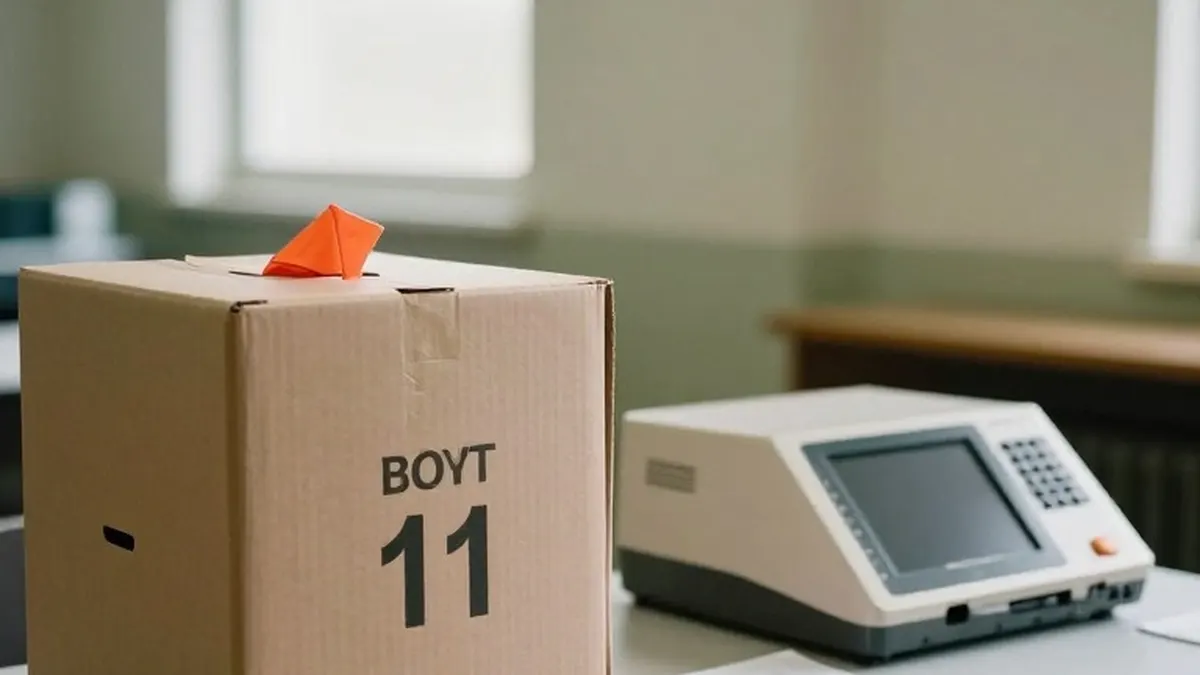
Voters across Westchester County in New York State encountered significant disruptions to their ballot tabulators on Tuesday, an issue that quickly generated confusion and a wave of conspiracy theories on social media. The malfunction was identified early in the morning when voting machines failed to scan hand-marked paper ballots in 44 of the county’s 45 municipalities. State election officials attributed the problem to a programming error and instructed voters to place their ballots into secure orange bags, a standard procedure for handling such technical difficulties.
The incident has heightened tensions among residents, many of whom expressed worry in text chains and social media posts about whether their votes would ultimately be counted. The stakes are particularly high in Westchester because the 17th Congressional District is a pivotal battleground in the fight for control of the U.S. House of Representatives. In this district, Republican Representative Mike Lawler is competing against Democrat Cait Conley in a closely contested race. Although the district leans slightly toward the Democratic Party, Lawler has retained his seat for four years by leveraging high popularity and campaigning aggressively on issues of crime and affordability. Conley, a military veteran and former cybersecurity official under the Biden administration, is attempting to capitalize on President Donald Trump’s declining approval ratings.
Both candidates urged supporters to remain confident and not let the technical glitches discourage them from voting. By Tuesday afternoon, Westchester County Executive Ken Jenkins announced that alternate tabulators were being deployed. He confirmed that the ballots stored in the secure bags would be counted after the polls closed at 9 p.m. The New York State Board of Elections stated that long-established emergency procedures were in place, with ballots secured under bipartisan control.
New York Governor Kathy Hochul addressed the situation directly, telling reporters in Queens that every single vote would be counted. She emphasized the bipartisan nature of the resolution, noting that the backup plan was fully operational and that voters in Westchester should feel confident in the process. While ballot scanner issues are generally considered routine, they have been notably frequent in New York in recent years, with similar problems reported in New York City in 2018 and Queens in 2024.
The technical difficulties were not unique to New York. Other states, including Florida and Oklahoma, also experienced ballot tabulator issues this year. Additionally, polling sites in various locations, including Maricopa County, were affected by unrelated problems such as power outages and flooding. These various disruptions provided fuel for online influencers and some elected officials who framed the events as a coordinated effort against Republican candidates.
Prominent conservative voices amplified these concerns on social media. Laura Loomer, a close ally of the President, posted that Democrats were attempting to steal the election in New York, a message that garnered over 100,000 views. Katie Miller, a conservative podcast host, described the situation as a method used by the left to win elections. Representative Claudia Tenner, a Republican from New York and chair of the House Election Integrity Caucus, also posted that Democrats would do anything to cheat.
These accusations mirror narratives that have circulated in previous elections, most notably the claims surrounding the 2020 presidential race. Researchers studying misinformation have expressed concern that normal technical glitches are being misrepresented as evidence of fraud. Several experts warned that such narratives could lay the groundwork for challenging election results. In Oklahoma City, election board secretary Doug Sanderson noted that while early machine problems are common, the current political climate has made the public more sensitive to these occurrences.
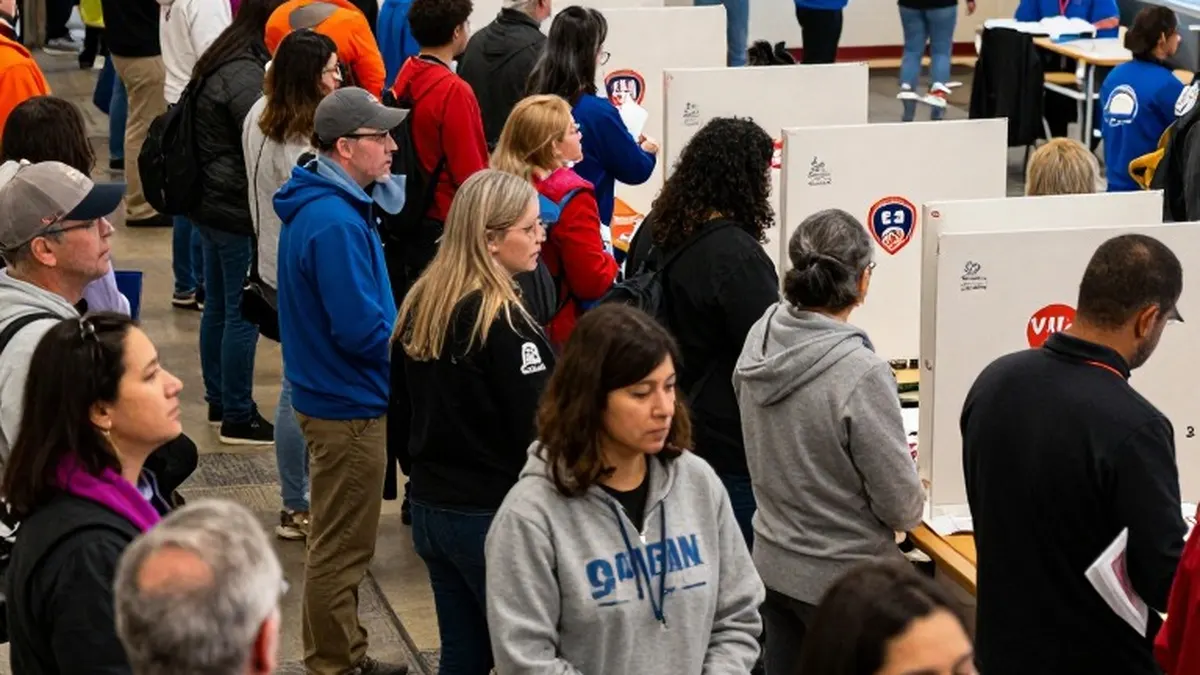
Despite the online fervor, voting appeared to proceed smoothly at the ground level in Westchester. At a polling site in Sleepy Hollow located in a social club, a steady flow of voters entered and exited throughout the lunch hour. Most had already received text messages or heard from neighbors that the scanners were down. By 12:30 p.m. ET, only two of the 225 people who had voted at that specific location walked away because of the tabulator issues. One poll worker described one of the voters as disrespectful, while the other indicated they might return later to vote.