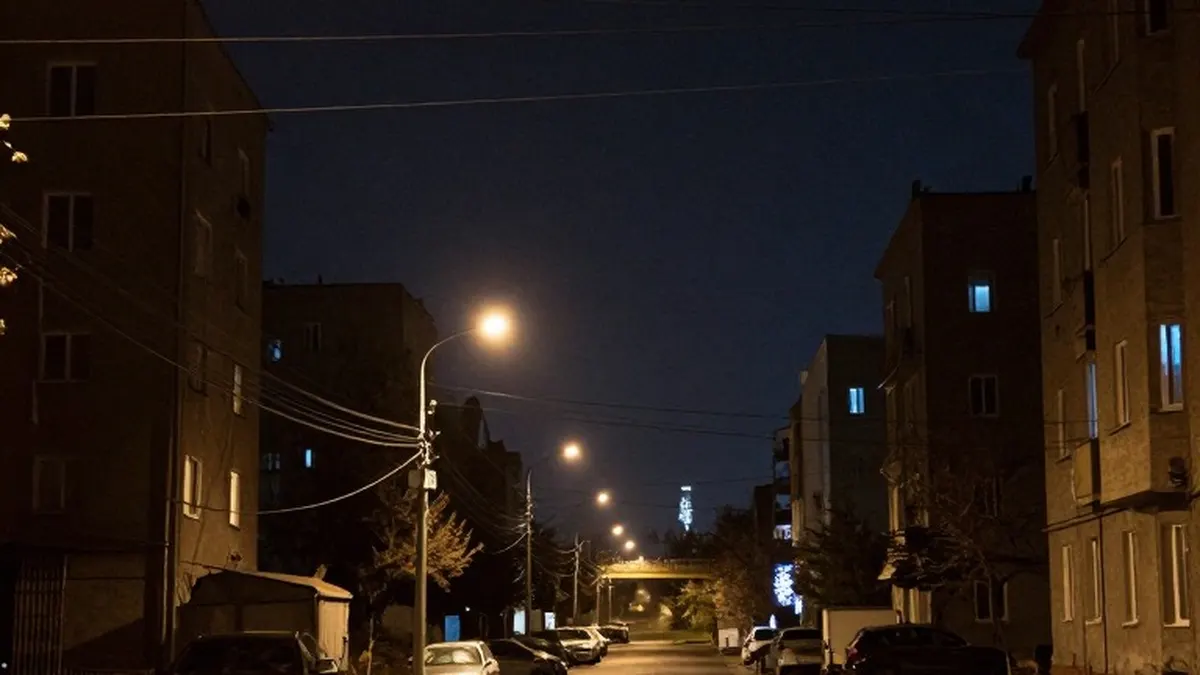
Russian attacks left the Ukrainian city of Dnipro almost entirely without electricity early Friday, Oct. 30, as both countries struck energy infrastructure overnight. In western Russia, a Ukrainian drone hit an oil refinery in Novokuibyshevsk, in Samara Oblast, causing a fire at a facility that produced jet fuel for Russia's armed forces.
Ukrainian private energy company DTEK said damage from the Russian strikes had prompted emergency electricity cuts in Dnipro and the surrounding Dnipropetrovsk Oblast. Oleksandr Hanzha, who heads the region's military administration, said on Telegram that more than 350,000 people had lost power and that efforts to restore electricity were continuing.
The overnight attacks followed a warning from Ukrainian President Volodymyr Zelenskyy that Russia was preparing additional high-speed missile strikes. Speaking from Kyiv on Thursday evening, he urged allies to quickly provide more air defense interceptors, especially those used by Patriot systems. Ukraine is experiencing an acute shortage of interceptors capable of bringing down Russian ballistic missiles.
"We now have intel about the Russians preparing new ballistic missile attacks," Zelenskyy said in his evening address. He said Ukraine was awaiting decisions from allies on the anti-ballistic defense capabilities it needed. Zelenskyy also reported that Ukrainian forces had destroyed two Russian Su-34 fighter jets and hit an Iskander missile launcher.
The warning came after deadly attacks in Ukraine on Thursday. Officials said a strike on a rail platform in Dnipro early that day killed at least 14 people. Further strikes during the day killed at least six others.
Despite the continuing attacks, a six-day local ceasefire in the southern Ukrainian region of Kherson appeared to remain in place for a third day. That offered cautious hope for a wider truce, although efforts to secure a peace agreement have yet to succeed. Another round of U.S.-brokered negotiations is expected in Abu Dhabi in November, with both sides stressing the importance of security guarantees.
Relations between Zelenskyy and U.S. President Donald Trump have been tense in recent weeks. Several Trump administration actions, including the easing of economic sanctions, appeared to favor Russia. Reuters reported Friday, citing four people familiar with the matter, that the Pentagon had asked NATO allies to moderate their public criticism of Russia.
Trump has also blamed Ukrainian attacks on Russian energy facilities for pushing up fuel prices before the U.S. midterm elections on Nov. 3. An energy ceasefire between Russia and Ukraine that he announced on Oct. 11 produced no meaningful result.