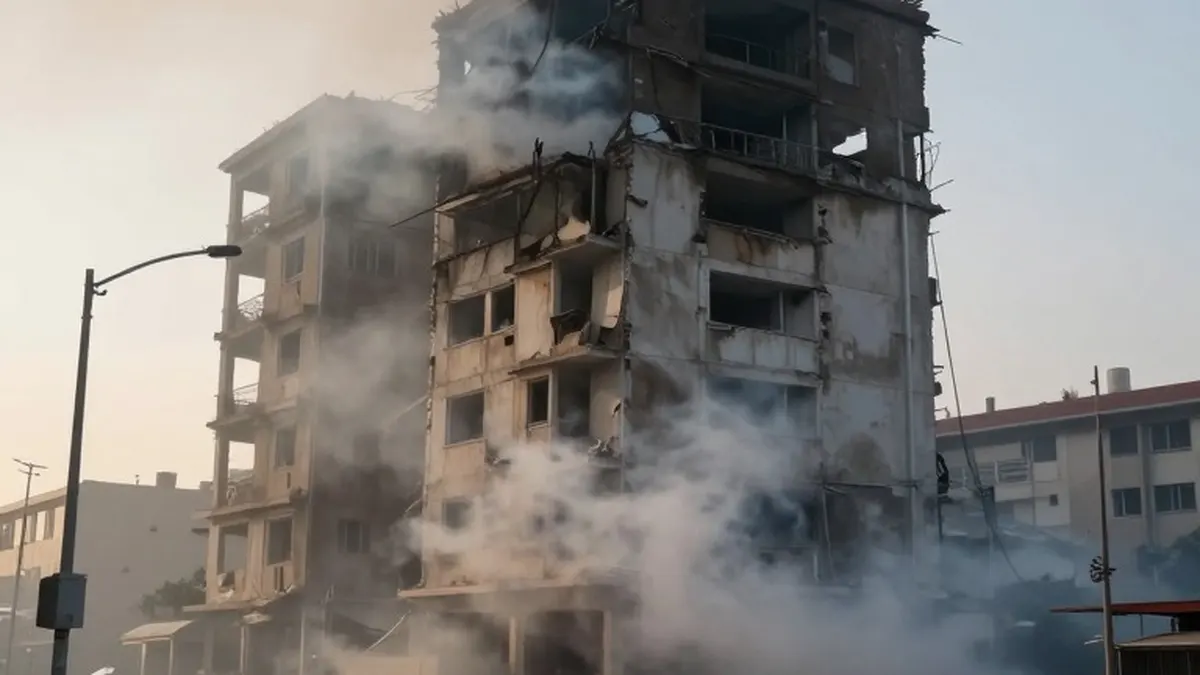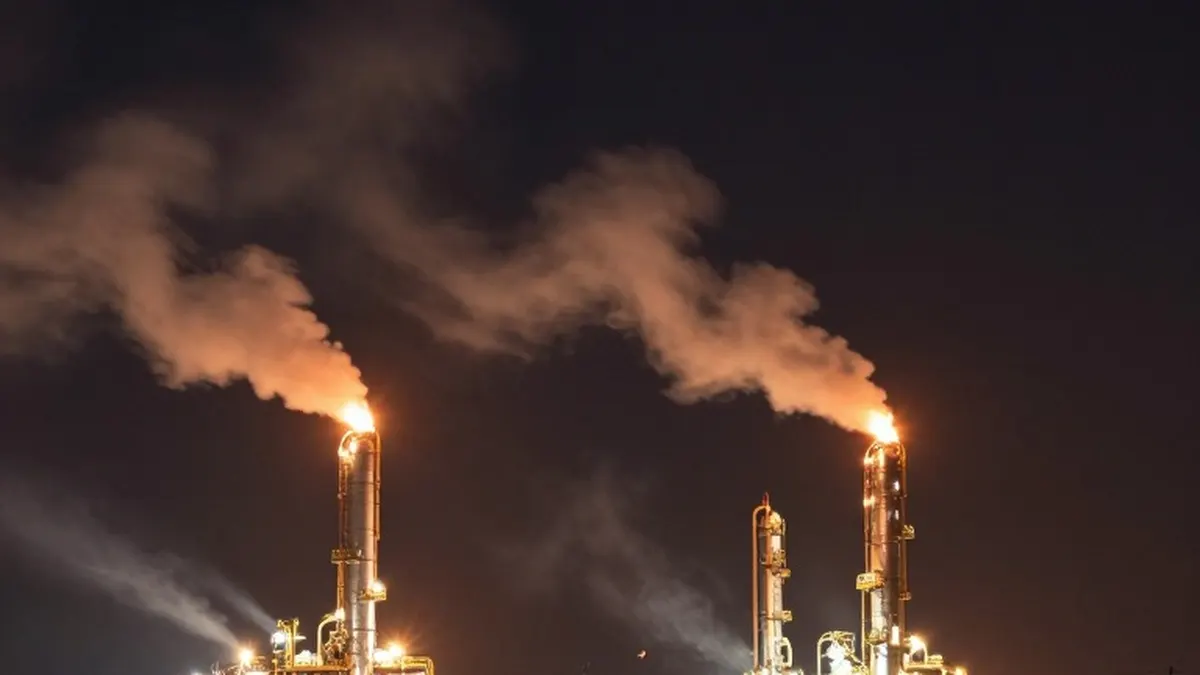
Two major oil refineries in Russia's Samara Oblast sustained damage and caught fire during a coordinated strike on the night of November 24 and 25. Ukrainian defence forces targeted the Kuibyshev oil refinery in the city of Samara and the Syzran oil refinery in the town of Syzran. The operations were carried out by several military branches, including the General Staff of the Armed Forces of Ukraine, Special Operations Forces, the Security Service of Ukraine, and the Unmanned Systems Forces.
The attack on the Syzran facility was executed by Ukraine's Special Operations Forces using long-range drones. These operations were conducted in cooperation with the local Black Spark resistance movement. According to official reports, the drones successfully reached their designated targets, resulting in a visible fire at the site.
Initial assessments indicate that the strike at the Syzran refinery impacted several critical sections of the plant. The damage extended to the AVT-6 crude distillation unit, as well as the sulphur removal, catalytic reforming, hydrotreating, and isomerisation units. Additionally, two storage tanks were hit during the operation.
The Syzran oil refinery operates as part of Rosneft's Samara group. It has a design capacity to process 8.5 million tonnes of oil annually. The facility produces a range of petroleum products, including petrol, diesel, aviation kerosene, fuel oil, and bitumen. These products are distributed across dozens of Russian regions, with a portion of the output specifically allocated to meet the needs of the Russian military.
Simultaneously, the Kuibyshev oil refinery in Samara was struck by assets from the Unmanned Systems Forces and the Security Service of Ukraine. Reports confirmed hits and subsequent fires at the facility. The attack targeted the AVT-4 and AVT-5 primary oil refining units, along with a reforming unit and two additional storage tanks.
The Kuibyshev refinery is one of the largest facilities within Rosneft's Samara group. It possesses the capacity to process approximately 7 million tonnes of crude oil per year. The strikes represent a significant blow to fuel production infrastructure in the region, which supplies energy needs for both civilian and military sectors in Russia.
The dual strikes highlight the continued use of long-range precision weapons by Ukrainian forces to target energy infrastructure deep within Russian territory. By hitting multiple units at two separate refineries, the operations aimed to reduce the overall processing capacity of the Rosneft network in the Samara Oblast.
The attacks occurred during a period of heightened activity in the war, with various Ukrainian military units coordinating efforts to maximize impact. The involvement of special operations units alongside conventional military forces demonstrates a multi-layered approach to striking high-value industrial targets.
As the fires were recorded at both sites, the full extent of the damage to the production lines remains under assessment. The disruption at these facilities is expected to affect fuel supply chains in the surrounding regions, potentially impacting both local consumption and military logistics.
The strikes serve as a reminder of the strategic importance of the Samara Oblast in Russia's energy sector. With both refineries being major contributors to Rosneft's output, the simultaneous targeting of the Kuibyshev and Syzran plants underscores the scale of the recent offensive action.