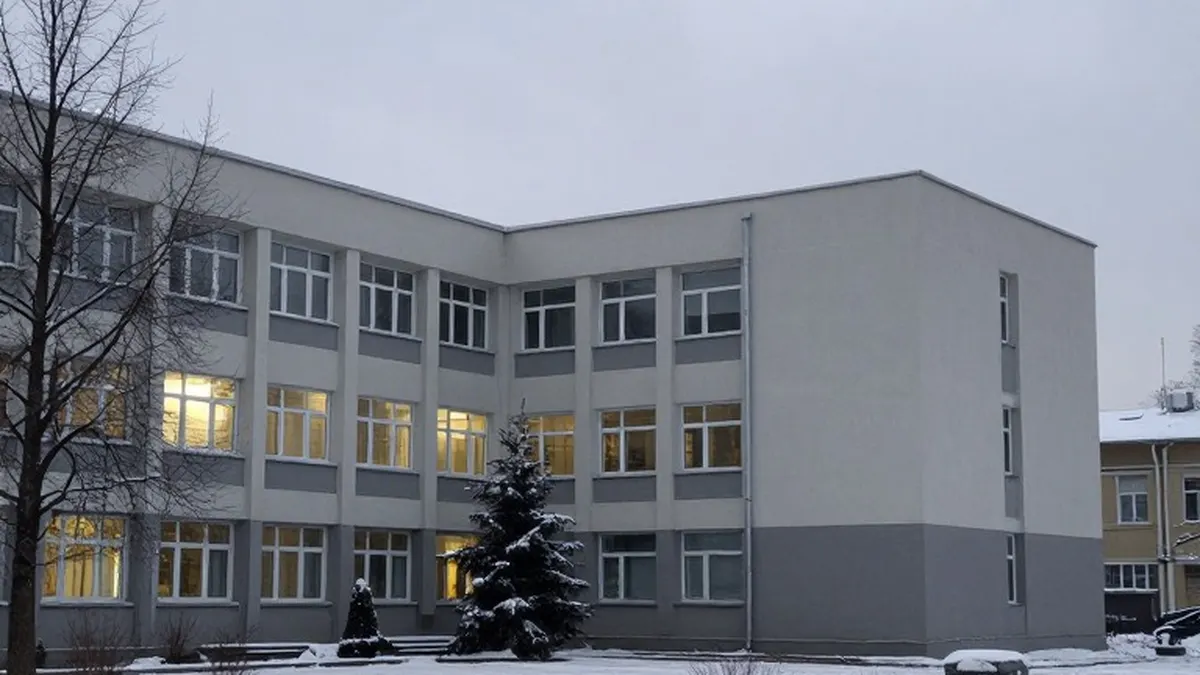
Schools in the Ukrainian city of Odesa will transition to remote learning from November 23 to November 27. This decision follows significant disruptions to electricity, heating, and water supplies across the region. The move aims to ensure that educational activities can continue despite the ongoing infrastructure challenges.
The Odesa City Council's Department of Education and Science announced the change via its Facebook page. The department stated that all schools in the city would operate remotely during this five-day period. The primary reason for the switch is the widespread instability in essential utility services that affect daily operations and student attendance.
To support students who may face difficulties joining live online classes due to power outages, teachers have prepared video recordings of their lessons. These recordings are available to students through their class teachers or the school administrations. This measure ensures that children can access educational content even if their internet or power connections are intermittent.
Kindergartens will not follow the same remote model. Instead, only on-duty groups will remain open in physical facilities. These groups are specifically designated for the children of workers in critical infrastructure sectors. This arrangement allows essential workers to continue their duties while ensuring their young children are cared for in a supervised environment.
The need for these educational adjustments stems from extensive damage to the power grid. The Odesa Oblast Military Administration reported that Russian strikes have seriously damaged main power transmission lines. The scale of the destruction has made it difficult to supply Odesa and the surrounding areas with the electricity they require for normal operations.
As of the morning of November 22, power engineers had managed to partially restore electricity to critical infrastructure facilities. This initial step is part of a broader effort to stabilize the grid. Experts are currently working on implementing backup power supply arrangements and other technical solutions. These measures are intended to gradually restore electricity supplies to the wider population.
The administration noted that the extensive nature of the damage means that a full restoration of electricity supplies will take time. Consequently, the shift to remote learning provides a buffer period while technical teams work to repair the infrastructure. The goal is to minimize the impact of the energy crisis on the educational progress of students in the region.
This situation highlights the interconnectedness of energy infrastructure and daily life, particularly in the education sector. The coordinated response by the city council, military administration, and schools demonstrates an effort to maintain normalcy in the face of significant external challenges. The coming week will be a test of both the resilience of the power grid and the adaptability of the local education system.
The decision to switch to remote learning is effective from the start of the week on November 23 and will last through November 27. During this period, families in Odesa are advised to keep their children at home unless they are part of the specific kindergarten groups for critical infrastructure workers. The city continues to monitor the situation closely as repair efforts progress.