Chicago State University's Department of Theatre will present a free double bill on November 12 and 13, 2026, featuring a play written by the late Earle Chisolm. The production marks a significant moment for lecturer Earle Chisolm-El, who will perform the lead role in his father's work. The event is part of a broader initiative to highlight local creative legacies and provide accessible theatre experiences for the community.
The program, directed by Professor Sean Parris, pairs Chisolm's "Two in the Backroom" with "Tear Gas" by India Nicole Burton. The combined presentation is titled "Two One-Acts • One Stage • Different Worlds." This thematic pairing allows the audience to experience two distinct narratives within a single evening, bridging different eras and emotional landscapes through the medium of live performance.
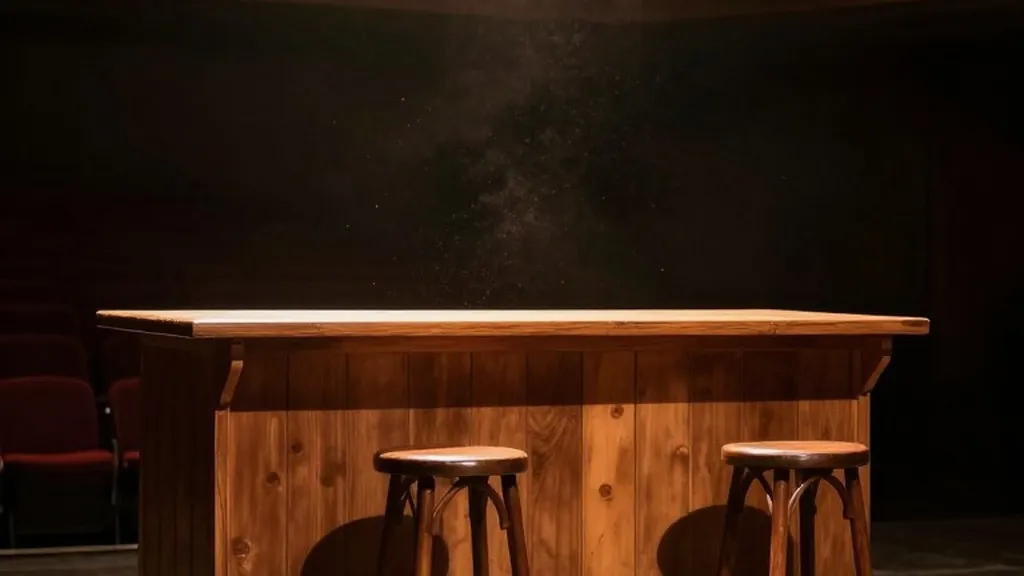
"Two in the Backroom" is set in a bar during the 1970s. The plot focuses on two characters who share a conversation that lingers long after the scene ends. For Chisolm-El, taking on the lead role offers a personal opportunity to share his father's writing with a new audience. It serves as a tribute to his father's artistic contributions and keeps the work alive in the current theatrical landscape.
The second play in the program, "Tear Gas," centers on a group of teenagers. These young characters are confronted with a tragedy that fundamentally changes their world. The juxtaposition of this modern teen drama with the 1970s bar setting creates a dynamic contrast. The two works are designed to reflect the program's overarching theme of exploring different worlds on a single stage.
Performances are scheduled for Thursday, November 12, at 12:30 p.m. and 7:00 p.m. A final performance will take place on Friday, November 13, at 7:00 p.m. All shows will be held in Douglas Hall, Room 116, which is known as the Black Box theatre at Chicago State University. The venue provides an intimate setting that is well suited for the one-act format of both plays.
The combined program is expected to run no longer than one hour and 15 minutes. This concise runtime makes the event accessible for a wide range of attendees. The short duration allows for a focused viewing experience without requiring a lengthy commitment from the audience. The tight schedule also facilitates the smooth transition between the two distinct one-act plays.
The events are free and open to the public. Community members, students, faculty, and staff are all invited to attend. The university encourages local residents to participate in this cultural offering. The free admission policy aims to remove financial barriers and encourage broad attendance from the surrounding neighborhood.
Reporters, photographers, and broadcasters are welcome to request interviews or coordinate coverage in advance. The university views media presence as a valuable part of the event. Coverage helps to amplify the reach of the production and highlights the contributions of the actors and writers involved. The department is eager to share the story of this unique theatrical pairing with the wider public.