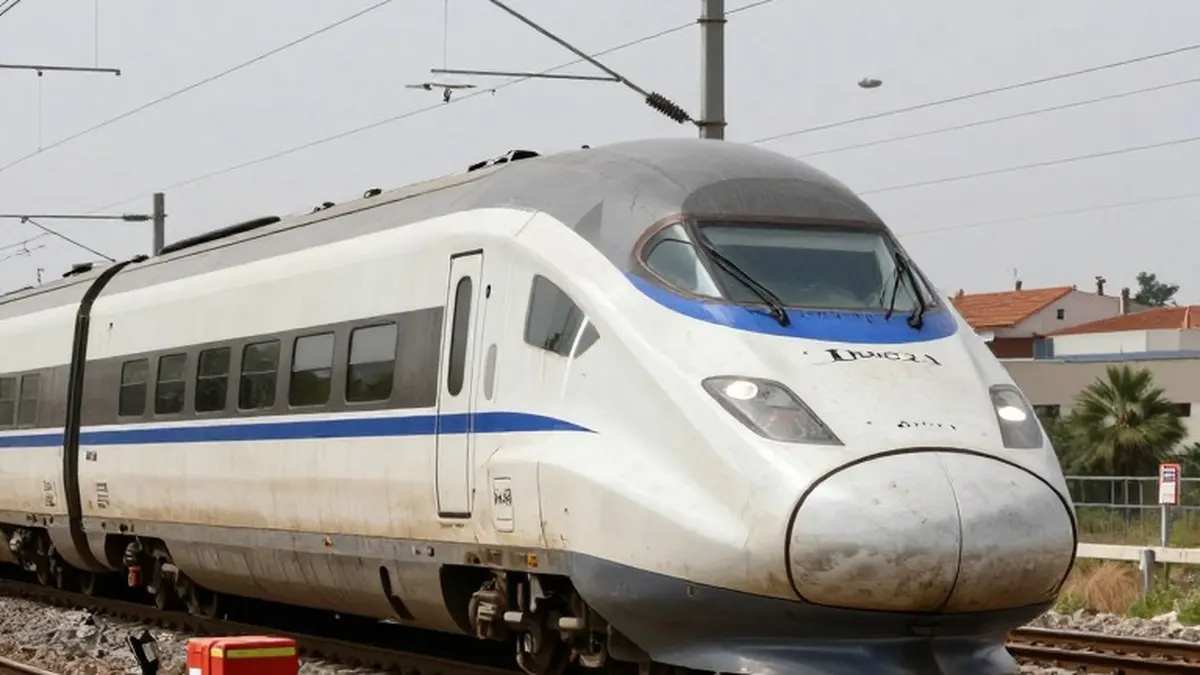
Spain’s second major train collision of the year has intensified scrutiny of its high-speed railway, with the transport minister blaming a controller’s decision and unions pointing to staffing pressures and unreliable safety equipment. Wednesday’s crash in Toledo province killed 69 people on the Madrid-Seville line, where another collision claimed 46 lives in January.
A judge and a special government commission are investigating separately. Prime Minister Pedro Sánchez has promised to establish what happened. After visiting injured passengers at a Toledo hospital on Thursday, King Felipe VI said investigators must determine the circumstances behind the disaster and that measures would be needed to prevent another.
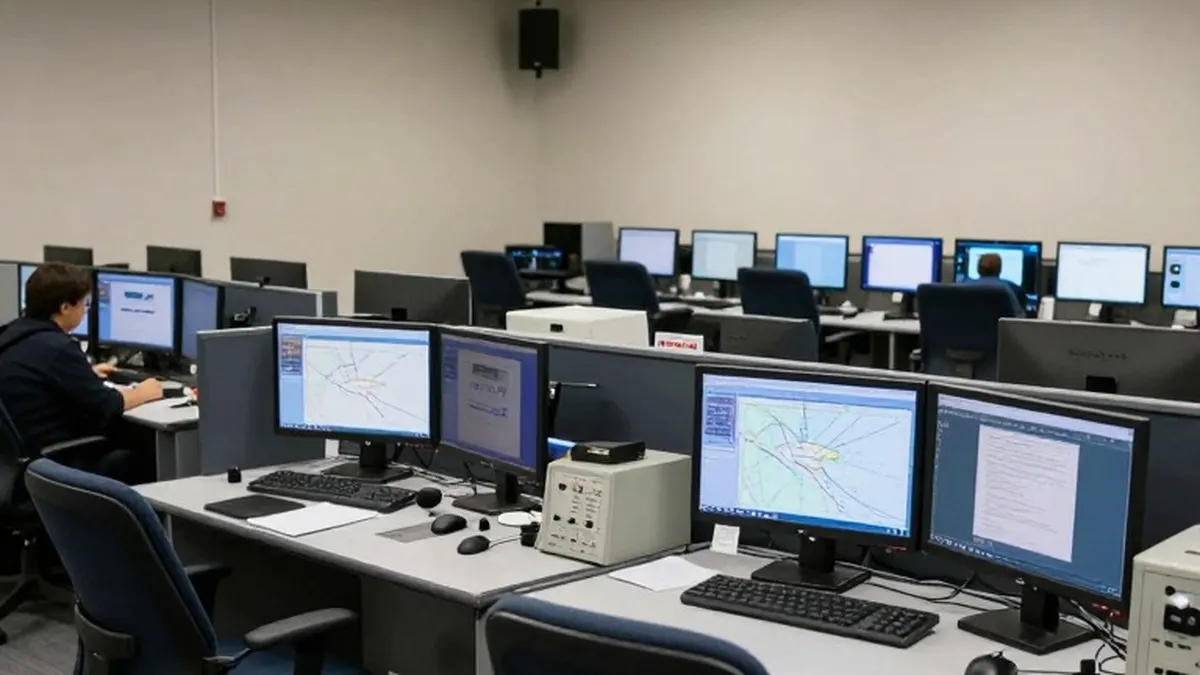
The sequence began at 8:30 a.m. Wednesday, when a communications system essential to the line’s LZB safety system stopped working. LZB tracks train positions and can activate automatic braking to avert collisions. Its failure left controllers in Madrid fully responsible for tracking trains and maintaining safety across a 63-kilometer section. Authorities believe six trains were on that stretch at the time.
At 8:36 a.m., a controller authorized a train operated by state-owned RENFE to resume normal-speed travel. An IRYO train, 25 kilometers farther along the line, also attempted to restart, but its engineer could not override the automatic stop and notified the controller. The collision occurred at 8:53 a.m., sending carriages off the rails and tearing apart sections of the trains.
Transport Minister Óscar Puente, who faces calls to resign, said the RENFE train should not have been cleared to move because a stop signal remained active. He described the decision to allow it to resume full speed while the other train was stationary as erroneous and inexplicable. Both this collision and January’s crash involved RENFE and privately owned IRYO trains.
Railway unions say the working conditions surrounding such decisions must also be examined. Raquel Ayllón, spokesperson for the traffic controllers union SCF, told The Associated Press that staffing levels routinely leave controllers with more work than they can safely manage. She said requests for additional personnel had continued for years while safety systems repeatedly failed. Diego Martín of the train engineers union SEMAF said the three-decade-old LZB system, which is being phased out on the route, had gone offline repeatedly and should already have been replaced.
Train workers held a previously scheduled strike Thursday, demanding that the government honor safety commitments made after the January disaster. Representatives of several unions also criticized the release to Spanish media of recordings of conversations between controllers and train engineers, calling the leaks irresponsible.
The debate also encompasses growing railway traffic since Spain opened high-speed services to private operators in 2021. According to SCF, average daily trips between Madrid and Barcelona rose from 56 in 2019 to 89 in 2024. Train workers union spokesperson Joan Rodríguez told TVE that unions questioned whether maintenance had kept pace with the expansion. He did not identify increased traffic as a determining cause of the crashes, but said heavier use of the network deserved consideration.