Defence secretary Wes Streeting has said he began putting aside food and water several weeks ago to prepare for a possible national emergency. Speaking to the Times about threats facing the UK, he said his department had already started increasing spending in response and urged households to consider their own preparedness.
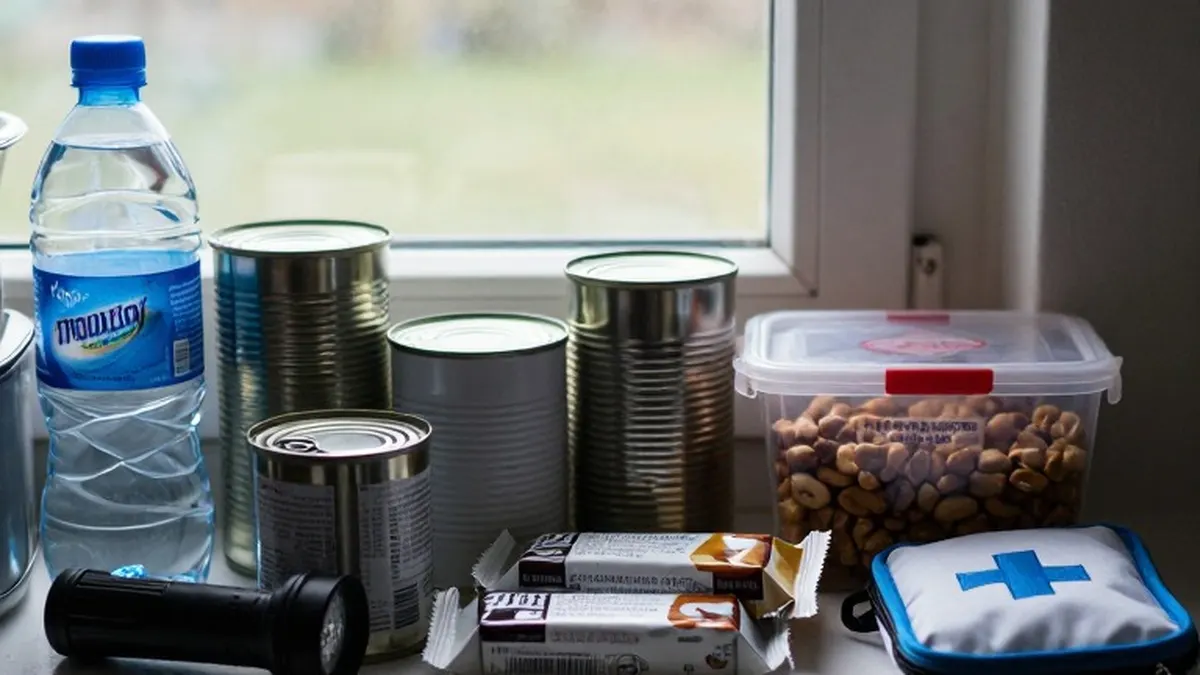
Streeting said his emergency supplies included bottled water, a first aid kit and a torch powered by batteries. He had also stored baked beans, sweetcorn, red kidney beans, tuna, protein bars and nuts. Having recently encouraged Britons to make similar preparations, he said he wanted to “lead by example”.
He said his mother had contacted him ahead of payday to ask how much she should buy while managing her budget for the rest of the month. Streeting welcomed signs that people were considering household resilience, describing supplies of water, canned food and torches as practical preparations for everyday difficulties.
His comments followed chancellor John Healey’s call for defence expenditure to rise to 3% of GDP by 2030 and 3.5% by 2035. Healey had already asked Whitehall departments to identify cuts of 1% in their budgets for long-term investment to help finance defence spending. In his first budget, delivered on Wednesday, he said the defence investment plan was now fully funded.
Streeting said Britain needed to deter its adversaries and be prepared to defeat them if deterrence broke down. He stressed that additional funding had to be used carefully, telling the newspaper: “Spending more money badly is not virtuous.” He said preparations for future wars required a balance between modernisation and value for money.
Healey’s resignation as defence secretary in June had helped bring Keir Starmer’s premiership towards its end. Now chancellor under Andy Burnham, Healey had accused Starmer and former chancellor Rachel Reeves of endangering national security through insufficient funding for the defence investment plan. In his resignation letter, he said he could not accept a settlement that failed to provide the resources the armed forces needed.
Healey’s renewed commitment to the 3% target drew support from Nato secretary general Mark Rutte, who described Britain as being on “a credible path” towards the pledge made by alliance members in The Hague. However, the chancellor faced criticism for postponing details of how he would achieve the target until next year’s spending review.
Streeting also addressed military oversight, alleging that the courts were engaged in an “active campaign” to damage the reputation and integrity of special forces. He left open the possibility of MPs and peers on the intelligence and security committee scrutinising both special forces and Britain’s nuclear weapons, saying the committee’s members could be trusted.