Families returning to Khartoum after years of displacement are finding that reaching home does not mean an end to hardship. Damaged houses, lost belongings and limited employment have left many struggling to rebuild, while shortages of water, electricity, fuel and healthcare add to the pressures on household finances.
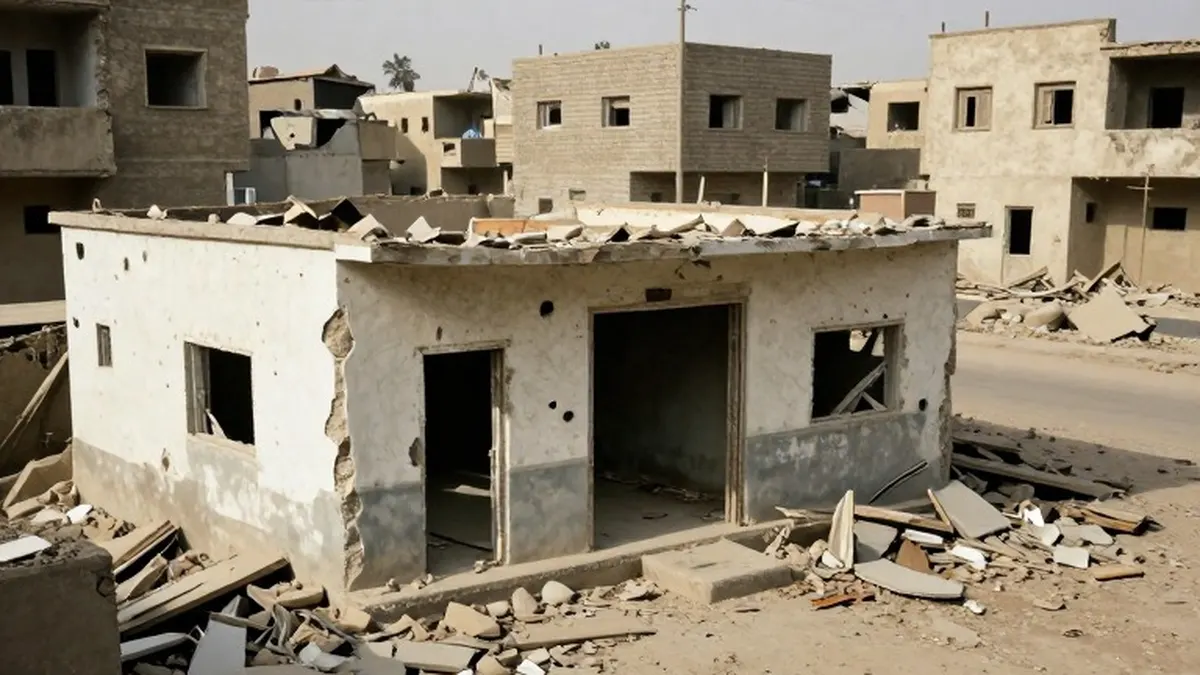
Mohamed Mahdi Makki Farah, 51, returned to Jabal Awliya, south of Khartoum, in August 2025 after the Sudanese Armed Forces declared Khartoum state free of Rapid Support Forces fighters. He had fled to el-Fasher in North Darfur in June 2023. On his return, he found his house wrecked and looted, including its utensils. Some family members now sleep on the floor, while others live in rented accommodation. Repairs remain beyond their means.
A trader before the war, Makki Farah saw his business capital fall to nearly a third of its previous level because of the Sudanese pound’s depreciation. Displacement and the journey back depleted his resources further. Medical bills for his children, everyday expenses and rent have prevented him from funding repairs. His family also lost important documents during the conflict and has had to begin replacing them.
The fighting between the army and the RSF began in April 2023 and continues, particularly in southeastern Sudan. Government victories have brought greater stability to large areas, including around Khartoum, encouraging returns. The International Organization for Migration’s Displacement Tracking Matrix reported that approximately 5.27 million displaced Sudanese had returned home across nine states as of September 30. Of those, 82 percent had been displaced within Sudan and 18 percent had crossed borders. About half were children.
An assessment published by the United Nations High Commissioner for Refugees in August 2026 put returns to Khartoum state at approximately 2.5 million people. The agency cautioned that many lacked the conditions necessary to rebuild their lives. Homes were damaged or uninhabitable, jobs were scarce, and wartime infrastructure damage restricted access to water and other basic services.
Abubakr Ishaq Hamed Ibrahim, 40, encountered similar difficulties after returning to Khartoum in February 2026 from River Nile state, where he had fled in May 2023. His home had been destroyed and its furniture, bedding and household possessions taken. His family rented a house in Omdurman’s al-Thawra neighbourhood, but without steady earnings they fell behind on rent for several months.
Previously self-employed, Hamed Ibrahim now takes whatever casual jobs are available. His family has used up its savings and borrowed from relatives and friends for food, housing and school fees. Support from relatives has helped his children resume school. The family also receives food assistance from organisations including the World Food Programme, with supplies such as sorghum, flour, wheat, oil and sugar.
Fuel shortages and recurring electricity cuts in recent weeks have disrupted Khartoum’s public transport. Fares have risen on some routes, and passengers often wait hours for buses. Flour shortages have also caused long bakery queues in some areas. On Saturday, state authorities announced measures to provide fuel for public transport and prioritise buses following a meeting chaired by Governor Ahmed Osman Hamza. Government departments were instructed to give residents lifts during journeys to and from work.
For Makki Farah, returning has not restored the life his family had before the conflict. He told Al Jazeera that further support was essential for them to see a future in the capital: “We have lost everything we had before the war.”