Syrian authorities announced on Tuesday that they had successfully prevented a sabotage attempt against a critical oil facility in the country's interior. The operation targeted a cell linked to Lebanon's Hezbollah militia, which was planning to strike the Homs refinery. This development follows a recent series of unclaimed attacks on oil and gas pipelines across various regions of Syria.
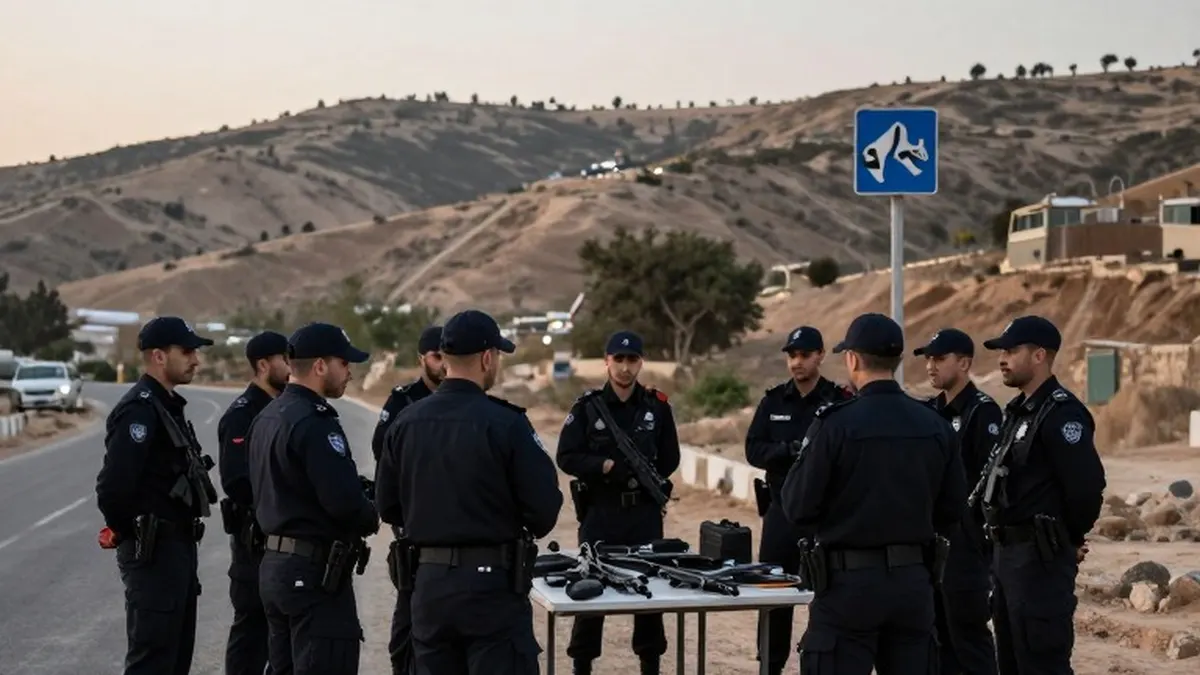
In a statement released by domestic intelligence and security forces, officials confirmed that they had foiled the terrorist plot. The security apparatus reported that two members of the suspected cell have been arrested. Additionally, forces seized the explosives that were intended for use in the attack on the industrial site.
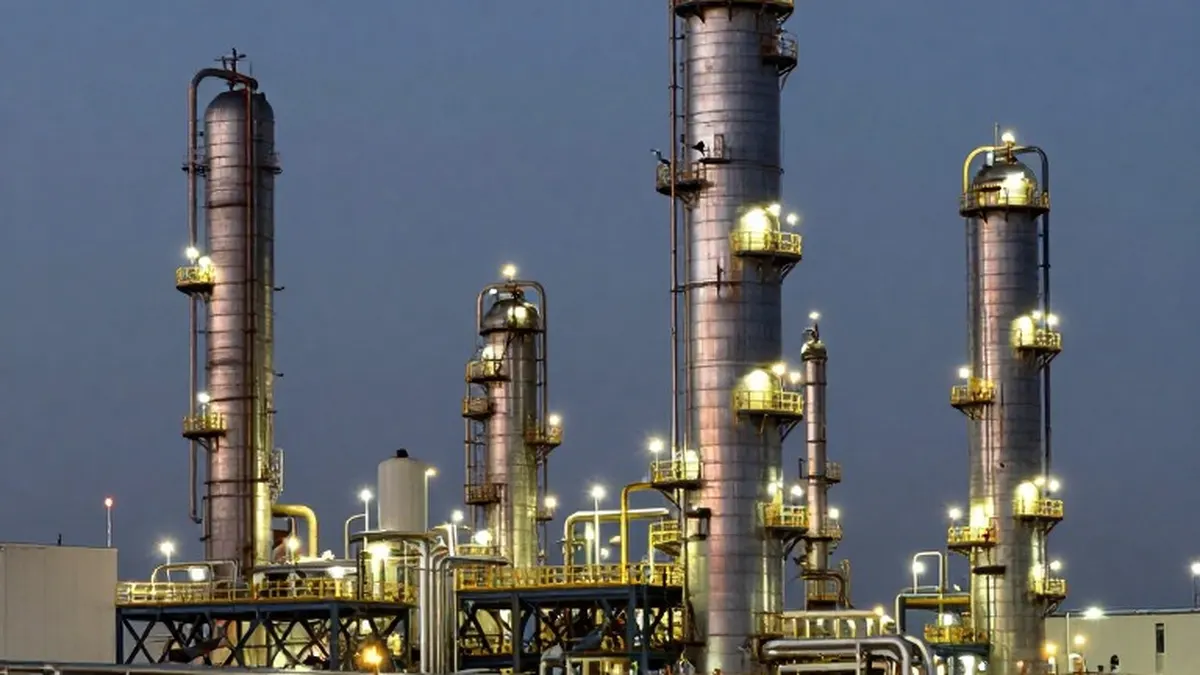
The Homs refinery is located in central Syria and holds significant strategic importance. It is currently the only operational refinery in a nation that was devastated by more than a decade of civil war. That conflict concluded in late 2024. Another refinery, situated on the coast at Banias, is currently undergoing maintenance, further highlighting the reliance on the Homs facility.
Damascus has a history of announcing the dismantling of cells linked to Hezbollah, a group that has consistently denied such allegations in the past. The Iranian-backed Lebanese group remains a sworn enemy of Israel and played a prominent role in Syria's civil war. Hezbollah fought on the side of Bashar al-Assad, who has since been overthrown, which has cemented an ongoing enmity with those now in power in Damascus.
Recent tensions have escalated with reports of infrastructure damage. On Sunday, the Syrian news agency SANA reported on the foiled plot against the refinery. This news came after Damascus reported sabotage attacks in early October. Those earlier incidents targeted an oil pipeline first, followed by a gas pipeline, illustrating a pattern of pressure on the country's energy sector.
Despite the recent security actions, diplomatic channels remain open between the two entities. Syrian President Ahmed al-Sharaa and Hezbollah leader Naim Qassem have both raised the possibility of meeting each other. Such a meeting could serve as a significant milestone in the evolving relationship between the new Syrian leadership and the powerful Lebanese militia.
The announcement by Syrian security forces emphasizes the continued focus on neutralizing external threats to national infrastructure. The seizure of explosives and the arrest of the cell members demonstrate the effectiveness of domestic intelligence operations in identifying and disrupting covert plans. The situation remains a focal point for observers monitoring the post-war stabilization of the region.
Analysts note that the targeting of the Homs refinery underscores the vulnerability of Syria's energy infrastructure in the wake of the civil war. With the Banias refinery under maintenance, the uninterrupted operation of the Homs facility is vital for the country's economic recovery and energy supply. The foiled plot aims to protect this critical asset from further disruption.
The relationship between Damascus and Beirut remains complex, characterized by both historical cooperation and recent friction. The involvement of Hezbollah-linked figures in the plot has rekindled debates about the group's influence in Syria. As security forces continue to investigate the cell, the broader implications for regional stability and bilateral relations will likely remain a subject of intense scrutiny.
Syrian officials have not provided further details on the identities of the arrested suspects or the specific type of explosives seized. However, the confirmation of the plot's existence and its successful neutralization marks a significant security victory for the government. The incident serves as a reminder of the persistent challenges facing Syria as it navigates the transition from a long and destructive conflict.