Tesla (NASDAQ: TSLA) released its third-quarter 2026 financial results on October 21, 2026, delivering a mixed but broadly steady report. Revenue landed a little under analyst forecasts, while earnings per share came in slightly ahead. The company said it would hold an investor call at 5:30 p.m. ET (4:30 p.m. CT) to take questions.
Total revenue was $28.046 billion, compared with an expected $28.34 billion. Non-GAAP earnings per share were $0.48, above the $0.45 that had been anticipated. Operating margin was 2.6%, against a forecast of 2.5%, while operating income reached $718 million, marginally short of the $721 million expected.
The most striking figure was free cash flow. Tesla reported $1.531 billion, whereas expectations pointed to a negative figure of roughly $4.51 billion.
In its commentary, the company highlighted growing uptake of its Full Self-Driving (Supervised) software. The attach rate rose to more than 75% of new vehicle deliveries in North America, which Tesla described as its most mature market. That marked an increase of nearly twenty percentage points from the previous quarter. Tesla said it believes FSD is boosting demand where it is offered and that it continues to work with regulators to win approval in other markets.
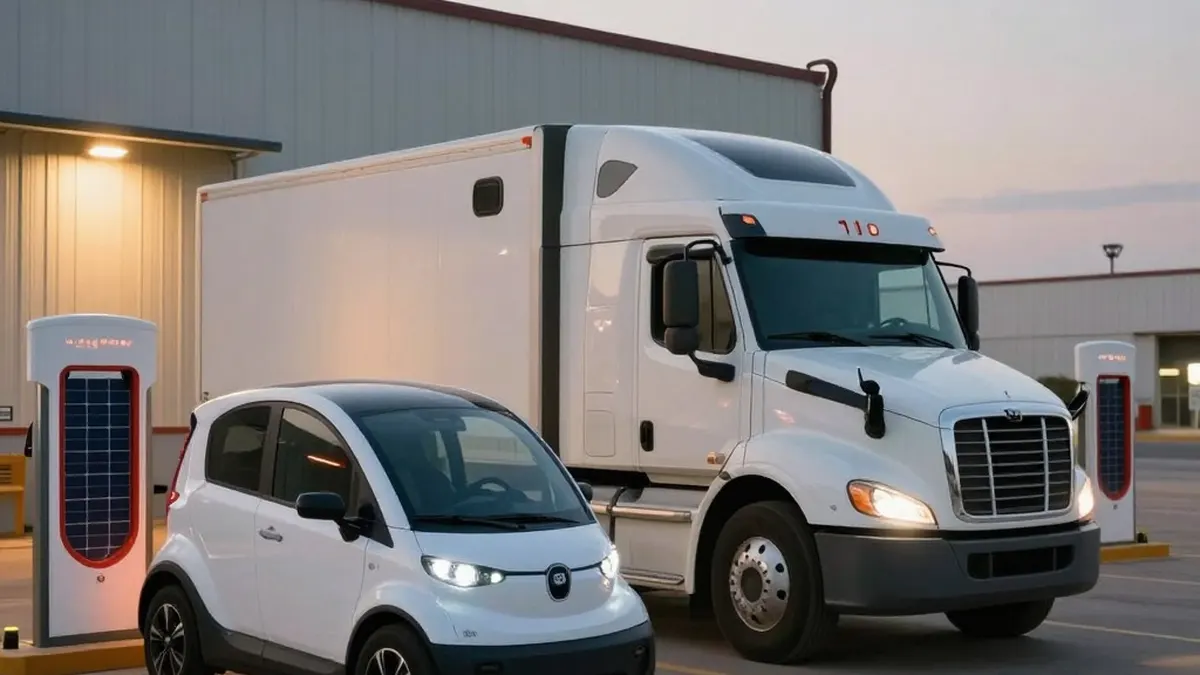
Tesla also said it began volume production of the Tesla Semi, its Class 8 heavy-duty truck. According to the company, the top variant can travel 500 miles at a full gross combination weight of 82,000 lbs, with an efficiency of 1.7 kWh per mile. Tesla said this means the truck uses about a third of the energy of a comparable diesel truck hauling the same payload, which it argued would be a meaningful advantage for operators because energy is among the largest components of cost per mile.
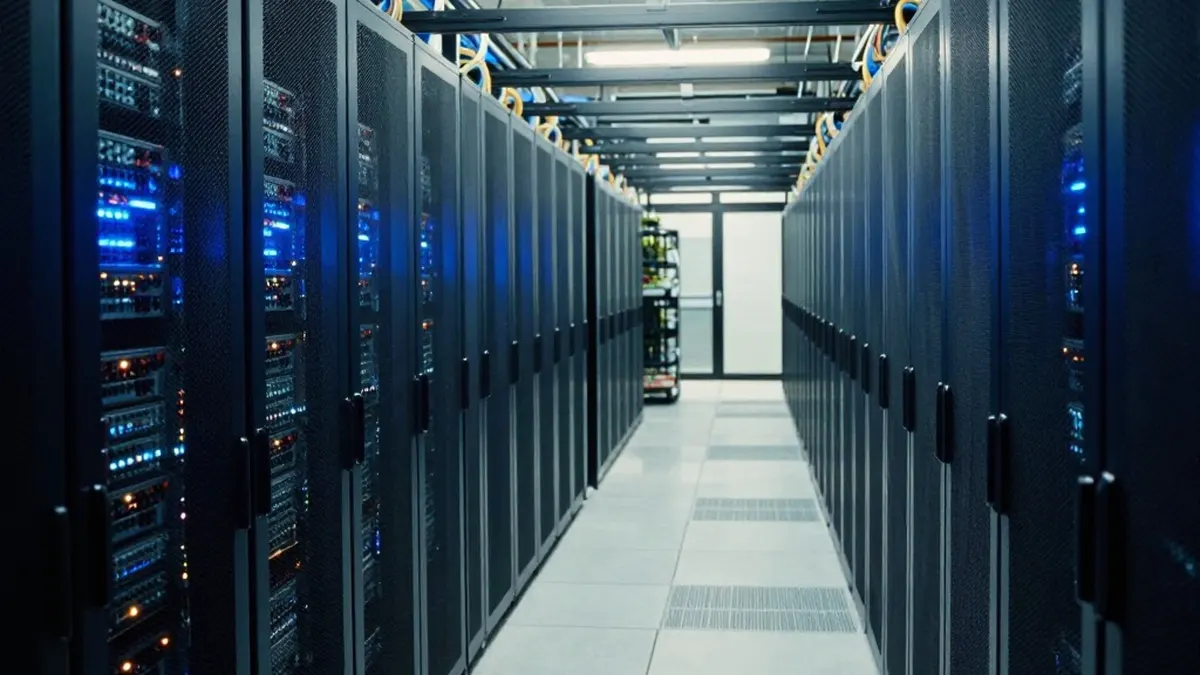
On computing infrastructure, Tesla said it aims to reach 400 MW of SI training compute by the end of the year. That capacity is intended to support software development for both vehicle and humanoid robot autonomy. The company also continued construction of its Austin Fab, where it plans to begin commissioning equipment in 2027.
Tesla also reported progress on its Robotaxi service. It began deploying the Cybercab into the Robotaxi fleet in Austin and said the service had logged nearly two million cumulative unsupervised miles by the end of the quarter. Operating hours in Austin now run from 6 a.m. to midnight, and Tesla expects to shorten wait times through a larger fleet and improved orchestration algorithms.
The company added that Grok is available in the Cybercab, with access to Grok Bot and Connectors. These let riders manage their inbox, calendars, files, chats and tasks by voice. Tesla described the Cybercab as a mode of transport, a productivity space and, with its entertainment options, a "second living room."