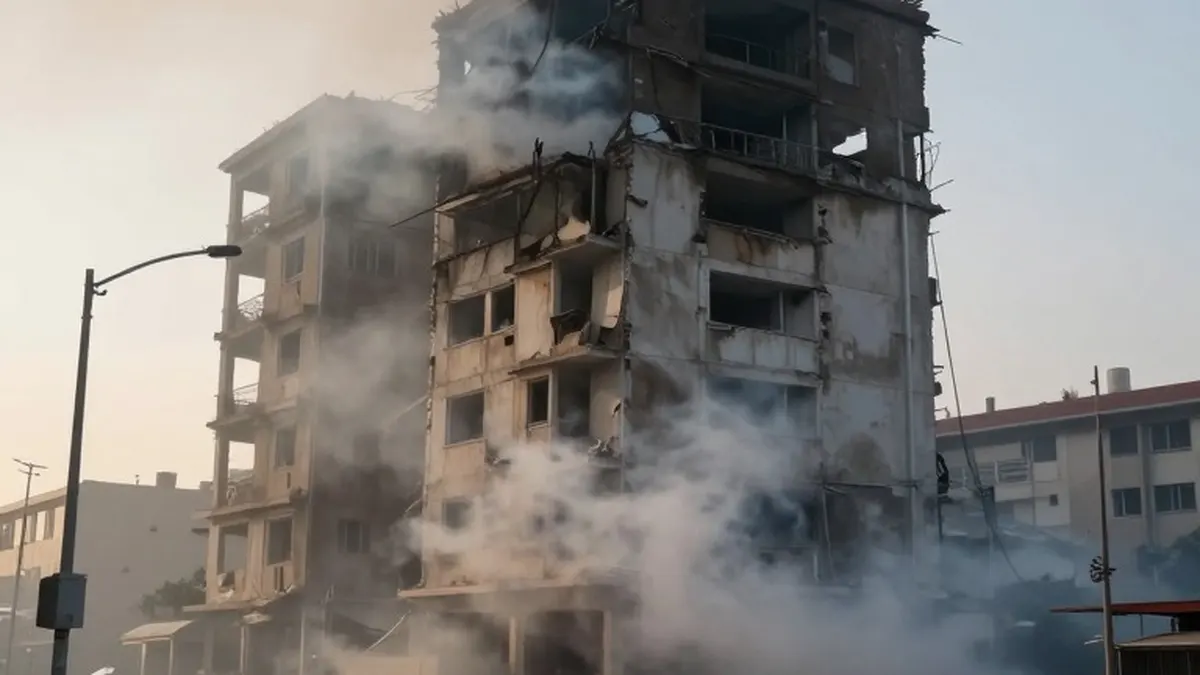
Armed clashes erupted in the remote town of Miski in northern Chad on October 14, igniting a conflict rooted in the lucrative gold deposits of the Tibesti mountains. The Chadian army accused the local self-defence committee, a group descended from traditional Tubu village guardians, of violating a peace agreement by attacking the National Brigade for the Control of Mining Activities. In response, the committee alleged that the brigade fired first and expanded mining operations into grazing lands, breaching the Bardai peace accord signed the previous year.
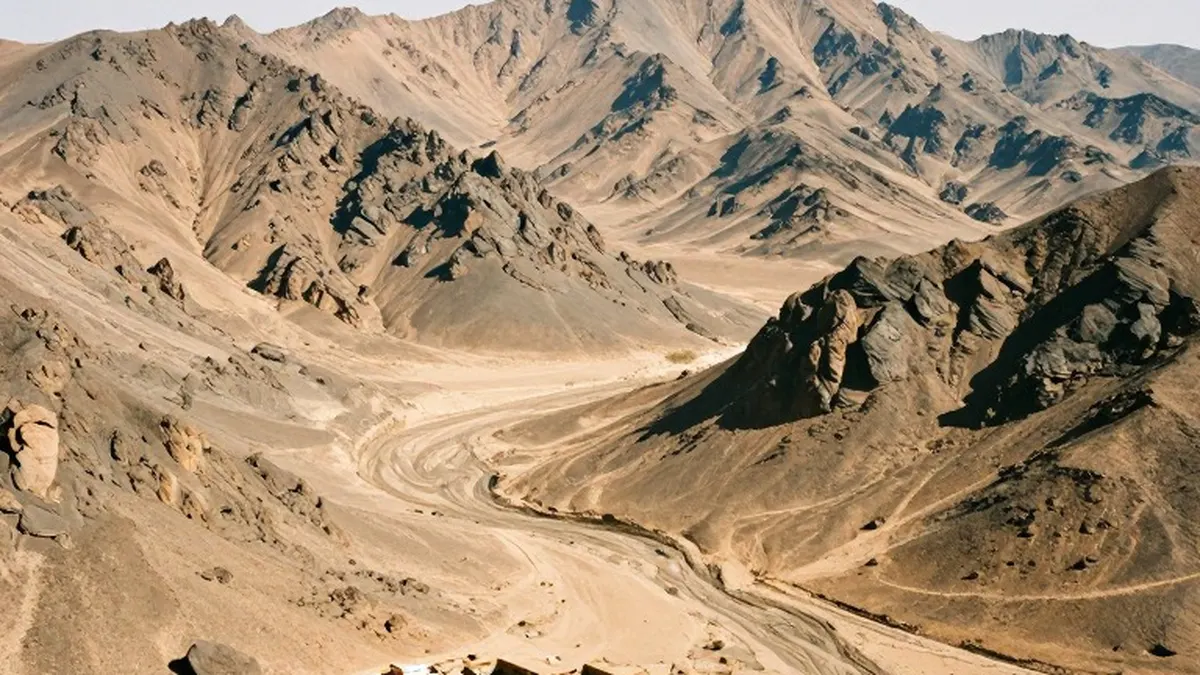
The Tibesti range, often described as the roof of the Sahara, is home to the indigenous Tubu people. For decades, the area's vast reserves of gold and antimony have driven tensions between the community and both Chadian and Libyan states. A Tubu commander noted that Chad exported over one billion dollars in gold and more than 15,000 tonnes of antimony from the region last year. However, he highlighted the disparity between the wealth extracted and the local infrastructure, stating that the town lacks a single clinic and the entire mountain range has no paved roads.
Since the fighting began, the Chadian military has deployed significant troop numbers and armoured vehicles to the area. One officer described the operational difficulties, noting that the army is effectively fighting the terrain itself. The conflict has resulted in dozens of deaths and has seen the Chadian army conduct multiple drone strikes across the mountainous region.
While the dispute appears local, it is unfolding within a critical arms corridor that links the UAE, Libya, Chad, and Sudan. United Nations investigators have documented a network transporting weapons, fuel, and fighters to the paramilitary Rapid Support Forces. Between October 2024 and the end of 2025, heavy cargo aircraft completed 458 flights between the UAE and eastern Libya, with many landing at Kufra, a town transformed into a logistics hub. Additionally, the UAE has used Amdjarass in eastern Chad for cargo landings, with Egyptian sources indicating a military operations room there coordinates with the RSF.
In November 2025, Chad and the Libyan Arab Armed Forces, backed by the UAE and de facto led by Saddam Haftar, established a joint border force covering approximately 1,050 kilometres of their shared frontier. Analysts suggest this partnership serves two purposes: securing the eastern Libyan corridor for arms transport and containing the Tubu, who have historically resisted both Chadian and Libyan authorities. The agreement was initially intended to cover the northeastern corner of Chad but expanded westward as Haftar faced challenges from Tubu-led groups like the Southern Liberation Operations Room.
The Tubu have a long history of revolt against central governments, dating back to Chad's independence in 1960. Their most recent uprising in 2021 led to the death of President Idriss Deby Itno, who was commanding forces in person. In Libya, the community has faced discriminatory practices regarding citizenship and passports, with the Libyan attorney general recently proposing to strip nationality from 28,000 registered families in the Fezzan region, a move that threatens to render many stateless.
Chad's alignment with the UAE has deepened significantly under President Mahamat Idriss Deby. The UAE has become the primary financial backer of Chad's 30 billion dollar Chad Connexion 2030 development strategy, securing over 20 billion dollars in backing. This economic lifeline has tightened Chad's dependence on Abu Dhabi while creating friction with neighbouring Niger, which has moved closer to Algeria. Algeria recently deployed troops to Niger for the first time since 1973, a move described by a retired diplomat as a counter to a destabilisation strategy involving the UAE, Morocco, Israel, and French proxies.
The situation now represents two rival blocs forming around desert borderland unrest. One side includes the Sudanese Armed Forces, Niger, Algeria, and the Tubu, while the other comprises the RSF, the Haftars, the UAE, Ethiopia, and the Chadian state. Although the conflict began as a mining dispute in a small town, it is now entangled with larger regional power struggles. A member of the Tubu defence committee expressed the community's desire for peace, justice, and transparency in mining, hoping to remain outside the broader geopolitical game.