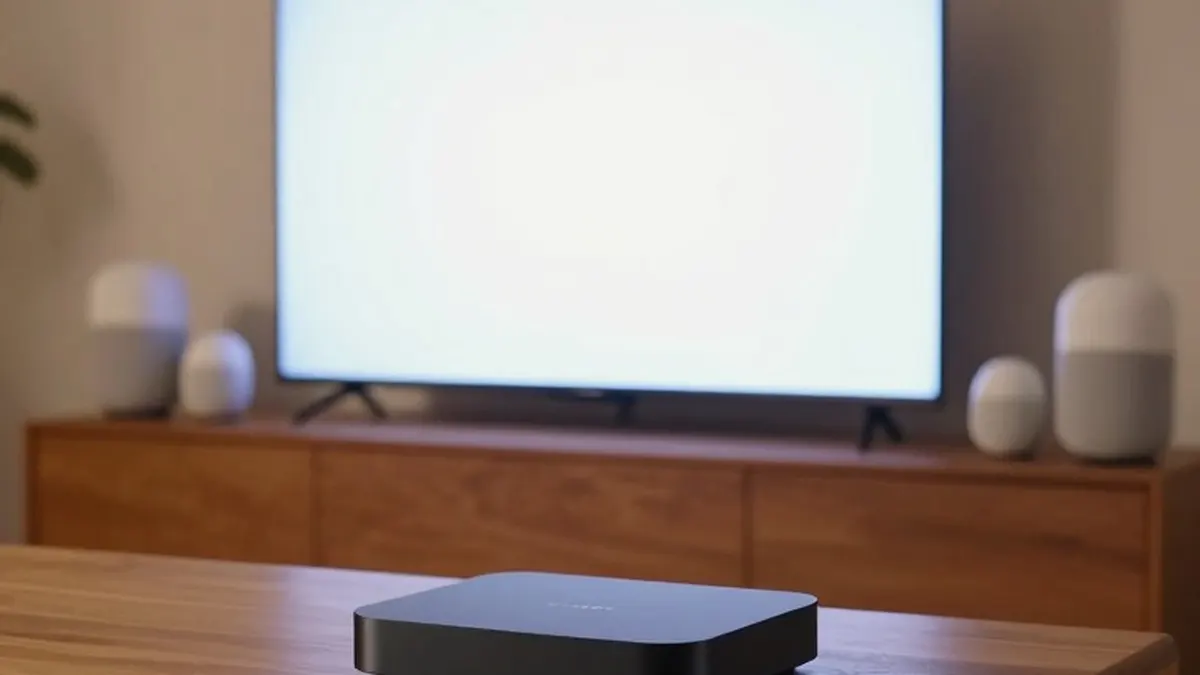
Apple has released the fourth-generation Apple TV 4K, a streaming device that arrives with a significant price increase to $300. The new model, available starting November 13, 2026, doubles or even quadruples the cost of many competing streaming boxes. While the hardware retains the same external dimensions and port configuration as the 2022 version, the internal upgrades are substantial. The device now features the A19 chip, previously seen in the iPhone 17, and comes with 128GB of storage as standard, eliminating the lower-cost 64GB option that was available in past generations.
A major highlight of the new device is its enhanced home theater capabilities. For the first time, the Apple TV 4K can support a four-speaker surround sound system using HomePods. Users can configure the setup with four second-generation HomePods, four HomePod mini 2 speakers, or a mixed pair of each, provided the front and rear speakers match. This feature allows for an immersive audio experience that far exceeds the output of standard television speakers. The calibration process is straightforward, utilizing a visual and audio guide that takes only a few minutes to complete.
In testing, the surround sound performance was impressive. The front speakers created a convincing phantom center channel for dialogue, while the rear units provided clear spatial audio for action scenes. The larger HomePods delivered substantial bass, offering a deep impact for explosions and sound effects without the need for a dedicated subwoofer. However, the Dolby Atmos experience, while present, did not fully achieve the enveloping overhead effect that dedicated high-end systems provide. Height cues were audible but did not form a complete canopy above the listener.
The device also introduces new AI features through Siri. This update brings personalized voice recognition to the Apple TV 4K, a capability that will also be available for second and third-generation models via a software update. When Apple Intelligence is enabled on a paired iPhone or iPad on the same network, the TV can recognize the user's voice to provide personalized answers. In some instances, the system successfully retrieved specific information from messages to launch requested content, demonstrating the potential of the integration.
Despite these advancements, Siri AI remains inconsistent. During testing, the voice assistant occasionally failed to recognize the user's identity or misunderstood specific commands. For example, requests to play live sports events were sometimes interpreted as music tracks by bands with similar names. While the AI can perform well when it works, it is currently described as a beta feature that requires further refinement to be consistently reliable. The new remote control also includes Find My functionality, allowing users to locate the device via their phone if it is misplaced in the home.
The new Apple TV 4K also features built-in far-field microphones, enabling users to activate Siri without the remote. This functionality works in conjunction with HomePods in the system to determine which device should respond to voice commands. The interface remains fast and easy to use, supporting both Dolby Vision and HDR10+ standards. However, the lack of audio passthrough and 120Hz support remains a notable omission for home theater enthusiasts, features that could have better justified the premium price point.
The total cost of a complete home theater setup with the new device can reach $1,300 when including the necessary speakers. This price point makes the system more accessible for users who already own HomePods, but it may be less attractive for those starting from scratch. Competitors like Sonos offer alternative surround sound systems with different strengths, including superior Atmos handling and the option to add subwoofers later. For many consumers, cheaper streaming devices from Google, Amazon, and Roku remain viable options, even if they lack the speed and ecosystem integration of Apple's offering.
Ultimately, the fourth-generation Apple TV 4K is a powerful and refined streaming box that excels in speed and user experience. It is a strong choice for those deeply invested in the Apple ecosystem who are willing to invest in premium hardware. However, for the broader market, the steep price increase and the still-developing state of Siri AI suggest that the new model does not offer enough distinct advantages over its predecessor to justify the cost for everyone.