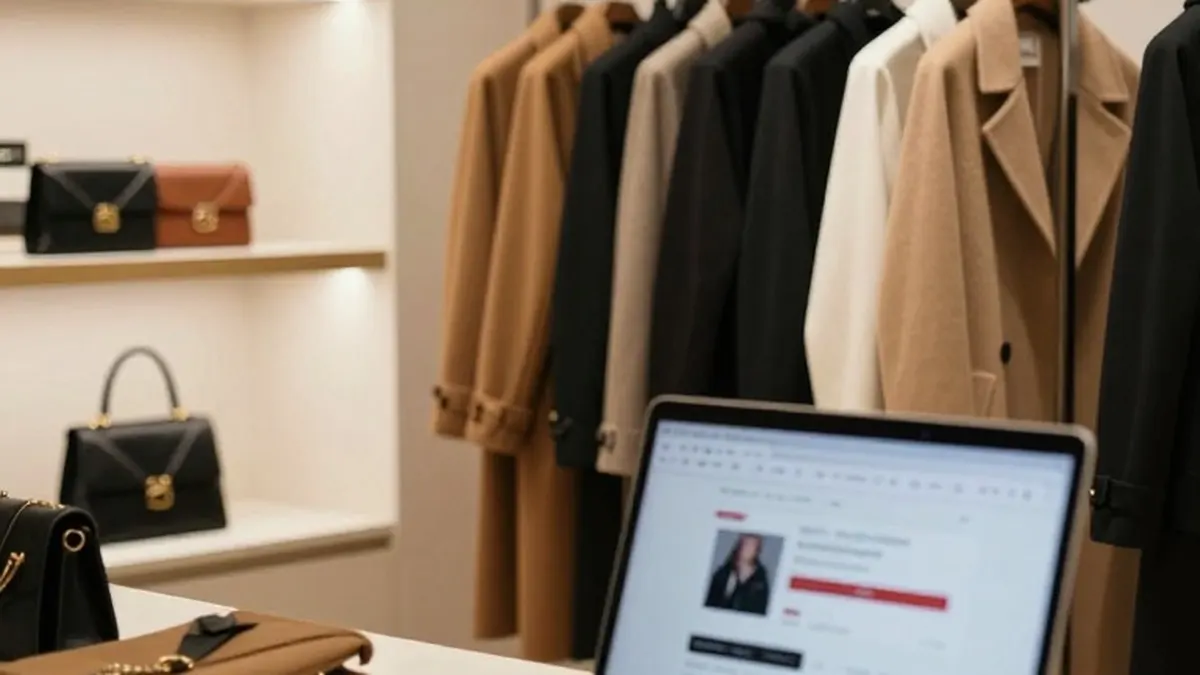
The RealReal, a luxury consignment retailer that sells secondhand designer fashion, is changing its bot defense system to make it harder for AI agents to shop on its website.
The move follows a recent report by The Verge showing that an AI agent could exploit the site's item reserve system. When a customer puts an item in a cart on The RealReal, it goes on hold for 20 minutes and cannot be bought by anyone else. Using Meta's Muse, The Verge instructed an agent to add listings back to the cart the moment each 20-minute hold lapsed. That kept other shoppers from buying the products for hours or even longer.
After the report was published, chief technology officer Luke Friang said in an email that the company had dealt with the Muse use case The Verge identified. According to Friang, the retailer's bot defense configuration now makes it much more difficult for any agent to log in, add items to a cart, and check out.
Agents will not be shut out entirely. Friang said they can still surface listings from The RealReal and send Muse users to product pages. He added that the company plans to keep strengthening its protections as AI-powered online shopping develops. Meta did not immediately respond to a request for comment.
The episode comes as technology companies promote agents as personalized assistants for billions of people, always on and ready to schedule meetings, plan parties and buy things. Shopping has so far been a natural fit. Meta said on its third-quarter earnings call this month that shopping is the most common use of Muse, with purchases averaging more than $200. The company also said 10 million people in the US downloaded the app in its first 40 days, a sign that Muse has been a hit and possibly a turning point for AI agents.
Still, software shopping in place of people could shake up the web's established balance. If users stop visiting sites directly and reach them through chatbots, businesses move one step further from their customers. Retailers, Amazon most prominently, have recognized the threat to their bottom line, advertising revenue in particular, and have blocked agents from shopping on their sites.
A wave of agents could also break or complicate features shoppers rarely think about, such as the hold system on a resale clothing site. A human has a practical limit on how long they will keep adding and re-adding an item while making up their mind. An agent does not. It is the kind of busywork a fashion-minded shopper might once have paid a personal assistant to handle.
Now that capability is available to millions of consumers, who are only starting to learn how to use it. Retailers, meanwhile, are still catching up.