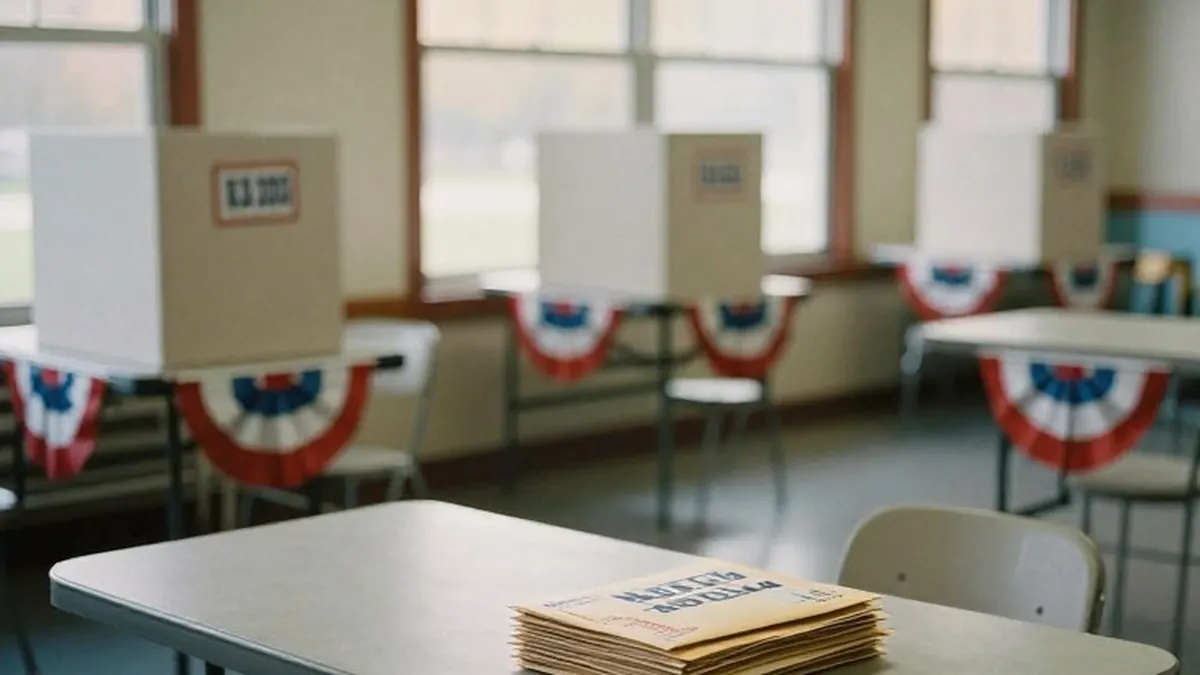
Closely contested elections could leave some results unresolved for days, CBS News election law contributor David Becker said in a Nov. 1 interview on "Face the Nation with Margaret Brennan." Becker, executive director of the Center for Election Innovation and Research, said the key factor would be the margins between candidates, with election officials working through the night to report ballots.
When a race is especially tight, more ballots must be counted before a winner can be projected with confidence, Becker explained. He singled out Alaska, where the time difference from the East Coast and the need to collect ballots from remote locations could extend the wait. A count lasting several days in a close contest would be normal, he said.
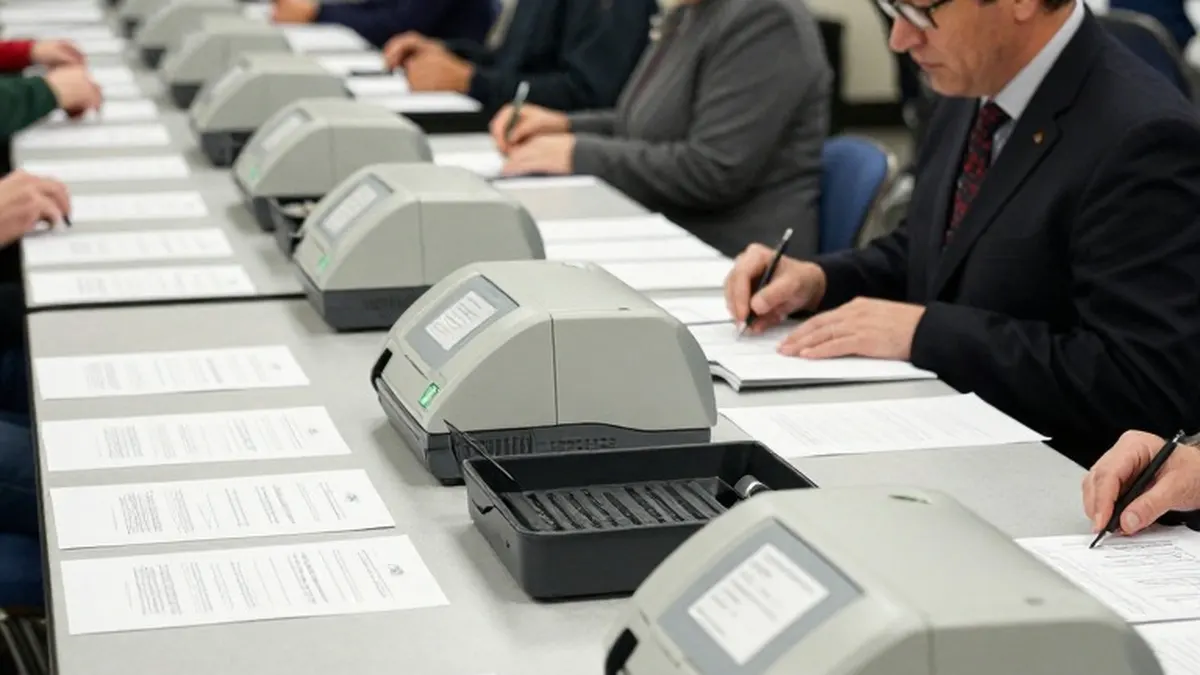
Becker said Republican and Democratic observers monitor ballot counting and the opening of mail ballots. Those observers are generally appointed by political parties and often represent candidates or campaigns, he said. He noted that thousands of monitors were present during the 2020 election despite the pandemic, describing party observation as an established part of the process.
The interview also addressed a Justice Department lawsuit seeking to stop certification of a possible Democratic victory in Alaska over alleged ballot confusion involving two candidates named Dan Sullivan. Brennan noted that incumbent Republican Sen. Dan Sullivan had said on CNN that morning that he would accept the outcome if he lost. Alaska's Republican-led government had asked a federal judge the previous day to dismiss the federal lawsuit, calling it meritless.
Becker said a federal ruling before Election Day would be welcome, but noted that Alaska's courts, including its Supreme Court, had already allowed both candidates onto the ballot. He praised state election officials' efforts to distinguish them and said ranked choice voting could help transfer votes if a voter ranked the two Sullivans first and second. Responding to Brennan's concerns about political manipulation, Becker said both parties engage in such tactics and that they should not occur.
Discussing federal scrutiny of other states, Becker criticized the Justice Department's late lawsuits over alleged noncitizens on voter lists and election procedures. He said the department had nearly two years to investigate claims but had not shared supporting information with states including California and Pennsylvania. He characterized the litigation as an effort to sow confusion and said courts, including those with Trump-appointed judges, were rejecting the cases.
Meanwhile, Becker said more than 53 million ballots had already been cast nationwide at his latest check. Against a midterm turnout record of 118 million, he expected voting before Election Day to exceed half that total and said record overall participation was possible. Texas had recorded 7.7 million ballots, he said, compared with its midterm record of 8.375 million, putting the state roughly 600,000 ballots from its previous high with Election Day still ahead.