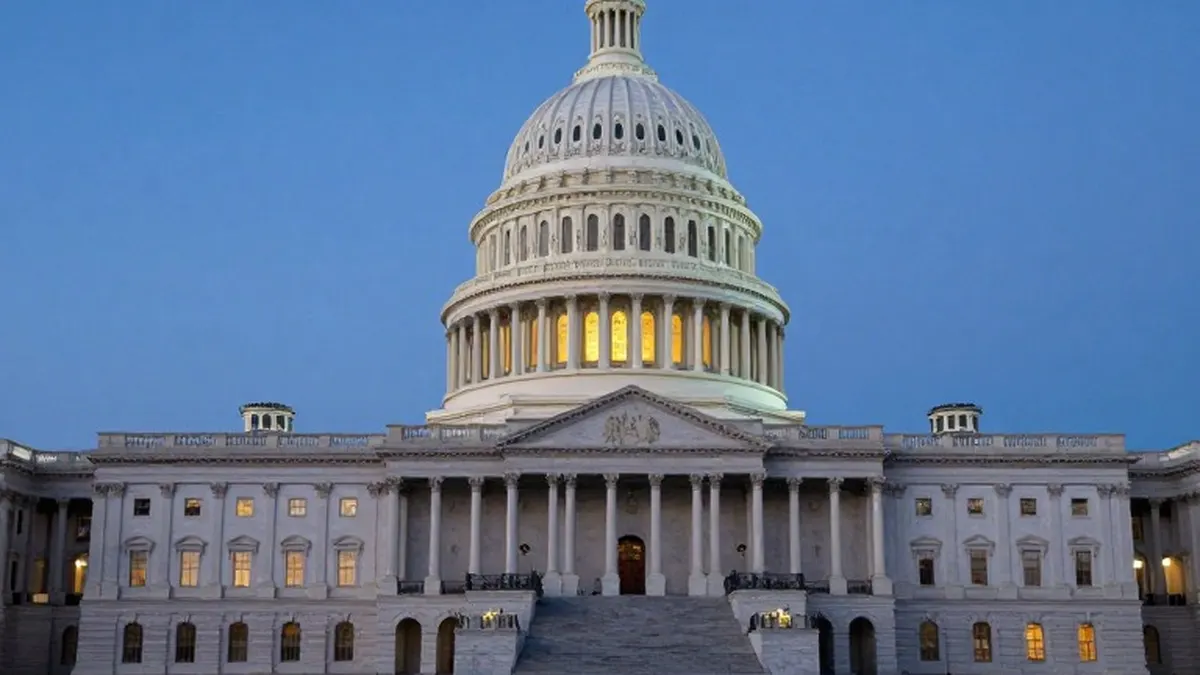
As Democrats prepare to assume control of Congress in January 2026, they are set to launch a series of investigations into President Donald Trump’s energy policies. The new majority will focus heavily on the administration's recent dealmaking in the energy sector, leveraging the subpoena power that comes with committee control to compel testimony and document disclosure.
Until now, the opposition party has been limited to sending strongly worded letters to administration officials. However, with comfortable majorities in both the House and Senate, Democrats can now pursue an aggressive oversight agenda. Rep. Frank Pallone, who is expected to chair the House Energy and Commerce Committee, stated that the panel aims to root out corruption in the sector.
A central point of contention is the administration's intervention in Venezuela's oil sector. Washington seized control of Venezuelan oil exports in January 2026 after a military operation ousted former President Nicolas Maduro. The Department of Defense subsequently took a stake in North American Blue Energy Partners, a company tasked with developing Venezuelan reserves. This deal is reported to give the United States control over 65 billion barrels of oil.
Democratic lawmakers have questioned the legal basis of this arrangement for months. In September, senators sent a letter to Defense Secretary Pete Hegseth and Energy Secretary Chris Wright regarding the deal with the oil company. Earlier in the year, House Democrats warned the industry that agreements with the U.S. on Venezuelan oil could expose companies to civil liability from creditors holding nearly $200 billion in debt to Venezuela.
Conflict of interest concerns are also driving scrutiny of deals in the critical minerals sector. The White House has justified government equity stakes in private mining companies as necessary to counter Chinese competitors and support national security. However, Democratic senators have pointed to the involvement of Cantor Fitzgerald in several deals. Commerce Secretary Howard Lutnick, who previously led Cantor Fitzgerald, divested his personal holdings after joining the cabinet and transferred control to his sons.
In a July letter, Democratic senators demanded that the federal government preserve records related to deals involving 14 companies. Lutnick dismissed the concerns in a September interview, stating that he does not worry when he has done nothing wrong. He described the scrutiny as a waste of time and a way to create issues that do not exist.
The administration's cancellation of renewable energy projects funded by the previous administration is another area of focus. Democrats are pressing the White House on nearly $8 billion in energy projects that were cancelled in states that supported Vice President Kamala Harris in the 2024 presidential election. Energy Secretary Chris Wright has told Congress that these cancellations were not based on political considerations, a claim several House Democrats have disputed.
Specific attention is being paid to the administration's efforts to limit offshore wind power. The Department of the Interior paid TotalEnergies nearly $1 billion to cancel an offshore wind project and stop investing in similar U.S. projects in the future. In exchange, the French energy company agreed to invest in natural gas. Ranking Democrats on the natural resources and judiciary committees have called the deal unlawful and launched an investigation into the matter in April.
The political shift is also impacting the market. Crude oil prices fell sharply this week as traders anticipated that the Democratic victory might push the administration to negotiate a deal with Iran. House Minority Leader Hakeem Jeffries, who is expected to become Speaker of the House, said Democrats will move to end the war in Iran, which has driven up fuel prices. Analysts suggest gasoline prices could drop below $4 per gallon in the coming weeks, though some experts warn that military escalation in the Middle East remains a possibility.
While Democrats are unlikely to restore tax credits for renewable energy due to the president's veto power, they plan to use their new authority to examine the legal and financial implications of the administration's energy strategies. The coming months will test the extent of the new congressional majority's ability to influence federal energy policy.