Members of the U.S. administration have intensified efforts to reassure the American public following a week of significant technology outages. Although President Donald Trump initially dismissed the incidents, officials are now actively seeking to dispel fears that the disruptions indicate a deeper systemic problem or a coordinated attack.
The recent series of failures has included the grounding of 20,000 flights, a two-day shutdown of Microsoft services, issues with online banking transactions, and a temporary offline status for the National Security Agency's classified communications network. These events all occurred within a six-day period, prompting widespread speculation about their underlying causes.
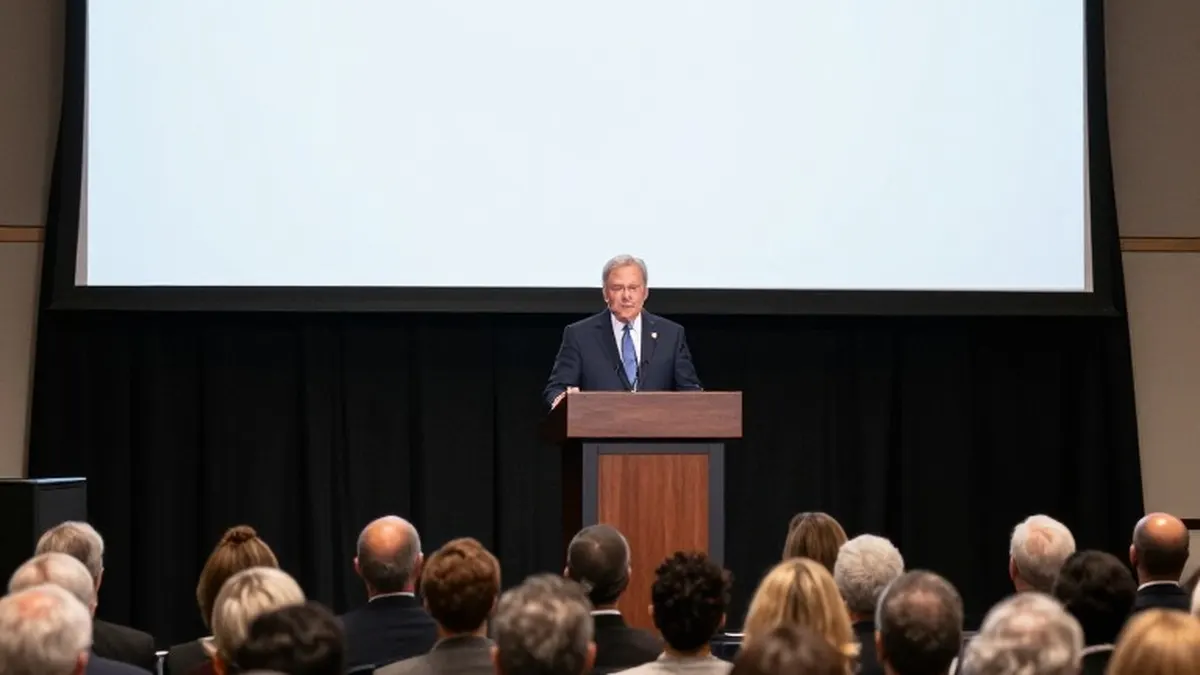
Jay Clayton, the director of national intelligence, addressed the issue during a House committee hearing on homeland security. He stated that the outages were the result of maintenance and technical changes rather than a state-sponsored or coordinated cyberattack. Clayton acknowledged that the timing of the incidents naturally raises questions, but he emphasized that a thorough review found them to be separate service failures.
President Trump, who has been largely silent on the matter, previously downplayed the disruptions while attending the Asia-Pacific Economic Co-operation summit in Manila. When asked about his concerns, he remarked that such things happen when an entity is large and powerful, suggesting the situation was under control. However, this message did little to ease the nerves of many Americans who experienced work and travel interruptions.
Katherine Clark, the senior Democrat in the House, criticized the President's response, arguing that Americans are feeling insecure about their safety and deserve more than casual comments from the commander-in-chief. Even Karoline Leavitt, a former White House press secretary and current media pundit, urged the administration to be more transparent and work to calm the public mood.
The White House has been operating without a full-time press secretary for three months, relying on cabinet members to communicate its position. Homeland Security Secretary Markwayne Mullin testified alongside Clayton and admitted that he had never seen such a high concentration of technology outages in a short timeframe. He suggested that companies need to improve their communication during upgrades that can trigger these issues.
Lawmakers expressed skepticism during the hearing. Republican Congressman Eli Crane questioned the confidence behind the claim that the outages were not cyberattacks. Clayton responded that the administration had used available tools to investigate each incident and found no evidence of a coordinated attack. Mullin acknowledged the unprecedented nature of the recent failures.
Signs of internal concern were evident when Vice President JD Vance abruptly cancelled his scheduled appearance at a New York Times event to attend meetings at the White House. This move suggested that the administration is closely monitoring the public reaction and coordinating its response strategy.
Consumer behavior has also shifted in response to the disruptions. Reports indicate that some Americans are stocking up on essentials, a trend that has affected retail stock performance. Costco noted a rise in purchases of emergency preparedness items, although the company stated this trend began in late October, prior to the recent outages.
Experts suggest that while the specific cause of the failures may not be a cyberattack, the severe consequences highlight the need for better guardrails. Jordan Rae Kelly, a former National Security Council official, emphasized that the widespread attention will force important conversations about preventing future outages. Meanwhile, cybersecurity analysts warn that as technology updates become more frequent, such disruptions may continue to occur and potentially accelerate.