President Trump is scheduled to hold a press conference at the White House at noon on Friday, November 20, 2026. The briefing will follow his return to Washington after a four day trip to Asia. During this excursion, the president engaged in a rare three way meeting with Chinese President Xi Jinping and Russian President Vladimir Putin.
Although it is standard protocol for U.S. presidents to take questions during foreign trips, Trump did not formally address the media while in China. In contrast, President Putin did hold a press conference before departing the country. The White House stated that the president will discuss the historic meetings held in China as well as trade agreements reached earlier in the trip. Those agreements were finalized in the Philippines, where Trump arrived for the final segment of a summit with South Asian leaders.
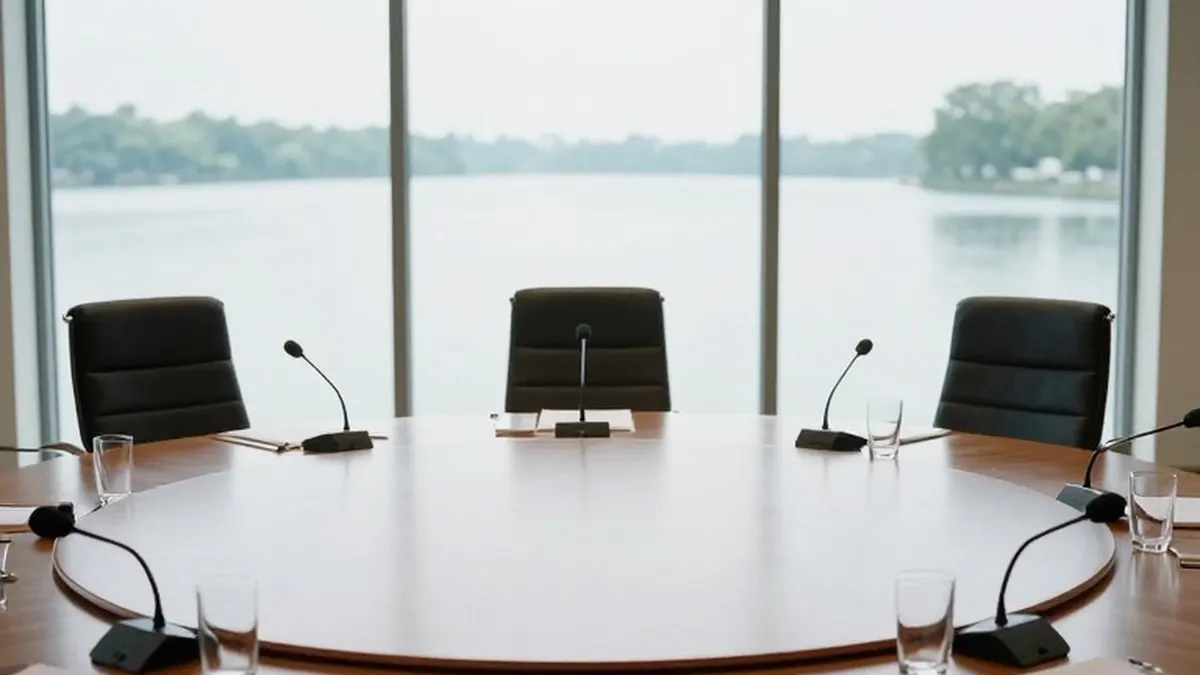
The three leaders, who command the world's largest nuclear arsenals, convened at a lakeside resort in Shenzhen, China. They gathered around a large round wooden table to discuss key global issues, including nuclear proliferation, the situation in Iran, and broader international relations. While the event featured prominent displays of power, observers noted few signs that either Xi or Putin was prepared to make significant concessions to the U.S. president.
Suzanne Maloney, vice president and director of the foreign policy program at the Brookings Institution, analyzed the diplomatic optics of the visit. She stated that the trip allowed the president to bask in the glow of great power amity following a bruising domestic election outcome. Maloney argued that Trump sought validation of his standing as a historical figure through direct engagement with Xi and Putin, a goal she believes the photo opportunity successfully provided.
Foreign trips of this nature are often characterized by extensive choreography and pomp. Aides typically work months in advance to secure specific agreements. However, the arrival of Trump in China included traditional ceremonial elements such as a military flyover and performances by young dancers, yet the visit did not appear to focus primarily on locking down new commitments.
For President Xi, the meeting served to highlight China's global leadership role by bringing together the world's greatest nuclear powers. For President Putin, the occasion provided an opportunity to reestablish Russia as a major geopolitical force on par with China and the United States. For Trump, the trip offered a chance to demonstrate his ongoing power and turn the page after being weakened domestically by the recent midterm elections.
In his opening remarks alongside the other two leaders, Trump emphasized that the trio was making history. He expressed a belief that they had a responsibility to the rest of the world to maintain open and respectful dialogue. Trump noted that past leaders often avoided nations with whom they disagreed, but he felt the opposite approach was necessary. He remarked that no problems were ever solved by refusing to talk and that peace was never forged by declining opportunities for engagement.
Despite the prevalence of kind words and mutual praise, the lack of tangible deliverables from the talks has raised questions about the president's foreign policy approach. Trump has spent recent years attempting to replace the postwar rules based order, favoring a personal style of diplomacy and direct deals with superpowers. The visit may suggest that personal access does not always guarantee concrete results.
Xi and Putin possess their own strategic objectives that are unlikely to shift solely based on personal friendliness with Trump. Maloney pointed out that both leaders must calculate whether any agreements reached will survive domestic scrutiny or a future change in U.S. administration. She concluded that both Putin and Xi recognize that President Trump's political command is beginning to wane, leading them to look toward who may follow him in the coming years.