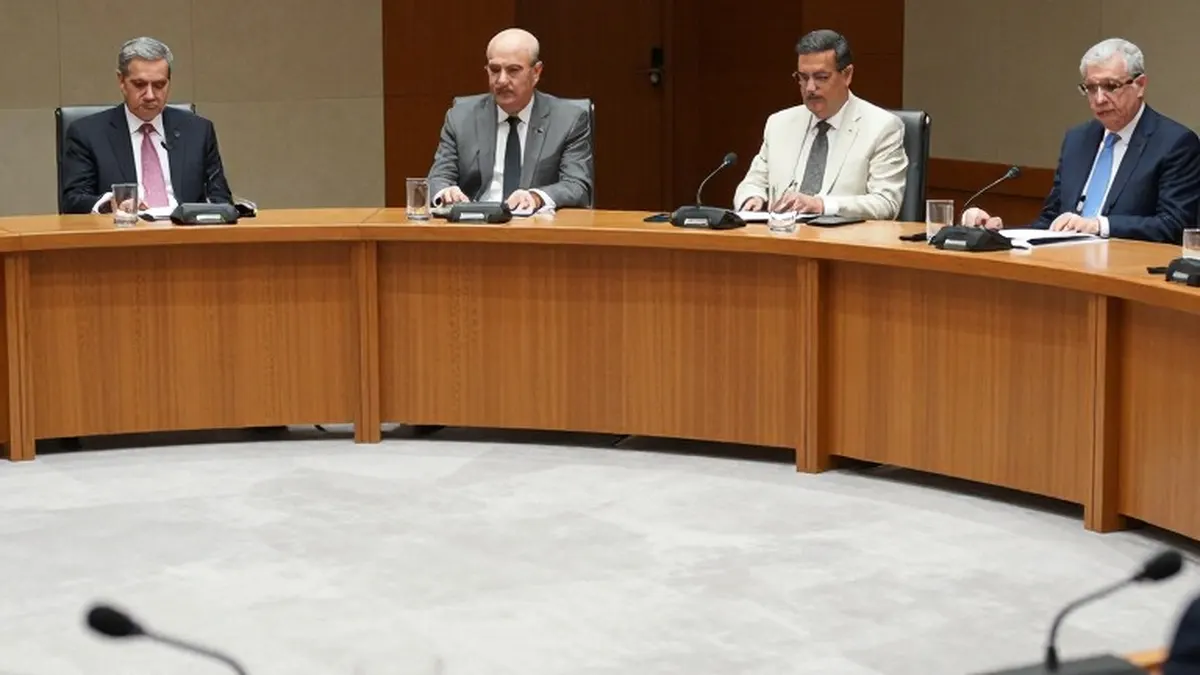
The United Arab Emirates hopes diplomacy can bring an end to the conflict with Iran, presidential diplomatic adviser Anwar Gargash told a regional security conference in Bahrain, according to a report published by UAE outlet Al-Ain on Sunday, November 1. He said the security of Gulf countries was closely linked and expressed the Emirates’ desire to see the Middle East war end.
Gargash spoke at the 22nd annual Manama Dialogue, a two-day gathering organized over the weekend by the International Institute for Strategic Studies. The conference brings together regional leaders and policymakers to discuss security and developments in the Middle East. Gargash said events affecting other Gulf states also affected the UAE, while acknowledging that confidence in Iran had deteriorated.
He expressed hope for a diplomatic opening but said the Emirates was also preparing for the worst. His remarks came as speculation about further war continued ahead of US midterm elections and Israeli parties worked to form a coalition government following their election. Gargash also sought a return to conditions in the Strait of Hormuz before US and Israeli strikes on Iran began on February 28. Iran has attacked ships since the war started.
Syria’s Foreign Affairs and Expatriates Minister Asaad Hassan al-Shaibani also emphasized diplomacy at the Manama gathering. According to Syrian state media, he said negotiations offered the best route to peaceful, secure relations with all parties. He accused Israel of conducting thousands of airstrikes and provocative ground actions against Syria and its people, and said US mediation to halt Israeli attacks could produce benefits for all sides.
Shaibani described Syria as beginning a new phase amid tensions with Jordan during the preceding week. Discussing recovery and reconstruction, he cited World Bank estimates that rebuilding war damage would cost approximately $250 billion, the Syrian state news agency SANA reported. He also joined a session on regional security and met on Saturday with Bahrain’s national security adviser and Royal Guard commander, Lt. Gen. Sheikh Nasser bin Hamad Al Khalifa.
Separately, Syrian Defense Minister Maj.-Gen. Murhaf Abu Qasra met Qatar’s deputy prime minister and defense minister, Saoud bin Abdulrahman Al Thani. Qatar has been a major supporter of Syria’s new government. SANA said the ministers discussed regional and international developments, bilateral cooperation and shared concerns, following a telephone conversation on August 4 about coordination and regional stability.
Meanwhile, the Saudi-led military coalition announced in Riyadh that it had conducted an operation on Sunday morning against resources it said the Houthis used to support attacks on civilians and civilian infrastructure. Coalition spokesman Turki Al-Maliki said the operation addressed threats to Yemen, Saudi Arabia and shipping routes in the southern Red Sea.
According to Arab News, Al-Maliki accused the Iran-backed Houthis of diverting vital resources to strengthen their military capabilities, particularly ballistic missiles and drones. The coalition said its operation responded to attacks and the danger they posed to civilian lives and infrastructure.