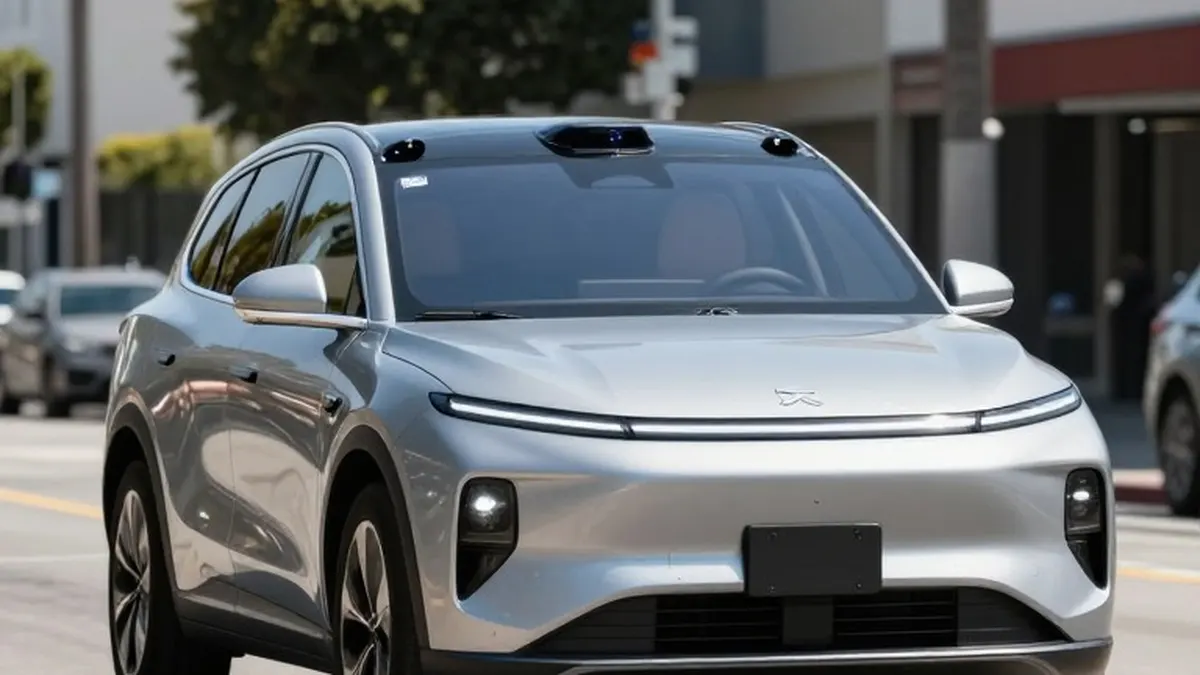
Uber, Nuro, and Lucid have officially commenced fully driverless public road testing in the San Francisco Bay Area. This significant move marks the removal of human safety drivers from Lucid Gravity SUVs, a critical step toward an anticipated commercial debut in early 2027. The initiative represents a strategic pivot for Uber, which is aggressively pursuing a comeback in the autonomous ride-hailing sector after previously abandoning its own in-house development efforts.
The three-way alliance, first revealed in July 2025, aims to clear essential regulatory and operational hurdles for a public launch. The timeline for this debut has shifted slightly, moving from an original target of late 2026 to early 2027. Once operational, the service will place Uber in direct competition with established players such as Waymo and Zoox, specifically on their home territory in the Bay Area.
Current testing activities are focused on four cities in the South Bay region: Palo Alto, Mountain View, Los Altos, and Sunnyvale. The partnership plans to expand operations across the broader Bay Area during the coming year. To support this expansion, Lucid has delivered more than 100 upgraded Gravity SUVs to the program. This increase follows the presence of 75 engineering vehicles on the road earlier in the year.
Lucid began constructing pre-production models in October of this year to satisfy regulatory safety approvals. The automaker intends to begin manufacturing the actual commercial fleet within the next few weeks. Each vehicle is equipped with Nuro’s Level 4 Nuro Driver system, which integrates cameras, solid-state lidar, and radar. A distinctive roof-mounted LED halo is also included, designed to display a rider’s initials and current pickup status.
The decision to remove human backup operators follows nearly a year of supervised testing conducted around the clock in both the Bay Area and Houston. Prior to releasing the vehicles onto public streets without supervision, Nuro subjected its software to intensive testing in high-risk edge cases on a closed track in Las Vegas. This process was designed to verify that the system could manage the unpredictable complexities of real-world driving conditions.
Passengers in the Bay Area are expected to have access to these robotaxis through the Uber app in the first quarter of 2027. Houston is slated to receive the service later in the same year. Looking toward the long term, Uber has committed to purchasing at least 35,000 Lucid vehicles over the coming years. This acquisition includes the automaker’s upcoming midsize model, as the company works to scale a global autonomous fleet.
The transition to fully driverless operations signals a major confidence boost from the partners, who believe the technology is now mature enough for public use. The collaboration leverages Lucid’s hardware, Nuro’s software expertise, and Uber’s platform reach to create a comprehensive autonomous ride-hailing solution. This joint effort highlights the growing trend among major automotive and tech companies to form alliances rather than developing all components independently.
As the testing progresses, the focus will shift from proving safety in controlled environments to demonstrating reliability in everyday urban settings. The inclusion of employee-only rides shortly after the start of public testing will provide additional data points before the general public gains access. This phased approach allows the teams to refine the user experience and address any emerging issues before the full commercial rollout.
The competitive landscape for autonomous vehicles continues to intensify, with several major players vying for market share. Uber’s partnership with Nuro and Lucid positions it as a key contender in the space, leveraging established technology to accelerate its entry. The success of this initiative will likely influence future investments and strategies across the industry as the sector moves closer to widespread adoption.
With the commercial launch now on the horizon for early 2027, all three companies are aligned in their goal to deliver a seamless and safe autonomous driving experience. The removal of safety drivers is a symbolic and practical milestone, indicating that the technology has moved beyond the experimental phase. As the fleet expands and testing continues, the next few months will be crucial in determining the pace of this new era in urban transportation.