British officials opposed putting slavery reparations on the Commonwealth summit agenda and raised the possibility that prime minister Andy Burnham would stay away if the subject was formally included, according to Ralph Gonsalves, the former prime minister of St Vincent and the Grenadines. His account came as leaders gathered in Antigua and Barbuda for the meeting beginning on Sunday, November 1.
Gonsalves, a senior figure in the reparatory justice movement Repair Campaign, told the Guardian that Canadian officials had supported the British position. He also accused officials of falsely suggesting that India opposed including reparations, pointing to its support for a UN general assembly resolution on March 25, 2026. The British government did not immediately comment.
Reparations remains outside the official agenda of the Commonwealth Heads of Government summit. The stated priorities for the 56-nation organisation include trade, climate resilience and finance, sustainable debt, democracy and opportunities for young people. Gonsalves said sustained campaigning across the Caribbean, Africa and Britain had nevertheless made reparatory justice an unavoidable subject for the gathering.
On Friday, Burnham announced in a Guardian opinion article that Britain would enter structured dialogue and consider an apology, going further than previous British prime ministers. Gonsalves welcomed the move while saying Britain had come to the discussion “kicking and screaming”. He expected leaders to discuss the dialogue’s format and details during their private retreat, although the structured talks themselves were unlikely to take place at the summit.
Caribbean governments welcomed the announcement but continued to emphasise the need to agree on forms of reparations. Prof Sir Hilary Beckles, chair of the Caribbean Community Reparations Commission, described the gathering as “the Chogm of reparations” and said reparatory justice was the Caribbean’s leading priority.
Guyana’s president, Irfaan Ali, proposed a Commonwealth subcommittee to develop the arrangements for dialogue over the next six to 12 months. He said discussions should go beyond assigning a monetary value to slavery’s indignity and address its developmental consequences. That could involve Britain and its financial institutions working with countries to identify gaps in health, education, social services and infrastructure.
Barbados’s prime minister, Mia Mottley, welcomed Burnham’s initiative while acknowledging continuing differences over reparations. She identified an apology, health and education investment, action on systemic poverty and inequality, and fairer debt terms as possible areas of agreement. Bahamas prime minister Philip Davis also stressed that the discussions concerned slavery’s continuing effects and the need for acknowledgment, justice and meaningful redress.
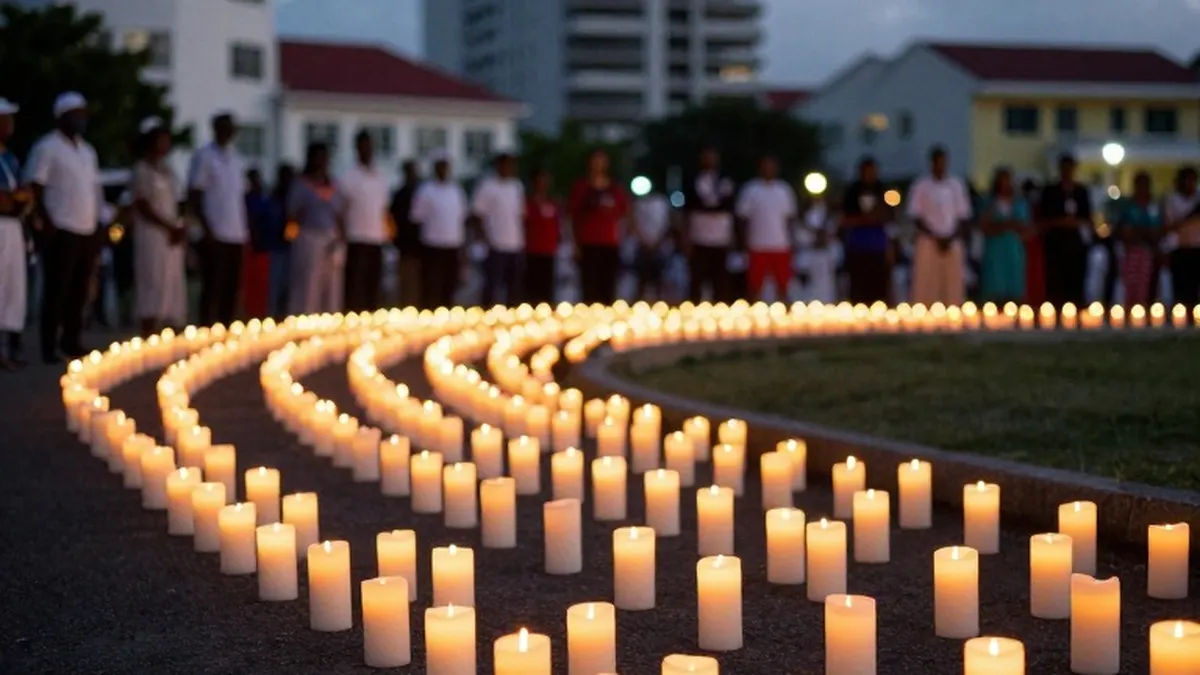
The summit opens on the 45th anniversary of Antigua and Barbuda’s independence from British colonial rule. King Charles is indicating that he will not offer a full apology. He and Burnham face protests as they travel through St John’s for summit events, with calls for an apology and reparations appearing on billboards, placards and T-shirts, in letters and at a candlelight vigil commemorating Africans trafficked to the country.
On Sunday, Kemi Badenoch told broadcasters that an apology for Britain’s involvement in the transatlantic slave trade would be a distraction, saying people across every continent and region had participated in slavery. Gonsalves said he wanted to discuss reparatory justice with her, including its potential to help address fractures associated with Britain’s multicultural and ethnic tensions.