The General Staff of the Armed Forces of Ukraine announced on 21 November that its defence forces conducted a series of strikes against Russian military infrastructure during the previous day and the night of 20-21 November. The operations targeted multiple locations within Russian-occupied territories, including Crimea, Zaporizhzhia Oblast, Donetsk Oblast, and Luhansk.
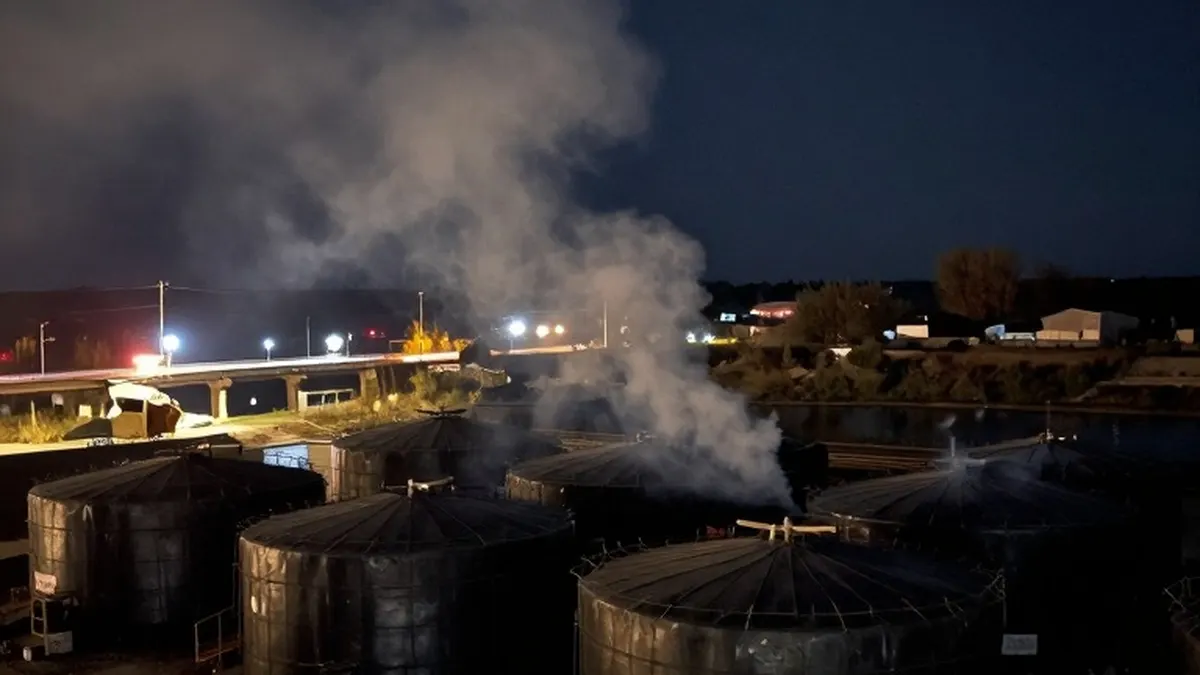
Among the primary targets was an ammunition depot belonging to a Russian unit located near the settlement of Pervomaiske in occupied Crimea. The attack on this storage facility was part of a broader coordinated effort to disrupt Russian logistics and supply chains in the region.
In addition to the depot in Crimea, Ukrainian forces struck two separate Russian command posts. One post was situated near the settlement of Pryshyb in Zaporizhzhia Oblast, while the other was located near Ukrainsk in Donetsk Oblast. These strikes aimed to degrade the command and control capabilities of Russian forces in those specific areas.
A significant infrastructure target was a road bridge spanning the Siverskyi Donets River near occupied Luhansk. According to the General Staff, Russian military units utilize this crossing to transport essential supplies, including fuel, ammunition, and heavy equipment, to the front lines. The destruction or damage of such a bridge is intended to slow down the movement of reinforcements and materiel.
The General Staff noted that the full extent of the damage inflicted on these targets is currently being assessed. Military officials are working to verify the impact of the strikes on the operational readiness of the affected Russian units and infrastructure.
The strikes come at a time when Russian-occupied Crimea is facing significant challenges with its power grid. Reports indicate widespread power outages across the region, with settlements in five different districts and parts of Bilohirsk left without electricity. These energy disruptions may complicate Russian efforts to maintain stability and support their military operations in the peninsula.
The General Staff confirmed that these operations were carried out by various units of the Ukrainian defence forces. The timing of the attacks, spanning from 20 November into the early hours of 21 November, allowed for a sustained pressure on multiple fronts simultaneously.
The targeting of the bridge near Luhansk is particularly notable given its role in the supply network for Russian forces. By hitting the Siverskyi Donets crossing, Ukrainian forces aim to create bottlenecks in the flow of resources needed to sustain the offensive or defensive positions held by Russian troops in the east.
The strikes on command posts in Zaporizhzhia and Donetsk Oblast further illustrate the ongoing effort to weaken the hierarchical structure of the Russian military presence. Disrupting communication and coordination centers can lead to confusion and reduced effectiveness among front-line units.
As the assessment of damage continues, the Ukrainian military has highlighted the importance of these strikes in maintaining pressure on Russian logistics. The combination of hitting storage facilities, command nodes, and transport links represents a multi-layered approach to degrading the enemy's operational capacity.