Fiber-optic drones have become a ubiquitous feature of the battlefield in Ukraine, with operators tethered to their machines by miles of cable so thin it resembles fishing line. These physical connections render the drones impervious to electronic jamming, a significant advantage over radio-controlled counterparts. However, the procurement of this essential material has become increasingly difficult and expensive as global demand from the artificial intelligence sector intensifies competition for the same limited supply of optical fiber.
Since Russia launched its full-scale invasion in February 2022, Ukrainian forces have been compelled to innovate continuously to counter evolving threats. This has led to the widespread development and use of first-person view quadcopters and heavier drone models. While the Russian military initially deployed unjammable fiber-optic drones to repel the Ukrainian incursion into the Kursk Oblast in 2024, Ukrainian forces quickly adopted the technology to neutralize the threat of electronic warfare jamming.
Both nations rely heavily on Chinese suppliers for off-the-shelf drones and various components, including bulk orders of fiber wound onto large spools or smaller finished units ready for installation. According to the independent Russian publication The Insider, these finished spools contain enough cable to allow drones to operate at ranges of dozens of miles, with extreme cases reaching up to 62 miles or 100 kilometers.
The consumption rate of this material is staggering. Estimates suggest that Russia and Ukraine are currently producing approximately 50,000 fiber-optic drones per month. Because the cable is often lost or tangled in the field, the optical fiber effectively functions as a one-time battlefield consumable, requiring constant replenishment.
China’s economic and security relationships with Russia have allowed Moscow to secure significantly larger volumes of fiber-optic cable than its neighbor. Official customs data from China indicates a disparity in imports that reflects the scale of the conflict and the logistical support available to each side.
The difference in procurement volumes is stark. In August 2025 alone, Russia imported 328,000 miles of fiber-optic cable from Chinese companies. In contrast, Ukraine received only 72 miles of cable from the same suppliers during that period, as reported by The Washington Post. This gap highlights the logistical challenges facing Ukrainian drone makers.
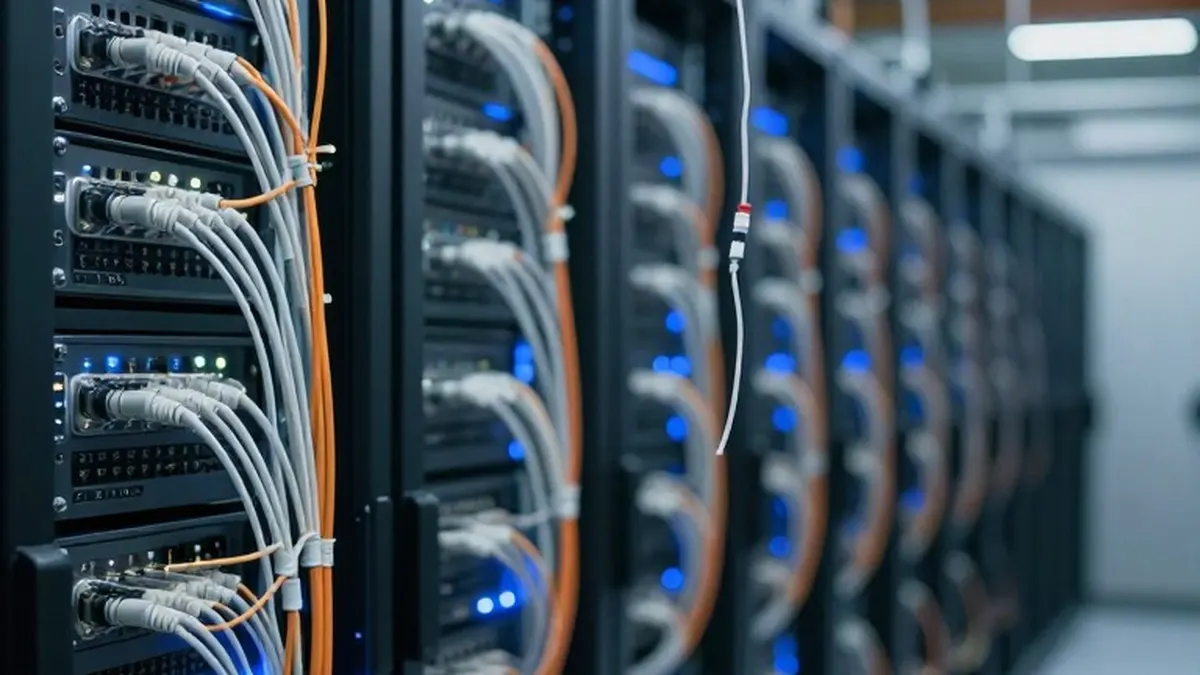
The surge in demand for optical fiber is not solely driven by the war in Eastern Europe. The rapid expansion of AI data centers worldwide has created a global shortage of the material. Data centers require vast networks of high-speed connections, and the fiber used for these links is the same type utilized in the drones. This dual demand is squeezing the supply chain and driving up prices for importers.
Ukrainian manufacturers are now adapting to these market pressures. With the cost of importing fiber rising due to competition with the tech sector, local producers are seeking new strategies to maintain their output. The interplay between modern warfare and the digital economy has turned a standard telecommunications component into a critical strategic resource.
The situation underscores the complex global dependencies in modern conflict. What began as a tactical innovation to bypass jamming has evolved into a supply chain challenge involving multiple continents and industries. As AI infrastructure continues to grow, the cost of maintaining these advanced drone capabilities may continue to climb.
For now, the tangled remnants of these cables remain scattered across the fields and forests of Ukraine, serving as a physical testament to the changing nature of warfare. The battle for control of the skies is increasingly being fought in the supply chains of the global technology sector.