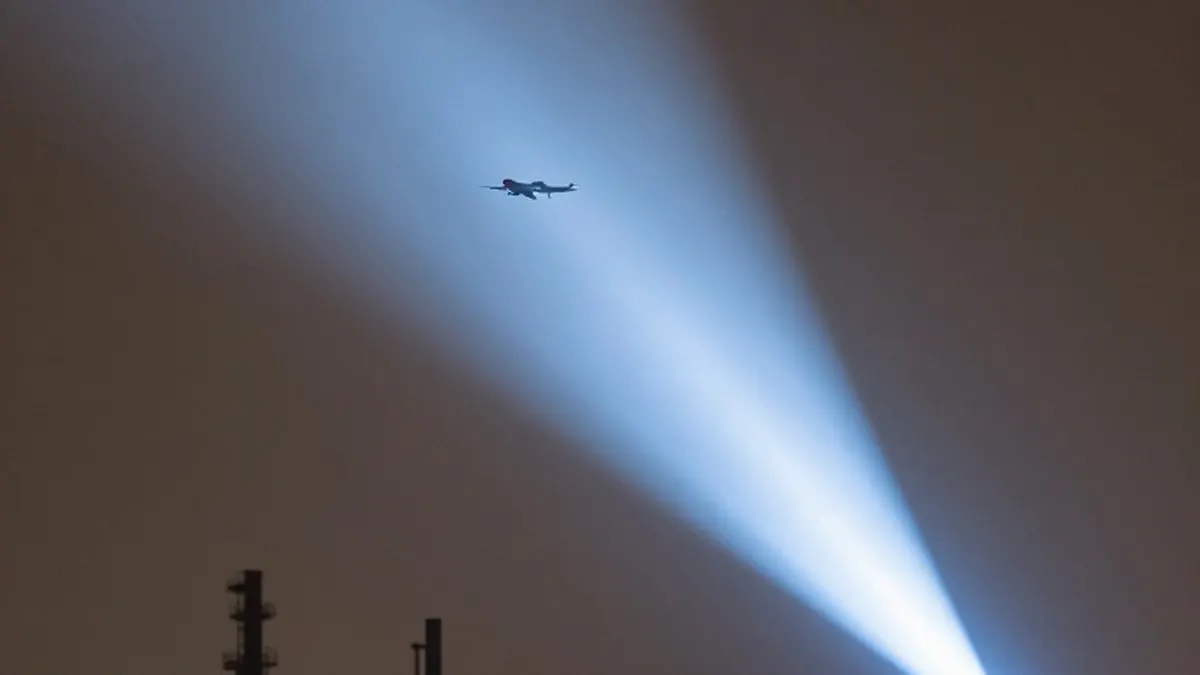
Ukrainian defense forces have achieved a significant technological milestone by successfully intercepting a Russian jet-powered Geran drone using a combat laser system. This marks the first confirmed instance of such a drone being downed by laser technology in active combat conditions. The event highlights the growing role of directed energy weapons in Ukraine's air defense strategy against increasingly sophisticated aerial threats.
Serhii Beskrestnov, a radio technology expert and adviser to the president of Ukraine, provided the confirmation. He stated that the specific drone was hit by the Blysk laser air defense system. This system was developed by the Ukrainian company Carmine Sky. At the time of the interception, the system was deployed to protect a critical infrastructure facility from incoming attacks.
Beskrestnov emphasized the historical nature of the event, noting that while many lasers have been tested, this is the first verified downing of a jet-powered variant of the Geran drone. The successful engagement demonstrates the practical viability of laser defense systems in real-world scenarios, moving beyond theoretical or limited trial phases.
In his assessment, Beskrestnov acknowledged the complexity and high cost associated with developing laser technologies for air defense. He remarked that it is gratifying to see positive results from the several Ukrainian companies currently working in this field. However, he cautioned that the technology is not yet ready for mass production. Currently, lasers are being used to protect critical infrastructure during ongoing trials, serving as a bridge until full-scale deployment becomes feasible.
The development of anti-drone laser systems is part of a broader initiative within the private air defense project and the Brave1 defense tech cluster. These initiatives aim to diversify Ukraine's air defense capabilities and reduce reliance on traditional ammunition-based systems, which can be costly and logistically challenging to sustain during prolonged conflicts.
The interception comes as Ukraine continues to face a high volume of drone attacks. According to recent reports from the Ukrainian General Staff, defense forces downed or jammed 4,859 of the 6,473 Shahed-type strike drones that Russia used during October 2026. This statistic underscores the persistent pressure on Ukrainian air defenses and the urgent need for effective countermeasures.
Another notable development in the sector involves the Ukrainian company SpaceRay. The firm has developed the SpaceRay SA, a handheld tracking and targeting system designed for mobile air defense fire groups. This device uses laser designation to help engage targets, complementing the broader ecosystem of laser-based defense tools being integrated into the country's military infrastructure.
The successful use of the Blysk system provides valuable data for future upgrades and potential scaling of laser defense networks. As trials continue, military officials will likely evaluate the system's performance against various types of aerial threats to determine its suitability for wider deployment across the country.