United Nations Secretary-General Antonio Guterres warned on Sunday, November 1, that hostilities could escalate in Western Sahara following the end of a peacekeeping mission that had operated for 35 years. His spokesperson, Stephane Dujarric, said the UN chief remained concerned about security across the disputed territory.
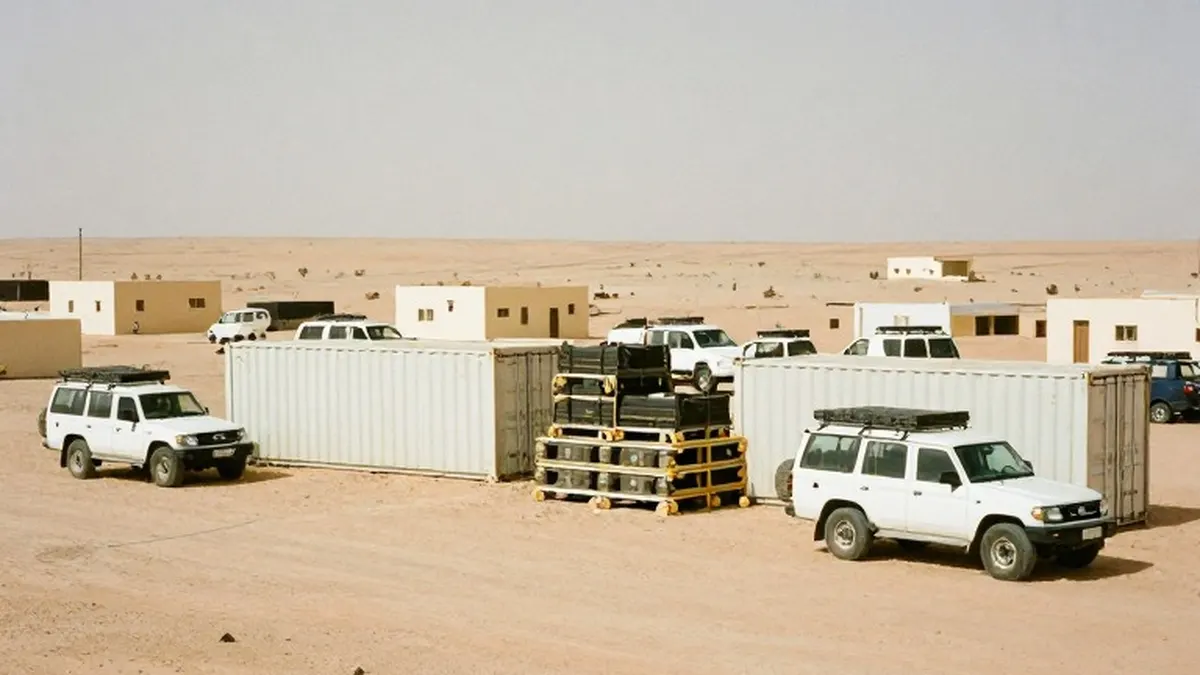
Guterres confirmed that the mission had ended after the UN Security Council failed to renew its mandate on Friday. He called on all parties to show maximum restraint and avoid steps that could heighten tensions or threaten regional stability. November 1 also marked the beginning of the mission’s liquidation phase, involving the return of assets to countries that had contributed troops.
The UN created the Mission for the Referendum in Western Sahara, known as MINURSO, in 1991 to oversee a ceasefire and prepare a vote on the territory’s future. Morocco has regarded Western Sahara as its own territory since Spain withdrew in 1975. The desert region in northwest Africa is approximately the size of Britain. The Algeria-backed Polisario Front, acting on behalf of the Indigenous Sahrawi people, seeks an independent state called the Sahrawi Republic.
The Security Council’s failure to agree followed a US proposal that would have renewed the mission for another year while changing its name to remove the word “referendum”. The draft supported the principle of self-determination but would have made Morocco’s autonomy proposal the sole basis for further negotiations. Eleven of the council’s 15 members supported it, including permanent members France and the United Kingdom, but Russia blocked it with a veto.
A competing resolution put forward by Russia was subsequently defeated, leaving the mission without a renewed mandate. Despite the conclusion of peacekeeping operations, Guterres said on Sunday that the UN remained prepared to help advance dialogue and efforts towards a peaceful settlement.
Reactions to the mission’s expiry differed sharply. Morocco’s royal palace described it as a significant step towards removing Western Sahara from the Security Council’s consideration. Algeria’s Foreign Ministry expressed “deep regret” on Saturday and accused Washington of excessive bias towards Morocco. The Polisario Front also voiced concern about the council’s deadlock.
After Friday’s vote, US Ambassador to the UN Mike Waltz criticised the use of the veto to retain the reference to a referendum in the mission’s name. He argued that Washington’s proposal could have advanced efforts to resolve the 50-year conflict and said the existing situation was unacceptable.
Russia’s UN ambassador, Vassily Nebenzia, told the same meeting that Moscow rejected the US draft because it favoured one side. He said the Security Council could not automatically determine questions of sovereignty in advance.