The struggle to modernize electricity networks is taking a prominent place at U.N. climate talks opening this week in Antalya, Turkey, as aging infrastructure limits the shift from fossil fuels to renewable power. Turkey and Australia, the talks' co-hosts, want more ambitious commitments to reduce fossil fuel use, expand renewables and improve the grids needed to deliver their electricity.
The issue has become more urgent as countries seek greater energy security following the Iran war. Yet upgrading outdated networks requires billions of dollars, and those costs could slow further renewable energy development. In September, the United Nations launched its Global Grids Accelerator during the General Assembly to help speed international financing for electricity infrastructure in Africa and Southeast Asia. Selwin Hart, the U.N. secretary-general's special adviser on climate action, said investment must expand substantially to meet climate, energy and development goals.
Spending on grids has fallen behind investment in electricity production. According to the International Energy Agency, annual spending on generation has climbed almost 70% since 2015 to $1 trillion, while grid investment has grown at less than half that rate. The agency estimates that meeting electricity demand through 2030 will require annual grid spending to rise about 50% above its current $400 billion level. Delays would extend dependence on fossil fuels and substantially increase global emissions, it warns.
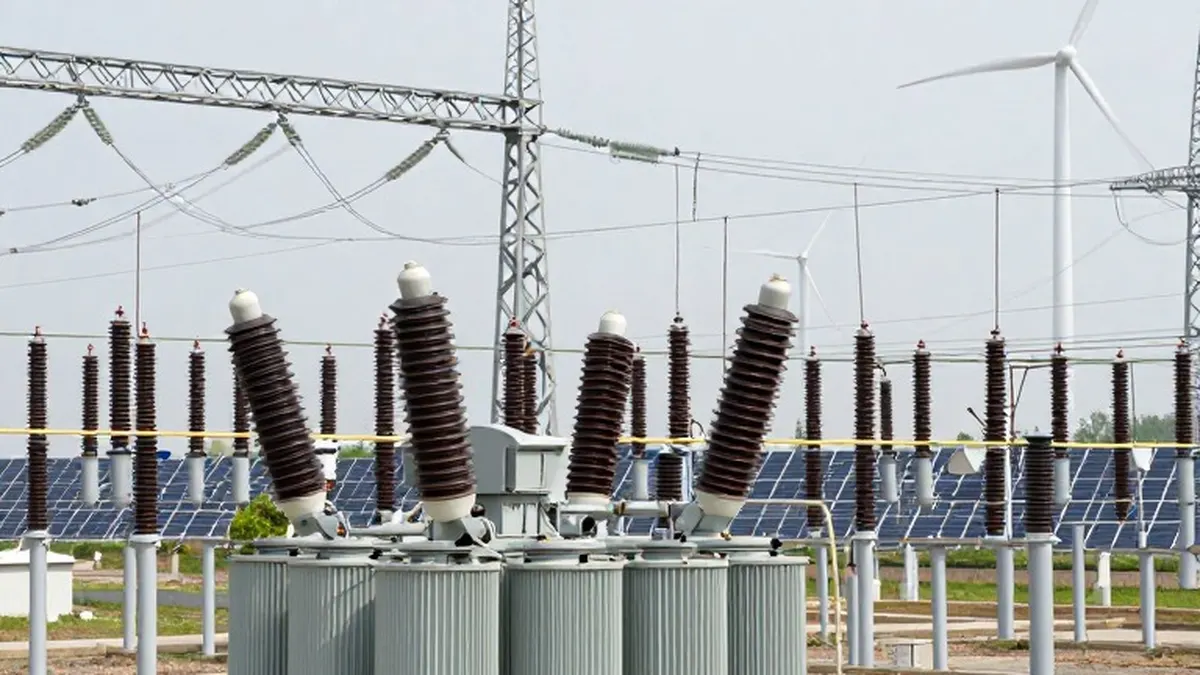
Many existing networks were built to move electricity in one direction, from large power stations to consumers through transmission lines, substations, transformers and distribution lines. Rising demand and expanding renewable generation are putting those systems under pressure. Oxford University energy and climate policy professor Jan Rosenow said insufficient preparation had turned grids into a major obstacle to renewable electricity growth.
When networks reach their operating limits, wind and solar farms can be told to reduce production, a practice called curtailment. China curtailed 360 terawatt-hours of wind and solar electricity in the first half of 2026, according to Global Energy Monitor and the Center for Research on Energy and Clean Air. That amount was close to the United Kingdom's annual electricity demand. In India, inadequate transmission and storage capacity led to 11 terawatt-hours of curtailed solar generation over 15 months spanning 2025 and 2026, enough to supply about 10 million homes, according to Ember.
James Abraham of the New Delhi-based Council on Energy, Environment and Water said restricting renewable generation while continuing to supply fossil fuel electricity undermines climate efforts, particularly in major emitting countries such as China and India. More flexible networks could help by moving surplus renewable electricity to areas with greater demand and fewer resources. They could also make exchanges between utilities and households with solar panels or batteries easier, although many countries cannot afford improvements quickly enough.
Gahee Han of the Seoul-based nonprofit Solutions for Our Climate said the energy shock from the Iran war had strengthened momentum for the transition, particularly in Southeast Asia. But renewable investment is advancing faster than grid development. Without network upgrades, she said, Asian countries would remain dependent on conventional gas and coal plants.
The Association of Southeast Asian Nations is promoting an interconnected regional grid to make electricity trading easier and provide protection against future shocks. The proposal remains at an early stage, but interest is increasing, according to ASEAN Center for Energy executive director Abdul Razib Dawood. He said the crisis offered countries an opportunity to strengthen cooperation with their neighbors.