Virginia and the District of Columbia filed suit on Saturday, Oct. 31, seeking to stop construction of President Donald Trump's proposed triumphal arch. The challenge comes as work on the project could begin as early as the following week, according to allegations in the lawsuit.
The 45-page filing was submitted to the United States District Court for the District of Columbia. Virginia Attorney General Jay Jones and District of Columbia Attorney General Brian Schwalb described the project as "flagrantly unlawful." Their lawsuit is the latest legal effort to prevent construction of the arch, plans for which the Trump administration first presented in October 2025.
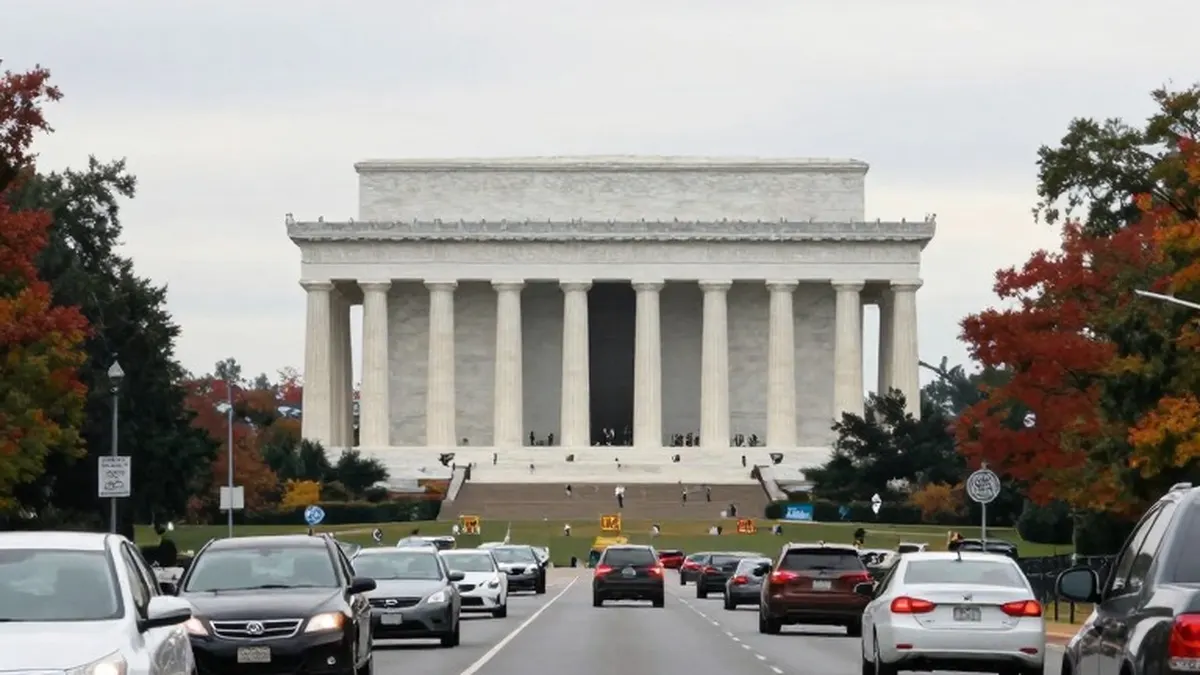
The proposed structure would rise 250 feet at a location between Arlington National Cemetery and the Lincoln Memorial. At that height, it would be twice as tall as the memorial to the country's 16th president. The lawsuit seeks to block construction before the project moves forward.
Jones and Schwalb allege that building the arch would cause lasting harm to both jurisdictions, including disruption to traffic traveling between Virginia and the District. They argue that the effects would force both governments to act immediately and spend money assessing the problems, responding to them and limiting their impact.
Those expenses would be substantial and could not be recovered, the attorneys general contend. They also accuse the defendants of failing to account for those costs or adequately consult either jurisdiction. In their filing, they characterize the approval process and preparations for construction as rushed, with the outcome determined in advance.
Trump has defended the arch proposal in the past, describing it as a "military complex" that would house weapons and snipers. However, the latest version of the plans contains no military components. Those plans are due to be reviewed by the National Capital Planning Commission.
NPR sought responses to the lawsuit from the White House and the Interior Department on Saturday. Neither had provided a comment by the time of the source report.
U.S. District Court Judge Tanya Chutkin directed the parties to confer about the request for a temporary restraining order. She ordered them to agree by Saturday evening on a proposed schedule for briefing that motion.