This week, voters across the nation signaled a strong desire for stricter regulations on artificial intelligence infrastructure. In a decisive move, 40 out of 41 proposed ballot measures passed, aiming to impose restrictions on the more than 2,000 new data center facilities currently planned for communities nationwide. The primary concerns driving this shift are the significant demands these facilities place on local water and power resources.
Despite the widespread concern, determining the exact resource footprint of individual data centers remains a difficult task. Operators typically report water usage figures on a company-wide basis rather than providing site-by-site breakdowns. Shaolei Ren, a data center researcher at the University of California, Riverside, notes that giant one-gigawatt AI data centers from major tech firms can consume up to 10 million gallons of water per day, though this number varies significantly based on hardware, location, and cooling methods.
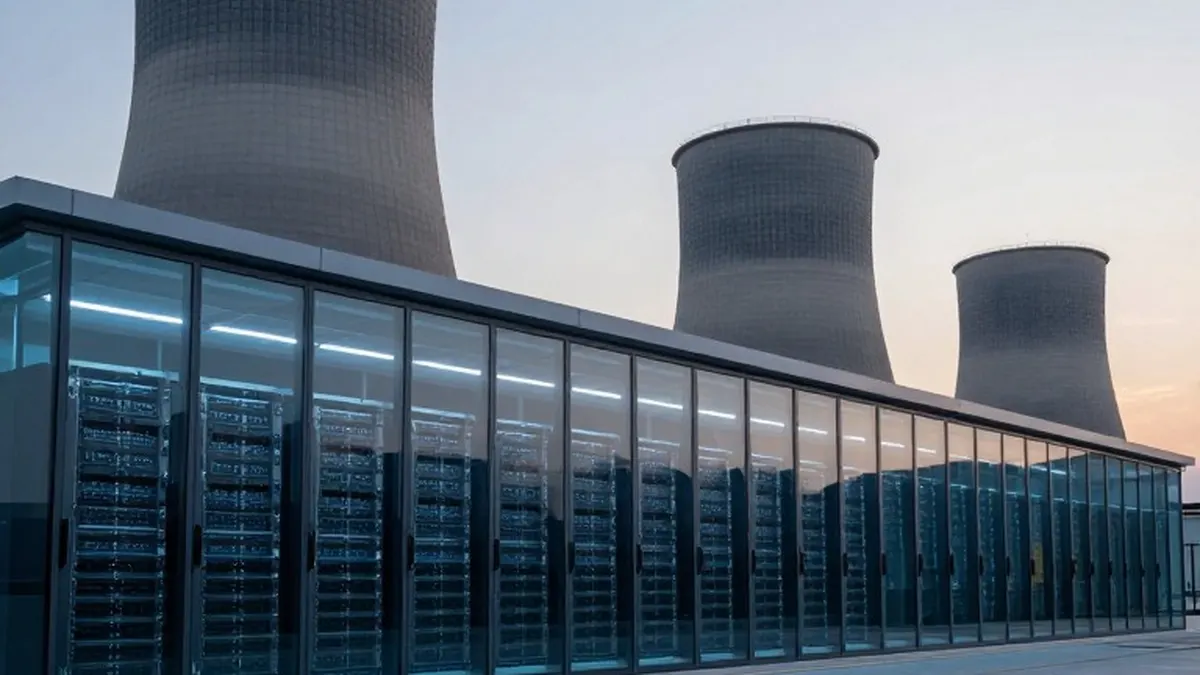
The cooling requirements for modern AI infrastructure differ vastly from legacy systems. Older data centers, which handle networking or storage with lower-power servers, often rely on air cooling using large fans. In contrast, modern AI centers are packed with dense graphics processing units that generate intense heat. Christopher Wellise, head of sustainability at Equinix, explained that these GPUs run at such high temperatures that they could essentially boil eggs, making air cooling insufficient without hurricane-force winds.
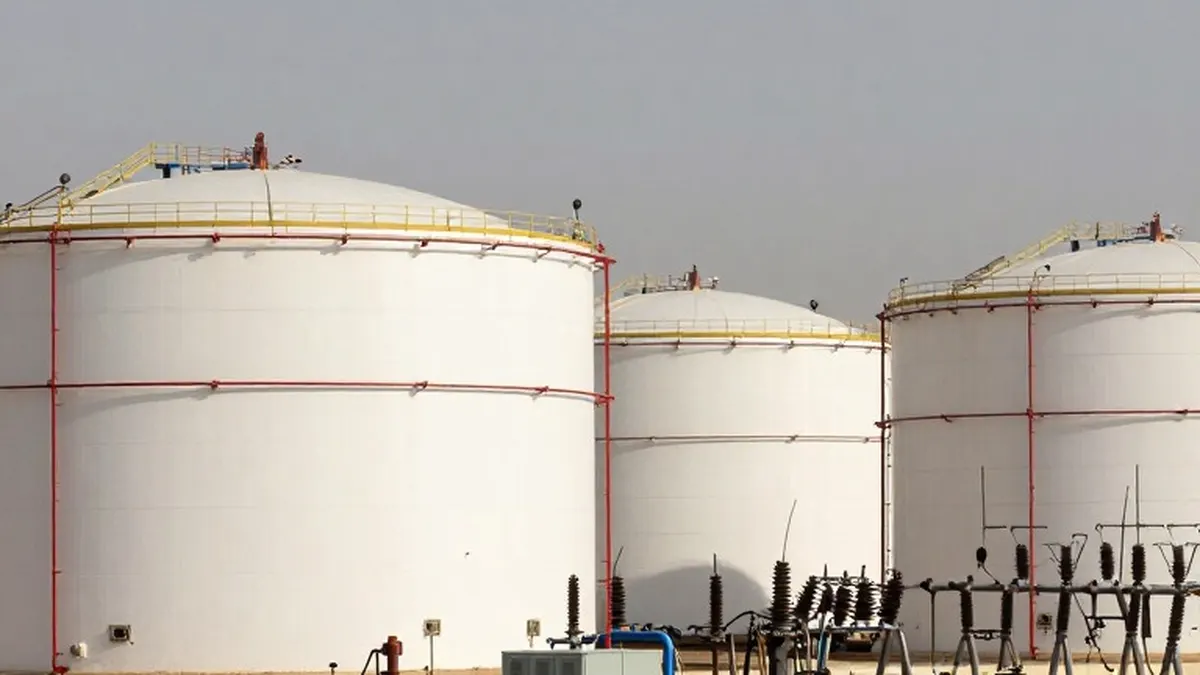
To manage this heat, liquid cooling is approximately 3,000 times more efficient than air, according to Wellise. Most large AI data centers, including those utilizing Nvidia and AMD systems, employ closed-loop liquid cooling systems. These internal systems use very little water on a daily basis. However, the total water consumption is heavily dependent on the external process used to reject that heat from the closed loop into the ambient environment.
Meta provides a clear example of this dynamic with its planned one-gigawatt facility in Lebanon, Indiana. The company states that its closed-loop system will recirculate the same water and use zero water for most of the year. However, water allocation for the site could reach eight million gallons per day by 2031 during peak usage on the hottest days. Meta told CNBC that it anticipates reaching this maximum level only a few days per year.
Operators must choose between dry cooling and evaporative cooling for this external heat rejection. Dry cooling uses fans and refrigeration units, which are less effective in high temperatures and require significantly more power. This high energy demand contributes to summer power shortages. Evaporative cooling, on the other hand, uses little power but consumes large amounts of water through evaporation in cooling towers or wet pads.
Many facilities adopt hybrid methods to balance these trade-offs. Equinix, for instance, uses dry cooling in colder months and switches to evaporative cooling when it is hot. Meta in Indiana uses dry cooling but employs misting to cool the air, reducing the need for power-intensive refrigeration. Wellise noted that there is no single perfect solution, as heat must eventually be ejected into the atmosphere, creating inherent resource trade-offs.
To mitigate these impacts, tech companies are investing in local water treatment and recycling infrastructure. Meta spent $100 million on a new water system near its Idaho facility, while Elon Musk pledged $80 million for a recycling plant near Memphis to support SpaceX’s Colossus data centers. Although Colossus 1 came online in 2024, construction on the water treatment plant was paused in April of this year. The facility has a water allocation of up to 1.28 million gallons per day, a threshold it has not yet reached.
Beyond cooling systems, chip manufacturers are working to reduce heat generation at the source. South Korean startup DeepX claims its AI processor runs up to 100 degrees Fahrenheit cooler than competitors, and it is set to be used in Hyundai Motor robotics. SK Hynix is also developing low-heat memory technology that can reduce thermal resistance by 30%. As communities increasingly question resource consumption, operators like Equinix are conducting water risk analyses for every new site to determine the most sustainable cooling approach.