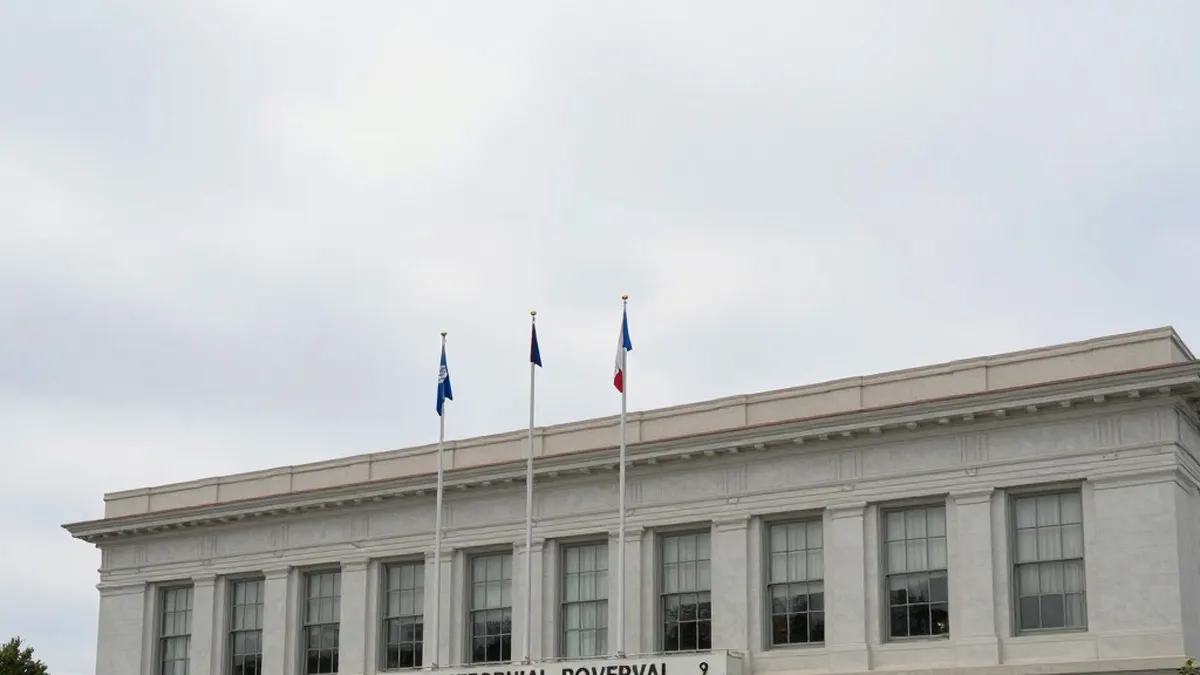
Voters across the United States cast their ballots on Tuesday, November 3, 2026, for federal, state, and local offices. The process involved a combination of in-person voting at polling places and the submission of mail ballots. These logistical elements played a significant role in the final outcome of the midterm elections. The election resulted in a major shift in congressional control, with Democrats winning majorities in both the U.S. House and the Senate.
Polling places opened at various times throughout the day depending on the state. While specific hours varied by jurisdiction, most locations remained open until a set evening hour to allow for maximum voter participation. The U.S. Election Assistance Commission maintains a central resource at vote.gov to help citizens find their polling location and understand their state's specific requirements. This website serves as a neutral guide for voters navigating the complexities of local election rules.
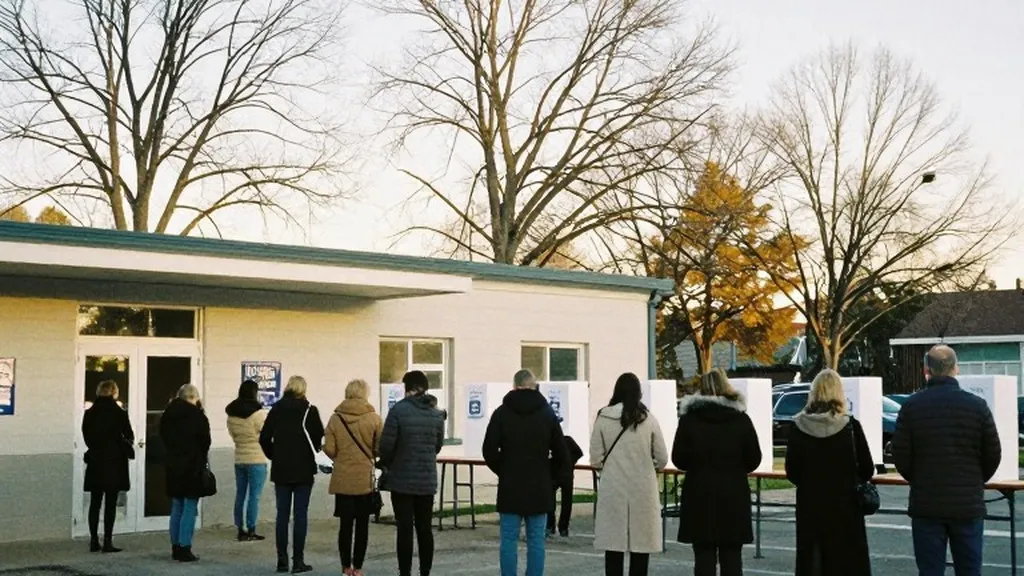
Long lines were a common sight at many polling places across the country. Voters waited in designated areas to cast their ballots, with some lines extending outside the polling station when indoor space was limited. Election officials worked to manage the flow of voters, ensuring that those who arrived within the closing time were allowed to complete the voting process. The experience of waiting in line became a shared ritual for millions of Americans on election day.
Identification rules varied significantly by state, affecting how voters proved their identity at the polls. Some states required a photo ID, while others accepted non-photo identification or allowed voters to sign an affidavit. These differences in ID rules meant that voters had to prepare their documents in advance. The variation in requirements highlighted the decentralized nature of the American electoral system, where state governments hold primary responsibility for administering elections.
Mail ballots represented a substantial portion of the total votes cast in the 2026 midterm elections. Many states allowed voters to submit their ballots by mail, providing an alternative to in-person voting. The handling and processing of these mail ballots were critical to the final count. Election officials in various jurisdictions worked to ensure that all eligible mail ballots received were counted in a timely manner, following strict guidelines for postmark dates and receipt deadlines.
The United States Postal Service played a key role in the distribution and collection of mail ballots. The agency worked to ensure that ballots sent to voters arrived before the deadline and that returned ballots were delivered to election officials in a timely fashion. This logistical operation required coordination between the Postal Service and state election offices. The efficient movement of mail ballots was essential for ensuring that every eligible vote was counted in the final tally.
Democrats secured at least 43 House seats, including 42 previously held by Republicans and one previously held by an independent. This gain gave them a majority in the House of Representatives. In the Senate, Democrats picked up seven seats, all of which were previously held by Republicans. These gains resulted in a 54-44 majority for Democrats in the Senate. The net loss of seven Senate seats for Republicans marked a significant swing in power, placing this election in the top 20% of election years in terms of seat swings against the president's party.
The House majority for Democrats stood at at least 250-157, although uncalled races could potentially alter this total. This outcome means that Democrats will control the legislative agenda in both chambers of Congress. The shift in control allows for new opportunities for oversight and legislation, particularly in areas such as education and government spending. The new majority will face challenges in implementing their policy goals, including potential vetoes from the executive branch.
State-level results also reflected a significant change in political control. Democrats won a majority of governorships for the first time since before the 2010 elections. They also secured a plurality of state government trifectas and state legislative chambers. This broad-based victory in state offices indicates a widespread shift in voter preference across the country. The results suggest that voters were focused on issues related to the cost of living, healthcare, and government performance.
The practical aspects of voting, from poll hours to mail ballot processing, facilitated the high turnout that contributed to these results. The combination of in-person and mail voting options provided flexibility for voters, allowing them to participate in the election in the manner that best suited their schedules and circumstances. The successful administration of the election by state and local officials ensured that the will of the people was accurately counted and reflected in the final results.
Looking ahead, the new Democratic majority in Congress will begin its work as the new session approaches. The party will need to coordinate its legislative priorities and manage the transition of power. The results of the 2026 midterm elections signal a clear mandate for change, with voters expressing their preferences through the practical act of casting their ballots. The election process, with its various logistical components, served as the foundation for this significant shift in American politics.