Independent news for the whole country highlights the practical mechanics that defined the 2026 midterm elections. With the results now showing Democrats winning at least a 250-157 majority in the House and a 54-44 majority in the Senate, the focus shifts to how voters navigated the complex landscape of poll hours, identification requirements, and mail ballot deadlines. These logistical factors played a significant role in the turnout that led to a historic shift in power for both federal and state legislatures.
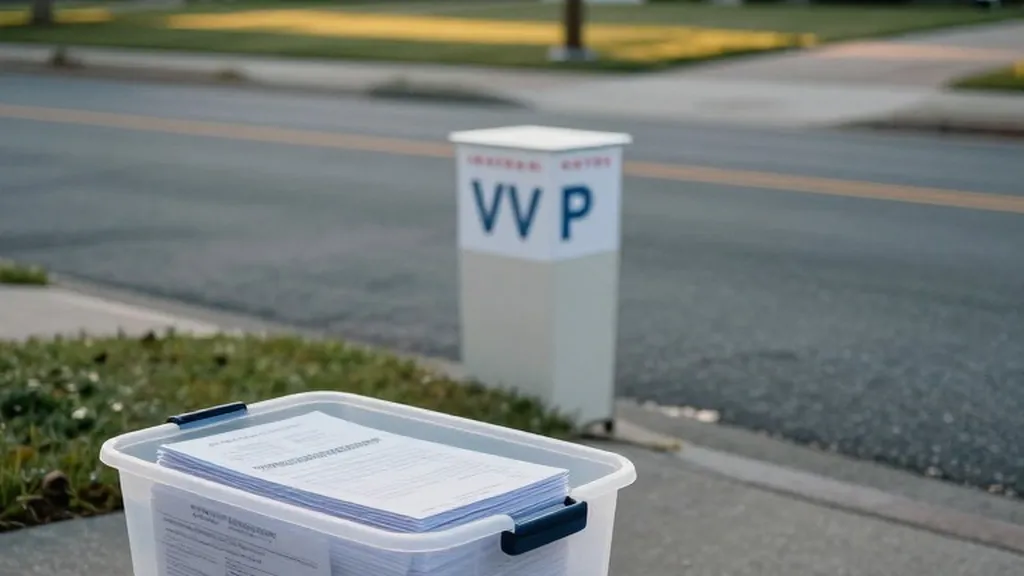
The United States Postal Service played a central role in the election's integrity. In states like California, where most residents vote by mail, the rules are specific. A ballot postmarked by Election Day, Tuesday, November 3, 2026, must arrive within one week to be counted. This rule often means that close races take days or even weeks to settle. The Associated Press determined on Monday that the 'no' side had won Proposition 40 in California, a decision that relied heavily on the timely processing of these mail-in ballots by the Postal Service and local election officials.
Voters across the nation had to navigate varying rules regarding identification. While some states require specific forms of ID to cast a ballot at a polling place, others do not. The practical guide for many voters involved checking local regulations well in advance. This was particularly important for first-time voters and those moving from states with different requirements. The clarity of these rules helps ensure that the democratic process remains accessible to all citizens, regardless of their party affiliation.
The use of vote.gov and similar resources became a standard part of the pre-election routine for many Americans. These tools helped voters determine their polling locations and understand the specific hours for their precincts. Poll hours varied by state, with some locations opening as early as 6 a.m. and closing as late as 9 p.m. or 10 p.m. Local election boards emphasized the importance of arriving early to avoid long lines, a common occurrence in high-turnout years like 2026.
Staying in line was a significant part of the Election Day experience for many voters. Lines at polling places reflected the high engagement seen in this midterm cycle. Voters waited patiently, often for extended periods, to cast their ballots. This physical act of waiting became a symbol of civic duty and determination. The orderly nature of the lines in many precincts demonstrated a strong commitment to the democratic process, even in the face of historical losses for the Republican party in the Senate and House.
The results show that Democrats won a plurality of state government trifectas and a majority of governorships for the first time since before the 2010 elections. This shift underscores the importance of voter participation at the state level. In 44 of the 46 states where at least one trifecta office was on the ballot, the status had been decided by 4 p.m. EST on November 6. The breakdown included 20 Democratic trifectas, 16 Republican trifectas, and 8 divided governments, with two states remaining undecided.
Republican leaders are now preparing for their new role in the minority. Rep. Jim Jordan of Ohio won the race to serve as House Republican leader, defeating Rep. Steve Scalise of Louisiana in a secret ballot election. The vote was 106-73. Jordan, who serves as chairman of the House Judiciary Committee, emphasized his experience in committee rooms. His victory marks a new chapter for the Republican conference, which is now historically small in the House.
In the Senate, Republicans were meeting to decide whether to keep South Dakota Sen. John Thune as their leader. Thune is expected to be reelected, given his popularity with GOP colleagues. However, some senators, including Wisconsin's Ron Johnson, argued for a delay to allow for more soul-searching after the steep losses. The Senate met at 12 p.m. EST to discuss the party's future, reflecting the broader mood of assessment and planning among Republican lawmakers.
The practical aspects of voting, from mail deadlines to ID rules, ultimately shaped the outcome of the 2026 midterms. The efficiency of the Postal Service in handling mail ballots and the clarity of state-specific poll hours ensured that millions of votes were counted. As the new Congress assembles, the focus will shift to policy and oversight, but the foundation of this shift was built on the successful execution of Election Day logistics.
Voters who used mail ballots in states with strict postmark deadlines contributed to the final tallies that determined the new majority. The one-week window for mail ballots to arrive after Election Day was a critical factor in states with close margins. The successful processing of these ballots highlights the importance of understanding and following the specific rules of one's state. As the country moves forward, the lessons learned from this election's logistical challenges will inform future voter education efforts.
The 2026 midterm elections demonstrated that practical knowledge of voting procedures is as important as political awareness. Whether voting by mail or in person, voters had to navigate a system designed to balance security and accessibility. The results reflect the choices made by millions of Americans who engaged with these systems. The new leadership in Congress will now work to implement their agendas, building on the mandate given by the electorate through these practical voting processes.