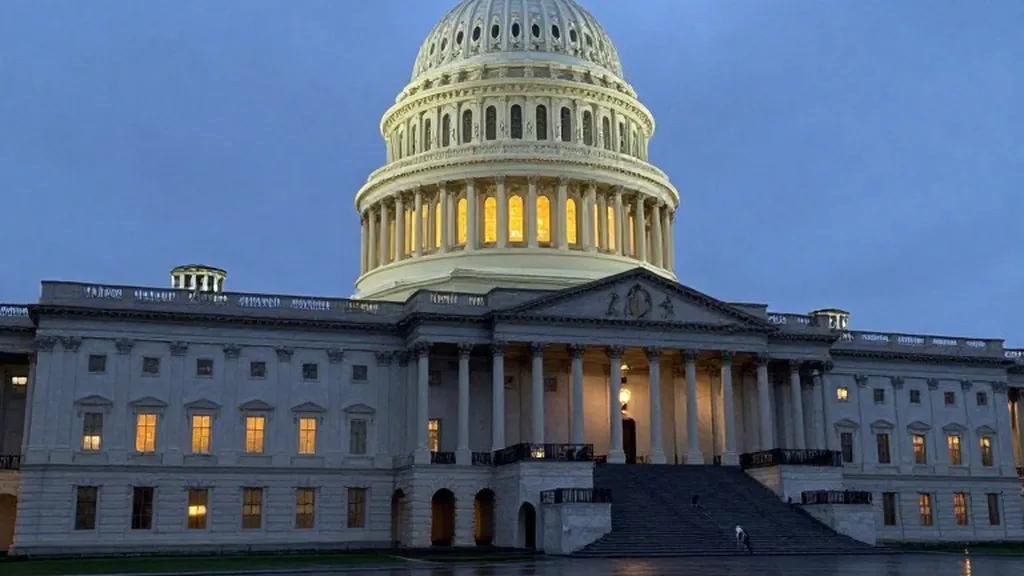
Global financial markets are closely tracking the immediate policy implications of the 2026 midterm election results, where Democrats secured majorities in both the U.S. House and Senate. The party gained at least 43 House seats and seven Senate seats, establishing a 250-157 majority in the lower chamber and a 54-44 majority in the upper chamber. This significant shift in power has prompted Wall Street to reassess expectations for fiscal policy, trade negotiations, and the role of government in the rapidly growing artificial intelligence sector. Analysts note that the new Democratic leadership will hold the legislative keys to several contentious economic issues that have hovered over markets throughout the year.
One of the primary concerns for investors is the handling of the national debt ceiling. With the new majority now in place, the process for raising or suspending the borrowing limit will be conducted under different leadership dynamics. The previous administration’s approach to debt disputes has often created uncertainty in bond markets. The incoming Democratic leadership, including Senate leader John Thune who was reelected despite the party’s losses, and House minority leader Jim Jordan, will play crucial roles in the initial negotiations. However, the ultimate power to set the fiscal agenda now rests with the new Democratic majority, which has signaled a desire for vigorous debate on the party's direction and future priorities.
The debate over artificial intelligence spending is also at the forefront of market analysis. The new Congress is expected to scrutinize the massive capital expenditures being made by technology firms to build out AI infrastructure. Lawmakers from both parties have expressed interest in ensuring that these investments yield public benefits and that regulatory frameworks keep pace with technological advancement. The progressive wing of the Democratic party, which gained significant strength in the midterms, has pushed for a full plan regarding the priorities for the new majority. This suggests that future legislation may involve more detailed oversight of how AI is integrated into the economy, potentially affecting stock valuations in the tech sector.
Trade policy remains another critical area of focus. The new Democratic majority will have the power to shape tariff structures and international trade agreements. In the coming weeks, congressional committees are expected to review existing trade deals and consider new measures to address trade imbalances with key allies. The reelected Republican Senate leadership has indicated a willingness to work collaboratively on certain issues, as seen in the bipartisan passage of an energy permitting bill. However, the broader trade agenda will likely face more intense scrutiny, with Democrats potentially seeking to adjust terms that favor domestic manufacturing and workers.
Internationally, allies of the United States are watching the election results with a mix of relief and caution. The clear mandate for the Democratic party provides a degree of stability for foreign partners who rely on consistent U.S. policy. However, the significant shifts in state governments, where Democrats won a majority of governorships for the first time since before 2010, add another layer of complexity. State leaders will now be working within a federal framework that has shifted ideologically, which could impact state-level economic policies and federal funding streams. The new trifectas in 20 states mean that state governments will be aligned with the federal party, creating a more unified approach to domestic and foreign economic matters.
The internal dynamics of the new Congress will also influence market confidence. In the Senate, a confrontation has emerged over leadership, with Senator Bernie Sanders announcing he will not support Senator Chuck Schumer for re-election as majority leader. This has led to calls for a new generation of leadership and a vigorous debate about the party's direction. Senator Elissa Slotkin of Michigan has stated that she wants to see potential leaders present a full plan about their priorities. This internal debate may slow the legislative pace in the short term, as the party works to unify its messaging and strategy. Investors typically prefer clarity and consistency, so the resolution of this leadership question will be a key indicator for market stability.
In the House, the election of Jim Jordan as the Republican minority leader signals a combative approach to oversight. Jordan, a co-founder of the House Freedom Caucus, has warned of coming efforts by Democrats to investigate the Trump administration. He emphasized that the Republican job cannot be merely to spotlight how radical the new Democratic Party is, but to engage in offense rather than defense. This posture suggests that the next two years will be marked by intense legislative battles, which could lead to policy volatility. The small size of the Republican conference, having lost at least 42 seats, means that every vote will be critical, and the minority will likely focus on targeted investigations and amendments to Democratic bills.
The economic implications of the election extend to state-level policies as well. With Democrats winning 22 of 36 gubernatorial races and controlling a majority of state legislative chambers, state budgets and spending priorities will shift. This could affect infrastructure projects, education funding, and healthcare initiatives that are often tied to federal grants. The alignment of state and federal governments under Democratic control may accelerate the implementation of progressive economic policies, such as increased investment in renewable energy and technology. However, it may also lead to higher state taxes in some areas, which could impact consumer spending and business investment.
The debt ceiling issue is likely to be one of the first major tests for the new Congress. The timing of the next deadline will require bipartisan cooperation, as both parties have a stake in maintaining the creditworthiness of the United States. The new leadership on both sides will need to negotiate a deal that satisfies their respective bases while avoiding a default that could disrupt global markets. The fact that the energy permitting bill passed on a bipartisan vote earlier in the week offers a small sign of hope for future cooperation, but the larger fiscal issues will require more extensive negotiations.