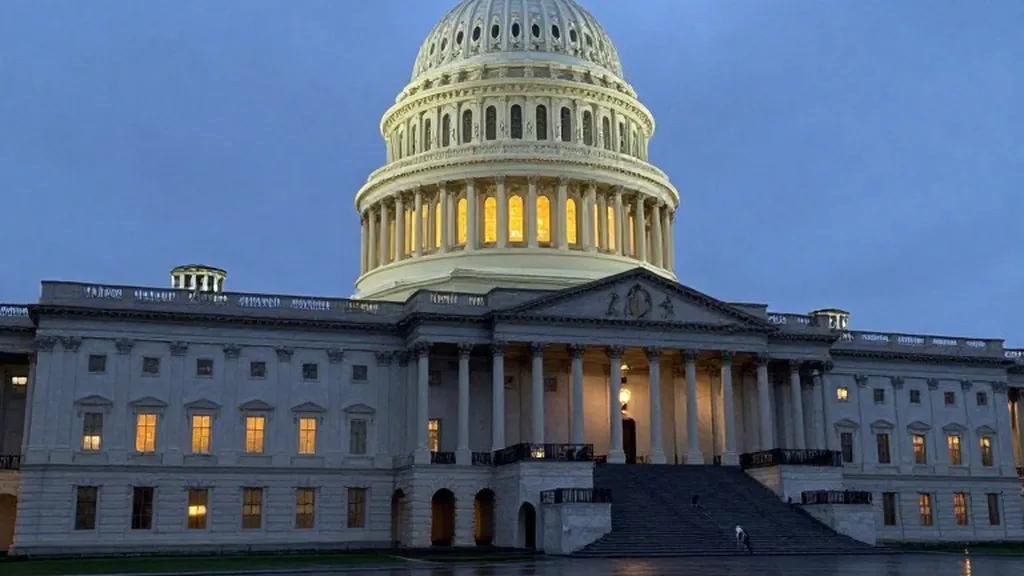
Washington is entering a period of divided government following the midterm elections, a result that fundamentally alters the legislative landscape for the final two years of President Donald Trump's term. Democrats secured control of the House of Representatives, while Republicans retained the Senate majority despite losing seats. This shift places the power of oversight and investigations primarily in Democratic hands, while Republican leadership in the Senate focuses on maintaining procedural control and confirming presidential nominees before the new Congress convenes in January.
In the House, the immediate focus is on selecting a new minority leader to guide the Republican conference through its first term in the minority since the last decade. The race is between two prominent figures, House Majority Leader Steve Scalise of Louisiana and Judiciary Committee Chairman Jim Jordan of Ohio. Both candidates have deep experience in the chamber, having previously run for the speakership. The outcome of this internal contest will determine how the Republican Party approaches its new role as the opposition, balancing the need for aggressive oversight against the goal of rebuilding their electoral base for the 2028 presidential cycle.
Jim Jordan has positioned himself as the candidate for aggressive oversight, arguing that the Republican Party must focus on offense rather than defense. He highlighted his experience leading the Judiciary Committee, noting that he is well-versed in the investigative tactics that Democrats are expected to employ. Jordan stated that the party’s job cannot be merely to spotlight the actions of the new Democratic majority, but to actively challenge them. He described himself as battle-tested on the oversight front, suggesting that his experience in committee hearings will be a critical asset in the coming years.
Steve Scalise, on the other hand, emphasized his track record of delivering legislative victories and his fundraising capabilities. He cited his role in helping pass the recent tax and spending cut bill and noted that his fundraising operation raised nearly sixty-eight million dollars for the midterm cycle. Scalise argued that resources are critical for winning back the majority in competitive districts. He positioned his experience as a stabilizing force, suggesting that his familiarity with the legislative process would allow the party to manage its minority status effectively while preparing for a return to power.
The choice of House leadership will also influence how Republicans respond to the potential impeachment of Defense Secretary Pete Hegseth. A resolution filed by outgoing Representative Thomas Massie of Kentucky targets Hegseth over his handling of military operations in Iran and other actions. Hegseth defended himself during a news conference, arguing that the effort was driven by policy disagreements rather than high crimes and offenses. He noted that no Secretary of Defense had ever been impeached for carrying out lawful military operations, framing the move as an indictment of the nation’s service members. This issue will be a central point of contention as the new House leadership takes shape.
In the Senate, Republican leaders are engaged in a conversation about their future direction following their losses. South Dakota Senator John Thune is expected to be reelected as leader, though some colleagues have called for a period of soul-searching before the party continues as usual. Senator Ron Johnson of Wisconsin circulated a letter asking for a delay in the leadership elections, arguing that the defeat demands change. He noted that the party needs to have a frank conversation about where they went wrong, particularly regarding the focus of the previous Congress on tax cuts and spending reductions.
Despite the calls for delay, the Republican leadership has proceeded with the election, with Thune emphasizing the need for a robust conversation about the party’s path forward. He highlighted his collaborative approach and his ability to navigate relationships with both the rank and file and the President. Thune has maintained close ties with colleagues, a style that distinguishes him from his predecessor. The Senate’s retention of its majority allows Republicans to continue managing the confirmation of Trump’s nominees, a process that will be a priority before the new Congress begins.
The divided government also sets the stage for significant oversight investigations in the House. With Democrats in control, the committee chairs will likely prioritize inquiries into the Trump administration’s actions, including the war in Iran and domestic policy issues. This shift in power dynamics means that the executive branch will face more frequent scrutiny, with the House able to compel testimony and documents in ways that the Senate cannot as easily do. The new House leadership will need to balance these investigative efforts with the broader goal of rebuilding the Republican brand for the 2028 elections.
President Trump has reacted to the results by acknowledging the tough night for his party while maintaining confidence in his key allies. He praised Senate Leader Thune and backed Defense Secretary Hegseth against the impeachment threat. The President’s comments suggest that the administration expects to continue its policy agenda, relying on the Senate’s Republican majority to protect its nominees and legislation. However, the new House control means that any major legislative initiatives will require bipartisan cooperation, a dynamic that the new Republican House leadership must navigate carefully.
The final two years of the administration will be defined by these structural realities. The House will likely focus on oversight and setting the stage for 2028, while the Senate will focus on governance and confirmation. The leadership races in both chambers are not just internal matters but will shape the tone of the entire legislative process. As the new Congress prepares to convene, the interplay between the two parties will determine the pace and direction of national policy in the final stretch of the current term.