Orly Babitsky, who heads the climate resilience division at the Israeli environmental advocacy group Adam Teva V’Din, has issued a stark warning regarding the nation's preparedness for future floods. Speaking on 103FM on November 9, 2026, Babitsky asserted that the national Water Authority currently lacks a comprehensive plan to address rising flood risks. Her criticism centers on a significant gap between intended investments and actual spending over the last ten years. Babitsky noted that while the state intended to invest approximately NIS 7 billion in flood mitigation efforts, only NIS 1.5 billion was actually deployed. This substantial shortfall, she argued, has created a state of serious disarray in how flood management is organized and funded.
The core of the issue, according to Babitsky, is a persistent lack of clarity regarding responsibility. She highlighted that many questions remain unresolved about which specific national or local authorities are tasked with spending the money and managing infrastructure. This ambiguity extends to both the national level and local government bodies, leaving stakeholders uncertain about their roles in preventing disaster. The result is a fragmented approach to a problem that requires coordinated action across various administrative levels.
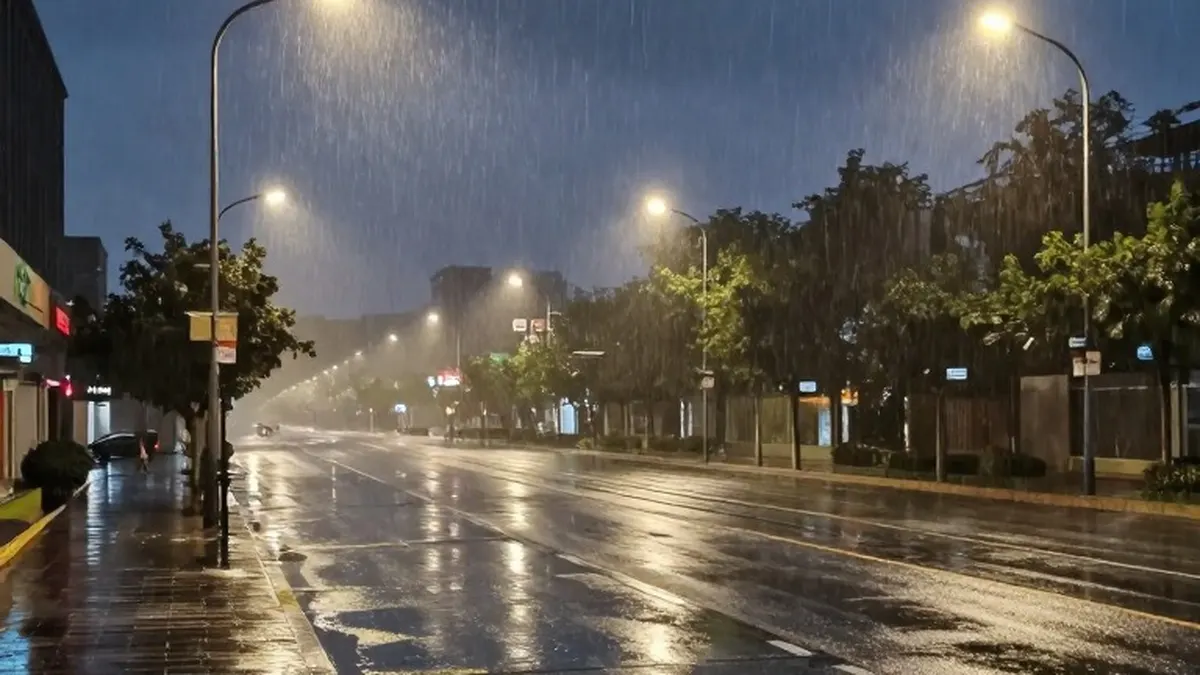
Babitsky emphasized that changing weather patterns are making this lack of preparation increasingly dangerous. She observed that rainfall events are becoming much more intense and severe, with large volumes of water falling within very short periods. While local governments cannot alter these meteorological trends, Babitsky argued they have a duty to prepare for them. She referenced the recent commentary by the state comptroller, who had similarly stressed the urgency for local authorities to take proactive steps to protect their communities from these intensifying weather events.
To tackle the problem effectively, Babitsky proposed a multi-faceted strategy involving coordination among all parties responsible for different aspects of flood management. She suggested that a combination of measures could lead to a more robust drainage system. One specific solution she outlined involves designating certain areas that are safe to flood during extreme weather events. By allowing water to accumulate in these designated zones, authorities can prevent damage to property and people. Once the weather event passes, the water can naturally seep into the ground, replenishing aquifers that will be crucial during the hotter months later in the year.
Maintaining and expanding local drainage infrastructure is another critical component of the proposed strategy. Babitsky pointed out that much of the existing infrastructure was designed based on historical weather data that no longer reflects current conditions. She described the old designs as being tailored for weather events that are already disappearing. Therefore, local authorities must either maintain their aging systems or expand them to handle the volume of water associated with modern climate patterns.
A major point of contention for Babitsky is the recent release of the national flood risk management plan. She noted that this plan was finally published in October 2026, ending a wait of more than six years. While she acknowledged that the plan is comprehensive and assigns specific responsibilities to various individuals, she criticized the fact that it was released without a dedicated budget. The scale of the required investment is described as very large, involving billions of shekels, significantly more than the NIS 1.5 billion previously spent.
Babitsky expressed strong frustration with the funding structure of the new plan. She stressed that the document itself states that dedicated funding sources will be developed in the future. To her, this approach is inadequate and almost humorous, given the magnitude of the task. She questioned how a major national plan can be launched without a specific budget allocation from the Treasury, leaving the implementation of vital safety measures in financial limbo.